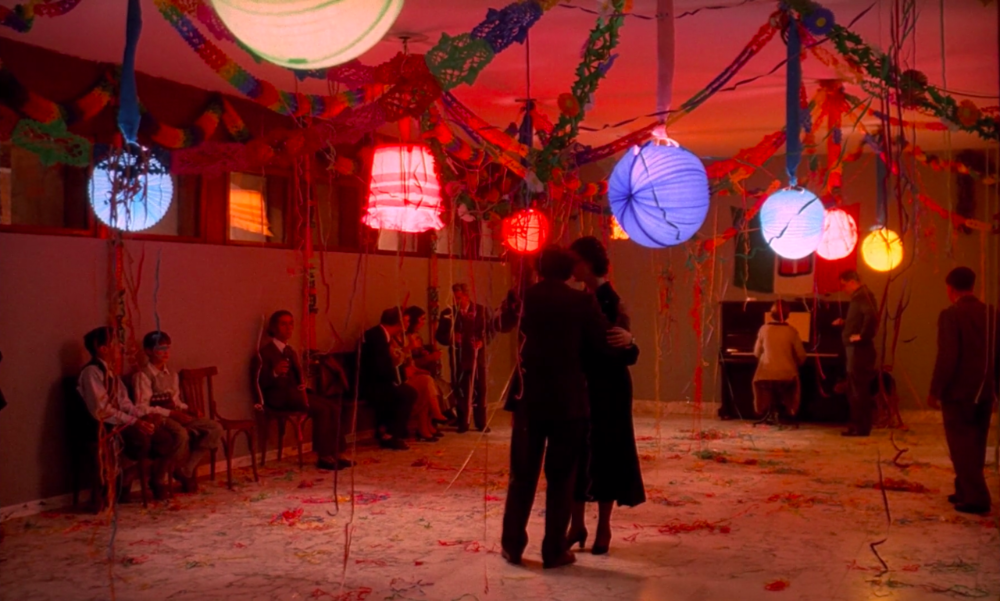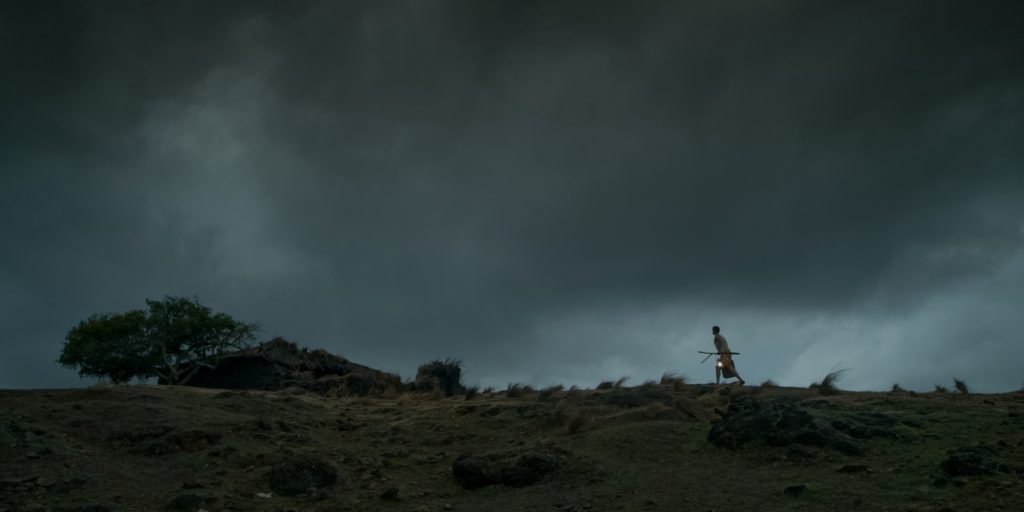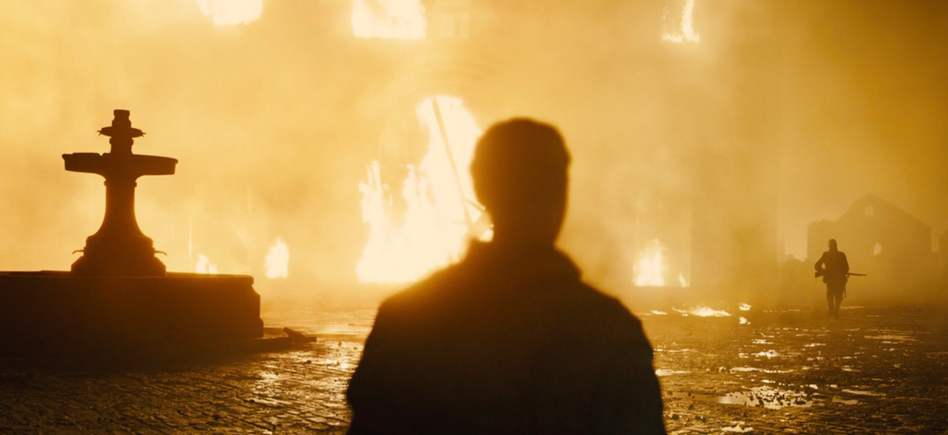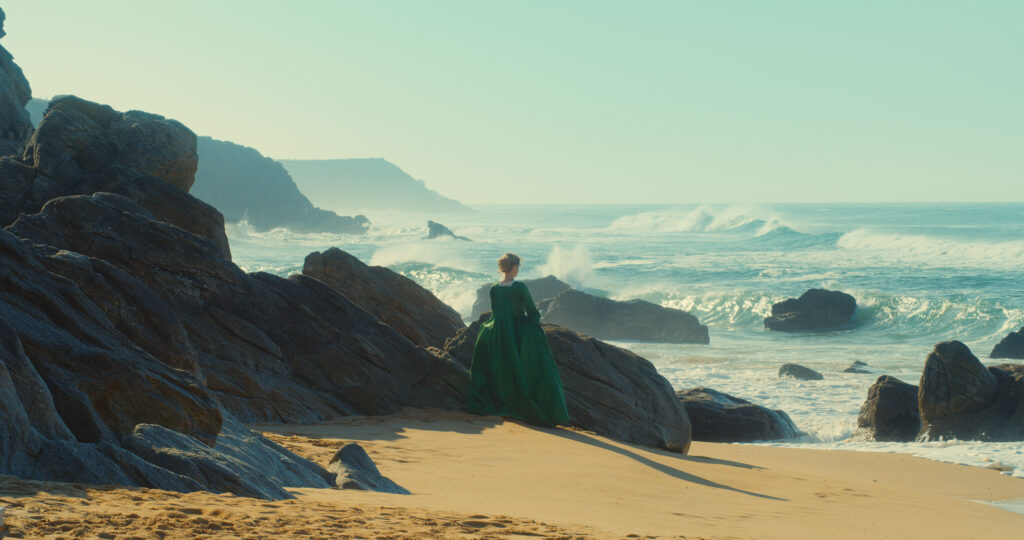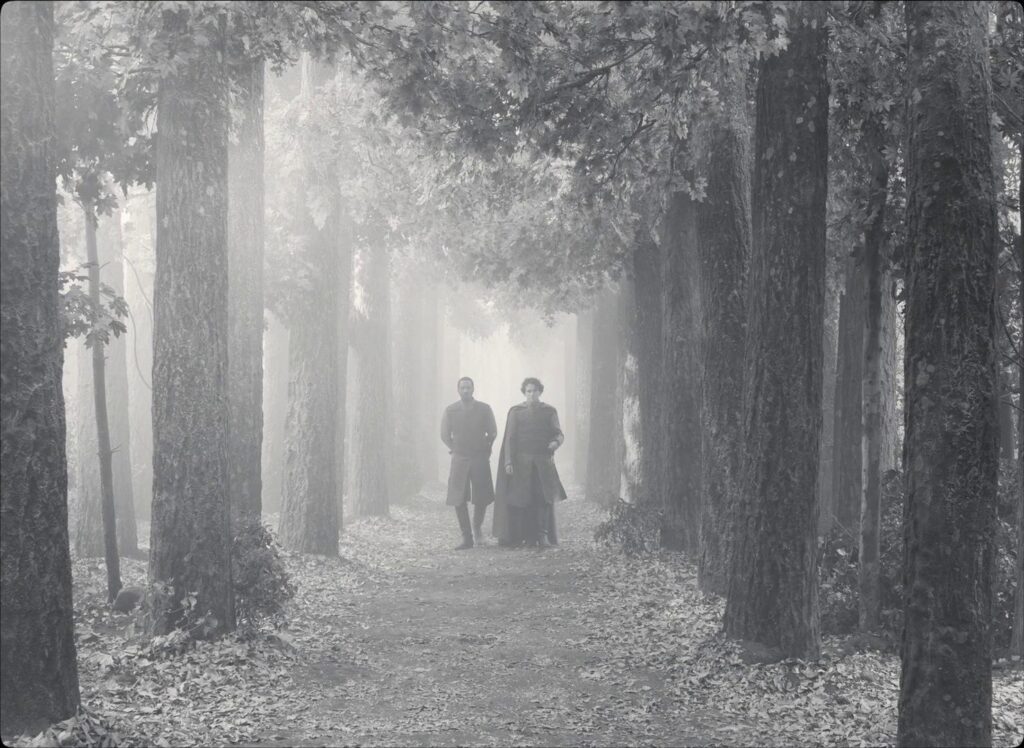
Category: all editorial posts

  • 6 Films You Should Watch Even Though the Academy Clearly Didn’t

    6 Films You Should Watch Even Though the Academy Clearly Didn’t

    While some of the best movies of the last 10 years (Parasite, Moonlight, Drive My Car, etc.) have done amazing with the Academy, dozens of phenomenal films (Portrait of a Lady on Fire, Uncut Gems, Burning) have been snubbed entirely. Clearly, the Oscars don’t always get it right and every year they fail to acknowledge many of the year’s best, especially when it comes to non-English and independent cinema. This year was no exception and here are some I believe the Academy may come to regret (ok, maybe they won’t be regretting passing on Crimes of the Future).

    CRIMES OF THE FUTURE

    ‘Crimes of the Future’ (Neon)

    David Cronenberg’s first full length feature film since 2014’s Maps to the Stars, Crimes to the Future is a return to the director’s bread and butter, noir influenced body horror films, something he hasn’t made since 1999’s eXistenZ (though his son’s Possessor was a welcome taste of the science fiction body horror that must be in the family genetics). Crimes of the Future is the Canadian master’s best since Eastern Promises and stars Viggo Mortensen, Lea Seydoux, and Kristen Stewart all in top form. If a movie whose tagline is “surgery is the new sex” is not an instant no for you, this movie has more going on than what meets the eye and is a (mostly) rewarding experience.

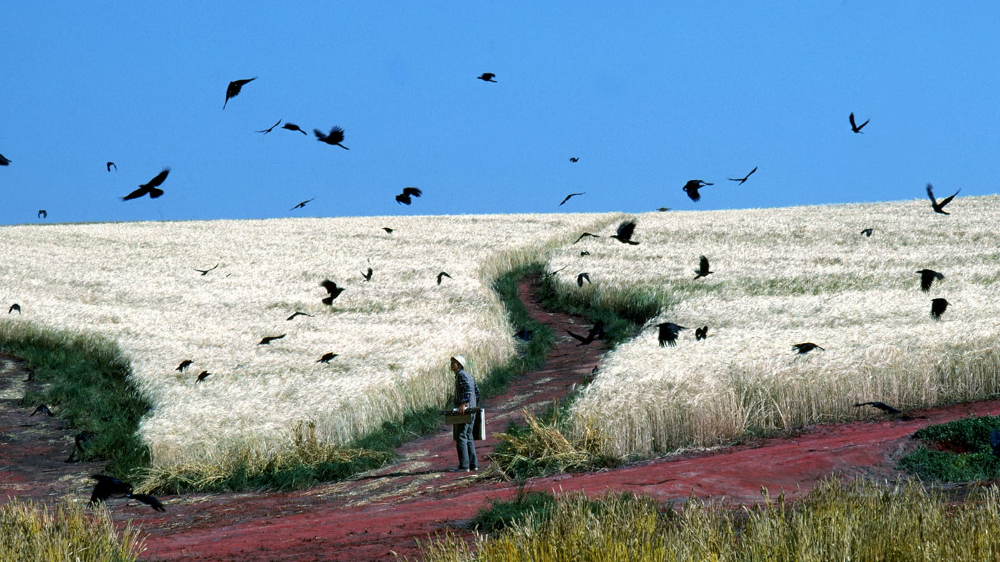
    NO BEARS
    ‘No Bears’ (Sideshow)

    Two of Iranian filmmaker Jafar Panahi’s previous films The White Balloon and This is Not a Film (both worth checking out if you haven’t already) screened at Sewall in early February through Rice Cinema. No Bears is Panahi’s newest feature and sees the humanistic director, who has just recently been released from prison by Iran after being arrested for his polemic and essential work, at the peak of his powers. Panahi, who was censored and jailed for making “propaganda against the state” (This is Not a Film was smuggled out of the country in a flash drive hidden in a cake), has made with No Bears a must-see film that wrestles with what impact his work is really having.

    DECISION TO LEAVE

    ‘Decision to Leave’ (MUBI)

    With Parasite’s massive success in 2019, Korean cinema has received an influx of attention in the last few years. As a result, filmmakers like Bong Joon-Ho, Lee Chang-Dong, Hong Sang-Soo, Na Hong-Jin, and Park Chan-Wook who have been putting out exemplary work for over a decade are finally getting the awareness they deserve. Park, the director of modern classics like Oldboy and The Handmaiden, is back with a Hitchcockian romantic thriller following a detective that becomes captivated by the wife of the murdered man. With stunning cinematography from Kim Ji-Yong and a fantastic performance from Tang Wei, this is a film the Academy will likely regret snubbing (Explain to me how every Park film has missed an International Feature nomination?!)

    NOPE
    ‘Nope’ (Universal)

    While the Oscars didn’t nominate it anywhere, the prestigious New York Film Critics Circle awarded Nope’s Keke Palmer for her multidimensional work in the film. Jordan Peele’s latest is a mix of horror, mystery, thriller, and western that also happens to be a commentary on everything from our culture’s obsession with spectacle to animal cruelty. Does it work? YES and while it’s not on the level of Peele’s debut Get Out, this genre mashup will leave you entertained both while you’re watching and then during the hours you will be thinking about it afterwards.

    THE NORTHMAN

    ‘The Northman’ (A24)

    Tired of rewatching Game of Thrones and in need of something to satisfy your medieval action drama fix? Look no further because this movie has everything you miss from graphic gore to *ahem* interesting family dynamics! The cast is stacked featuring Alexander Skarsgard, Nicole Kidman, Ethan Hawke, Claes Bang, Anya Taylor-Joy, Willem Dafoe, and Bjork. With this film, The Witch, and The Lighthouse under his belt, director Robert Eggers has quickly become one of the most exciting filmmakers of his generation.

    THE EIGHT MOUNTAINS

    ‘The Eight Mountains’ (Sideshow)

    For The Eight Mountains, Felix van Groeningen, known for emotional human dramas such as the Broken Circle Breakdown and Beautiful Boy, teamed up with past collaborator Charlotte Vandermeersch to direct this incredible retelling of the acclaimed Paolo Cognetti novel of the same name. This passionate ode to platonic love is one of the most criminally overlooked films of the year and one the Academy likely would’ve acknowledged if it was in English. Both Luca Marinelli (‘Martin Eden’, ‘Don’t Be Bad’) and Alessandro Borghi (‘Don’t Be Bad’, ‘On My Skin’) deliver wonderful performances in this winner of last year’s Cannes Jury Prize.
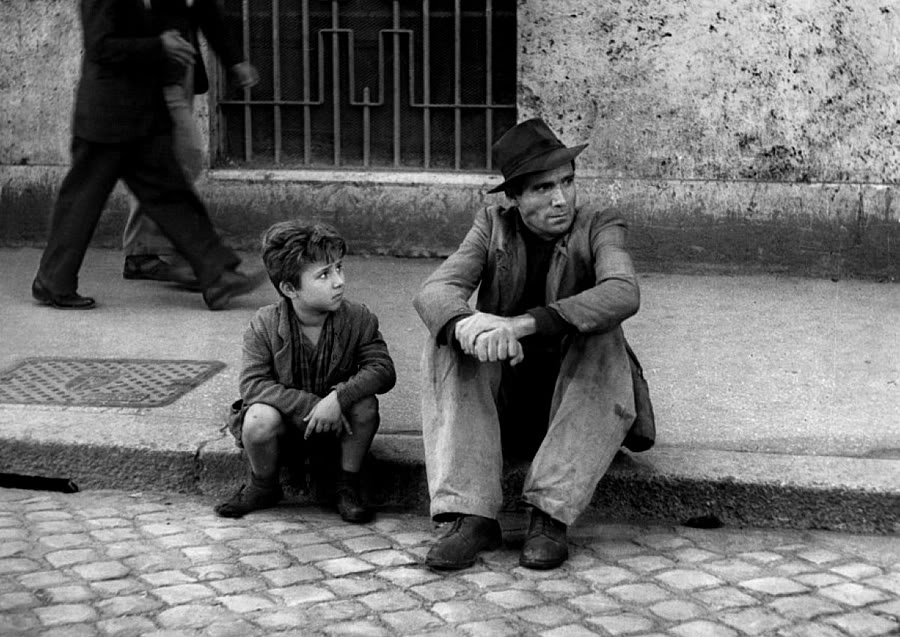

  • In Bicycle Thieves, De Sica puts a human face to the noise

    In Bicycle Thieves, De Sica puts a human face to the noise

    By Arman Saxena

    People yelling, cars screeching, and crowds running. This is Bicycle Thieves’ sonic landscape, a collage of sounds used to depict the constant bustle of post-war Rome. Antonio and his family are victims of this noise, the noise allowed his bike, his livelihood, to be stolen and the noise catches him when he himself, in a moment of desperation, resorts to thievery. 

    At the beginning of the film, Antonio is separate from the noise. A crowd of bodies jostles against each other as they await the municipal employment officer, hoping that this will be the day they are offered a job. But Antonio sits apart from the crowd, he does not see himself as one of them, he will not resort to the same fervent desperation. And when he is the one offered the job, a man from inside the crowd has to go fetch him so he can receive his offer. He stands above the mass of people, though as the film will remind us, this is only for a moment, and he soon returns down the steps, back to the masses. Once Maria sells their wedding sheets and Antonio buys the bike we see the couple at their happiest, smiling wide as they cruise down the streets of Rome. Things seem hopeful for the first time in the film, as if Antonio won’t have to continue struggling so arduously to support his family. He finally has agency as a man, no longer is his eight year old son the household’s main breadwinner, he has reclaimed his position as head of the family. Of course, this does not last long. As soon as he loses his bike, Antonio becomes obsessed and desperate.

    For many, it is incredibly difficult to empathize with a crowd or a collective. They can pity them for what they represent but true empathy for those human beings is absent. What De Sica does in Bicycle Thieves is he isolates Antonio from the crowd, focusing on him and his family, while initially implying that he is in a way different from the noise that engulfs him. He is not drowned by the noise, he works towards his goals in spite of it. However, De Sica is really not interested in promoting some idea of exceptionalism triumphing over poverty. After Antonio is caught attempting to steal the bike outside the wealthy man’s home and is eventually let go, he and Bruno slowly stumble down the streets of Rome. There are tears in both their eyes and they tightly grasp onto each other’s hands as they join the masses, the camera cutting to a rearview wide shot as their identifying characteristics dissolve further and further into the sea of noise. Antonio was doomed from the start. He was never going to escape the noise no matter how hard he tried. We empathize with Antonio. And when Antonio rejoins the crowd, we begin to truly empathize with the noise, which is what I believe to be the film’s purpose. 

    Roger Ebert famously described films as “machines that generate empathy” and De Sica’s film is one of the most effective examples of that idea. Empathy is not pity. There is a barrier in pity between the pitied and who is pitying. There are no barriers in empathy, both humans are on the same level, the same playing field. I think De Sica purposefully depersonalizes the masses occupying the Rome streets. Of course, there are major exceptions to this, including the mother of the young ruffian who Antonio accuses of thievery and the old man who Antonio interrogates and threatens. It is no mistake that the people Antonio acts belligerently towards are those who are even lower on the social scale than he is, the old man is going to church solely for the purpose of a decent meal and the elderly mother has been waiting for her son to get a job for over a year. It is also no mistake that while no one runs after the man that steals Antonio’s bike, a whole mob, many of which are decked out in suits, follows Antonio once he steals the bike of a wealthy man. While neorealism’s thesis is about observation and generating empathy just through the act of depicting human experience, there is a palpable anger in the film’s margins that bleeds to the surface through scenes like these. 

    When we first see him and his impoverished surroundings, many will pity Antonio and his family. As the film goes on, however, we spend more time with Antonio. We see the smiles he shares with his wife when he gets the bike and the tears he sheds once he has accepted that he won’t get it back. We see every aspect of their lives and no matter who the viewer is, it is impossible not to find similarities between his character and themselves. And by the time the word “Fin” has appeared on the frame, that initial pity has transformed into empathy.

  • Puss in Boots: The Last Wish: A Colorful and Surprisingly Poignant Installment in the ‘Shrek’ Universe

    Puss in Boots: The Last Wish: A Colorful and Surprisingly Poignant Installment in the ‘Shrek’ Universe

    By Arman Saxena

    Wow, what a gorgeous film! Having seen the trailer I expected animation that was different from the usual Dreamworks style, but I did not anticipate finding myself in awe of the energetic, colorful, and expressionistic frames that populate this film. With a character like Puss in Boots, the filmmakers could have settled for being standard animated fare: a fun, engaging story that captivates children and adults alike but is ultimately forgettable in both their minds. But the visual aspects of the film are incredibly inspired, from the color changes that occur during the fight scenes (which reminded me of 2018’s Spider-Man: Into the Spider-Verse) to the pop culture references littered (sorry, I had to) throughout the film (from Terminator 2 to Dogs Playing Poker). There was clearly a lot of love and imagination put into crafting this film and as someone who loves animation, it’s always a joy to see a film that was made with such joie de vivre.

    That’s not to say that this is a perpetually joyous film. With Puss in Boots (Antonio Banderas) on his last life, he has to overcome his newfound fear of death, a theme that is tackled a lot more maturely than I expected from a mainstream film marketed towards children. The existentialism that permeates throughout sections of this film makes me believe that it is not too much to call it a psychological drama. Puss has always lived with this sense of immortality as a result of his nine lives and the legend of his moniker, but once he’s on his last legs he is forced to reconcile with the mistakes he has made and what truly fulfills him. And the film does not shy away from spending time with Puss’ psyche, we see him feel fear, loss, and loneliness, all made more powerful with the stark, striking colors of the animation.

    Antonio Banderas conveys all of this beautifully. Adding intonations of vulnerability into Puss’ consistently cocksure attitude, Banderas makes this the most relatable on-screen Puss so far. The supporting voice performances are also uniformly excellent though I want to highlight Wagner Moura as the film’s main villain Wolf. Moura knows how to play menacing, his best known role to American audiences being Pablo Escobar in Narcos. But here he is playing the personification of death itself and Moura imbues his character with the kind of controlled terror that makes Wolf one of the best (and most frightening) villains in recent mainstream animation. The whole rogues’ galleries of antagonists in this film are all beautifully rendered characters. From Big Jack Horner (John Mulaney, who is having the time of his life here) to the Goldilocks (Florence Pugh) and the Three Bears Crime Family (Ray Winstone, Olivia Colman, and Samson Kayo), the film does a lot thematically with its supporting cast. The film is a quick 102 minutes and it’s impressive how the filmmakers are able to flesh out so many characters in so little time (though I think Goldilocks’ motivations could have used a little bit more development). 

    Fans of the franchise will be excited to know that Kitty Softpaws (a terrific Salma Hayak) is not just a glorified cameo in this film. She’s as important to this film as she was to the last, and while their banter remains, her relationship with Puss is only more interesting this time around. The most important of this film’s new characters is Perrito (played by What We Do in the Shadows’ Harvey Guillen), a self-described therapy dog who is the film’s heart and soul. While initially somewhat annoying, Perrito becomes the film’s most endearing character, largely due to Guillen’s thoroughly sincere voice performance. He joins Puss and Kitty on their adventure, gradually affecting them in ways that provide some of the film’s most poignant and funny moments.  

    I am not saying that a lot of the film does not seem predictable or follow many of the tropes seen throughout family films, because a lot of it does. But with its wonderful visual verve, a captivating cast of well-realized characters, and seriously-explored themes that don’t muddy the film’s tone, ‘The Last Wish’ rises above those tropes to become one of the best computer-animated films of the 2020s so far.

  • Aftersun: An Understated and Deeply Human Exploration of Memory

    Aftersun: An Understated and Deeply Human Exploration of Memory

    By Arman Saxena

    The film opens with a scene filmed on a digital home video camera. One of those cheap cameras that have given me a glimpse back into a past I never experienced. My family’s Y2K party, my older cousin’s feverish dancing on her fourth birthday, my parents doing karaoke on a snowy winter day. This first scene in Aftersun reminded me of those windows into the past, generating a weird nostalgia, a combination of joy for seeing those I love happy and a sense of melancholy that these moments are far gone. And like Aftersun, these videos don’t seem like the movies, everything does not go to plan: an uncle almost runs into the camera, moments are focused on for longer than you might expect, and a cousin kicks her sister while she’s dancing. These videos are oftentimes solely just snapshots of moments in lives. The event that brings their characters together may be of note but many of the moments that fill the time are completely ordinary. Then why are they so captivating? Why have I spent hours and hours looking back at the scenes of my aunt and uncle talking about nothing in particular, my cousins singing off-key, and the silly puns my dad has been making for apparently over 20 years? I don’t really have an answer to that question but I think the things that don’t go to plan, that seem out of place, are what keep me coming back. 

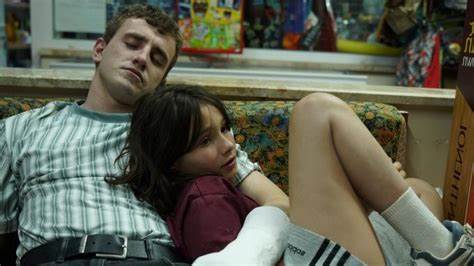
    At least that is what’s compelling about Aftersun. In the first scene, a girl films a man who is presumably her father (played spectacularly by the Oscar-nominated Paul Mescal) sillily dancing in a bathroom. The girl says “That’s so embarrassing!” and as the father starts to move out of frame, she asks to interview him. “When you were eleven, what did you think you would be doing now?” His hand is on his face, he looks preoccupied, frazzled. He takes his hand off his face, looks at the girl with his hands on his hips as if saying, “I don’t want to talk about this right now”, but he stays silent. As he begins to turn away, the image freezes. There is a woman in what appears to be a club with strobe lights. She stands out, motionlessly standing on the dance floor, eyes shut. And then we cut back to the home video footage, this time from the father’s perspective as his daughter waves goodbye to him at an airport. 

    Director Charlotte Wells and her editor Blair McClendon (who rightfully won best editing for their work from the Los Angeles Film Critics Association) use the effect of fast forwarding through footage on a cheap video camera to great effect, representing the elder Sophie’s search through her memories of her father.

    These moments are what consist of the film’s first two minutes but essentially outline what the film will be: a deeply human exploration of the moments we don’t realize we want to hold on to until it’s possibly too late. The film, however, does not just focus on Sophie’s time with her father. We see the flutters of first love, the occasionally awkward time spent with pubescent teenagers, and moments of exploration and discovery. All of these are hallmarks of coming-of-age cinema but Aftersun never feels like it’s following overdone tropes. Nothing feels artificial or contrived and this is a combination of the phenomenally naturalistic performances from Paul Mescal and newcomer Frankie Corio, Wells being unafraid to let sequences and shots linger, and Wells’ writing that never feels twee yet simultaneously endears us to Sophie’s sweetness. Mescal, especially, is fantastic. As his character’s mental state slowly unravels over the course of the film, Mescal never gives everything away, the Irish actor displaying that inner conflict that every parent knows between wanting to be honest with your child and yet always making sure they feel safe and comfortable. In a single scene, Mescal can be at once distant and loving, attentive but preoccupied, dancing at one moment and in silent frustration the next. This is my favorite male performance of 2022. Corio is fantastic as well, not many young actresses could deliver “I think it’s nice we share the same sky” and have it come off completely sincere. 

    All in all, that’s what I love about this film, how sincere it feels. Wells is deeply committed to the art of “show don’t tell”, allowing McClendon’s editing to help the audience decipher the location jumps and non-linearity of the storytelling. But while the film’s progression is not obvious it is never confusing and the emotional progression of the film is deeply felt. Nothing feels manipulative and the audience is never told how to feel. Some may come out of the film wondering why they spent an hour and a half watching a father and daughter spend their vacation together but I believe the majority of viewers will take away what I took away or something near it: an inspiration to cherish the moments we have because even the most commonplace of seconds can be home to profound beauty.

    Rating: 4.5/5

  • Sorry White People, RRR Isn’t as Great as You Think

    Sorry White People, RRR Isn’t as Great as You Think

    By Arman Saxena

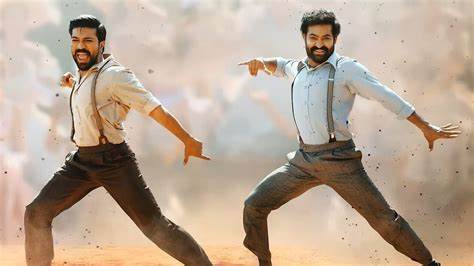
    With its Best Picture nomination at the Critics’ Choice Awards, S.S. Rajamouli’s RRR is officially a top 12 Oscar Best Picture contender and I personally have it at my number nine slot, meaning I believe it will receive a nomination. Still, I have been very bearish on RRR’s chances this year, admittedly due to my own views about the film’s quality, in addition to reservations about whether such a bombastic and unabashedly ridiculous action picture would appeal to the Academy. But those concerns are likely foundationless as the Academy, as it is now, is dramatically less averse to genre cinema than it has been in years past, as has been shown by Everything Everywhere All at Once’s success and by the recent success of genre films like Black Panther, Get Out, The Shape of Water, and Joker. All these films had elements that implied that they were greater than their genre trappings would suggest. Those touting RRR as one of the best of the year claim the same thing, that it is a passionate anti-colonialist and anti-caste statement, utterly unique in the realm of Telugu and Indian blockbusters. But those claims, frankly, have many holes.

    When it comes to social commentary, the primary buzzword I’ve heard concerning RRR is “anti-colonialist”, so let’s examine the extent to whether the film is anti-colonialist in any meaningful way. Are RRR’s villains British colonials? Yes, and they are one-dimensional caricatures at that, portraying the British as cartoonish yet uniformly ruthless (with the character of Jenny being the sole exception). But even though the British are shown clearly as racist oppressors, does the film present any position or display anything specific about the effects of colonialism in particular? I did not see any. While the film relishes in scenes of Indian-on-British colonist carnage, (some of which is admittedly incredibly satisfying) there is essentially nothing in it that seems specific to colonialism; the film instead depicts two heroes battling against a cartoonishly generic evil empire. Just because it contains anti-colonial violence from the story’s heroes does not mean the film does anything for it to be considered that it is promoting any sort of ideology surrounding anti-colonialism. While shots like the villainous Governor Scott’s blood splattering on “the sun never sets on the British empire” were cinematic touches that I enjoyed, the film says practically nothing about colonialism beyond the simplistic assertion that it was immoral and inhumane, which is expected from a mainstream Indian blockbuster but not from a film being touted for its so-called anti-colonialism.

    In addition to being praised as anti-colonialist, RRR has also been praised as a staunch rejection of the caste system through the character of Bheem. Bheem is a member of the Gond tribe and after a Gond child Malli is kidnapped by British colonials, he vows to return her to her family no matter what it takes. Bheem is depicted as kind, gentle and capable, and initially seems like an equal to Raju, an officer in the Indian Imperial Police. While we learn later that Raju also comes from a village background, he has received Western academic, social, and linguistic education as a part of becoming an officer. He is ruthless like the British, his introductory scene featuring the officer confidently fending off hundreds of pro-independence protesters singlehandedly. As the more “westernized” of the two men it is refreshing to see them depicted as equals, however, this changes as the film goes on. When it is revealed that Raju is actually a double agent, infiltrating the British police in order to supply arms to his village, the film associates Raju with the Hindu god Ram (his love interest is even named Sita). Once Raju is connected to Ram he essentially becomes a god-like being, no longer an equal to Bheem. This idea is conveyed most convincingly in one of the film’s final scenes, where Raju asks Bheem to allow him to grant a wish for him. The wide-eyed Bheem asks Raju to provide education for him and his people, cementing the unbalanced power dynamic between the two. By situating Bheem on a level lower than Raju, the film can’t be called anti-caste as it undercuts its initial promise to situate Bheem as Raju‘s equal. 

    ‘RRR’ (Netflix)

    The closest the film comes to a political statement is in the final musical sequence (“Sholay”), which plays as a celebration of the leaders of the Indian independence movement. This sequence features many famous figures of India’s anti-colonial history including Subhas Chandra Bose, Sardar Vallabhbhai Patel, Bhagat Singh, Rani of Jhansi and Chhatrapati Shivaji Maharaj. What’s notable about this list is that only Hindu leaders are mentioned (with Bhagat Singh, born to Sikh parents, who later converted to atheism, being the sole exception). There are also many important figures notably absent such as Jawarhlal Nehru, B.R. Ambedkar, and the Father of the Nation himself Mahatma Gandhi. What do these figures all have in common other than being some of the most prominent Indian nationalists, they were pro-religious toleration and anti-caste system. It almost seems as if the filmmakers found these leaders’ religious toleration objectionable but were able to accept Subhas Chandra Bose’s alignment with Nazi Germany. Moreover, the complete erasure of Muslim Indian nationalists such as Maulana Azad from the discussion of Indian freedom fighters, while not unexpected, is disappointing. With India’s prime minister Narendra Modi forcing Hindu nationalist principles into Indian policy, (see: Citizenship Amendment Bill) these exclusions are unsurprising as other choices could cause Rajamouli’s film to receive the ire of the government in an India that is moving further and further away from being a free country. 

    But what is surprising is that a film that does absolutely nothing progressive in terms of the contemporary sociopolitical context of India is widely being touted as salient social commentary by Western audiences. That, to me, is incredibly frustrating and is the main reason I wrote this piece. Mainstream Indian cinema is, for the most part, inextricably tied to the agenda of the government as films that the Hindu nationalist majority believes go against their worldview and beliefs are protested, review-bombed on sites like IMDb, and end up underperforming at the box office. Almost solely through streaming platforms like Netflix and Amazon Prime can politically diverse mainstream Indian films and television be made. We are seeing an India where a Hindu propaganda film, literally government-endorsed, like The Kashmir Files (yes, the massacre and forced exile of Kashmiri Pandits did occur but is the film completely unnuanced and Islamophobic? also yes) can become a nationwide success. Now at this point you may ask, what does all of this have to do with RRR? Well, I believe understanding the context of the state of mainstream Indian cinema is integral to understanding why I scoff at any assertion that the film can be considered ideologically progressive in any way. I wouldn’t go as far to say the film is propaganda, pro-caste, or anti-Muslim but in today’s India, Rajamouli’s film says absolutely nothing as a social drama.

    Now, discussing whether the film contributes anything artistically to the canon of Indian blockbuster cinema may seem trivial compared to the discussion of social commentary in the paragraphs above. However, I still want to judge the film on artistic merits as well so bear with me. As a child of Indian immigrants, (one from the Telugu-speaking state of Andhra Pradesh and the other from Hindi-speaking Uttar Pradesh) I grew up on the milieu of popular spectacles that were Bollywood masala fare and the Tollywood action musicals of stars like Mahesh Babu, Samantha, Pawan Kalyan, and Trisha. As a result, RRR comes from a genre I am familiar with. For the most part, Rajamouli’s film doesn’t really deviate much from the usual formula of these films. The sheer spectacle that’s been praised by many is something that is relatively commonplace in Indian cinema. The films that made Rajamouli a household name across the entire subcontinent were the two Baahubali films and from the perspective of spectacle, RRR does very little that those films do not. Both RRR and the Baahubali films contain high-octane, slow-motion heavy action sequences, in-your-face and stylish cinematography, and ridiculous scenes featuring CGI animals. However, these elements are not exclusive to Rajamouli’s films, blockbuster Indian cinema throughout the continent is littered with these features. When I came into RRR in June hearing all the positivity surrounding it, I assumed Rajamouli wouldn’t waste the biggest budget ever for an Indian film and would go all out. After finishing it, I was honestly disappointed by how reliant Rajamouli was on the usual tropes and fixtures of Indian and Telugu cinema. Just this year, Mani Ratnam came out with his first film in four years “Ponniyin Selvan: Part 1”, which like RRR is a big-budget period action-adventure extravaganza filled with energetic spectacle. Yet Ratnam’s film is more interesting as while it also adheres to many of the tropes seen throughout blockbuster Indian cinema, Ratnam imbues the film with a visual verve that gives the film its own distinct signature. In my eyes, the majority of RRR is stylistically indistinguishable from many other mainstream Indian blockbusters (though again the film boasts some elements that are definitely exceptions to this).

    Still, RRR in many ways is a beacon of hope for the future, a future where non-Western cinema and specifically Indian cinema can be acknowledged widely by Western audiences as great filmmaking. Yet, the film is not the best Indian cinema has to offer, and in just the last few years Super Deluxe (Tamil), Kumbalangi Nights (Malayalam), Visaranai (Tamil), R.I.P. (Malayalam), Village Rockstars (Assamese), Article 15 (Hindi), The Disciple (Marathi) have proven just that. As an Indian-American, I am ecstatic to see an Indian film so widely-seen by general American audiences (and Netflix is in large part to thank for that), I only wish it was a film that was more deserving of that attention, one that better represented the rollicking, inventive entertainment and insightful commentary that the best of Indian cinema can offer. I am incredibly happy to see a film primarily in an Indian language be a likely Best Picture contender, and part of me wants to root for it solely on those grounds but I can’t help but return to the film’s wide variety of issues. Still, I am hopeful. RRR becoming the massive phenomenon it is, will open doors for other Indian cinema to receive Western acclaim as many will seek out other films like it. It cannot be understated how significant RRR’s success is for Indian cinema as a whole and I appreciate that. Now, hopefully, that exposure will help more deserving Indian films receive that attention.

  • Critics Choice Nominations: ‘Everything Everywhere All at Once’ Leads With 14, ‘She Said’ Misses in All but Screenplay

    Critics Choice Nominations: ‘Everything Everywhere All at Once’ Leads With 14, ‘She Said’ Misses in All but Screenplay

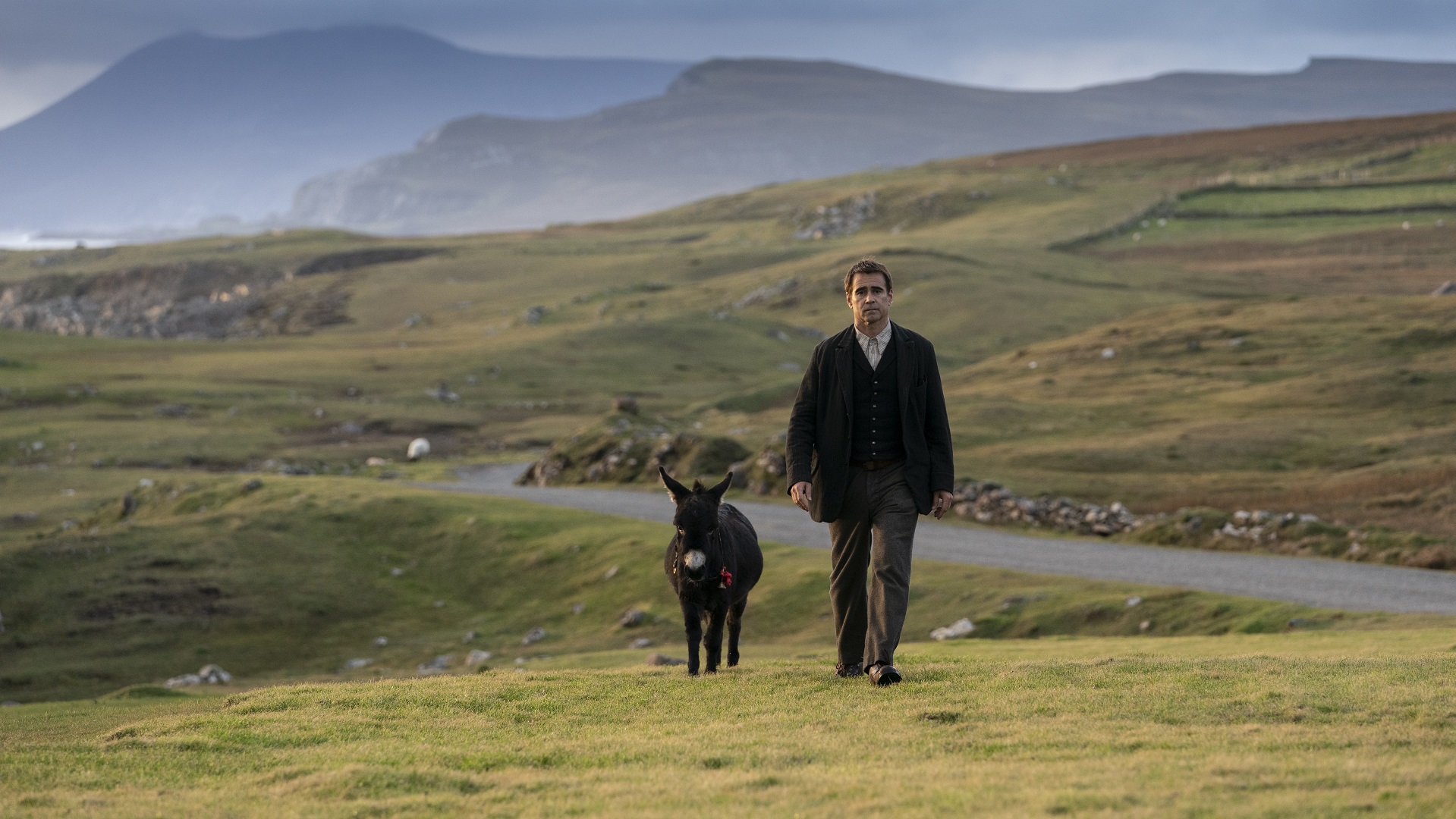
    With the Critics Choice Awards coming through with their nominations this morning, we now have the penultimate piece of the puzzle (other than the Producers Guild Awards which will release on January 12th) when it comes to the Best Picture nomination slate. At this point, ‘Everything Everywhere All at Once’, ‘The Fabelmans’, ‘The Banshees of Inisherin’, ‘Tar’, ‘Babylon’, ‘Women Talking’, ‘Top Gun: Maverick’, and ‘Elvis’ are all essentially locked for nominations. ‘Glass Onion’, ‘Avatar’, and ‘RRR’ were also given nods, while other films on the cusp like ‘She Said, ‘The Woman King’, ‘Till’, ‘The Whale’ and ‘Triangle of Sadness’ missed the cut. In my eyes, ‘She Said’, a film that I had predicted for a Best Picture nod up to this point, now needs a PGA nod to stay in the slate. At this point, my picks for which films will fill the remaining two slots in Best Picture are ‘Avatar: The Way of the Water’ and ‘RRR’ (though Aftersun also has a pretty good chance of taking this tenth slot).

    Here are Critics Choice’s nominees:

    BEST PICTURE

    “Avatar: The Way of Water”
    “Babylon”
    “The Banshees of Inisherin”
    “Elvis”
    “Everything Everywhere All at Once”
    “The Fabelmans”
    “Glass Onion: A Knives Out Mystery”
    “RRR”
    “Tár”
    “Top Gun: Maverick”
    “Women Talking”

    BEST ACTOR

    Austin Butler – “Elvis”
    Tom Cruise – “Top Gun: Maverick”
    Colin Farrell – “The Banshees of Inisherin”
    Brendan Fraser – “The Whale”
    Paul Mescal – “Aftersun”
    Bill Nighy – “Living”

    BEST ACTRESS

    Cate Blanchett – “Tár”
    Viola Davis – “The Woman King”
    Danielle Deadwyler – “Till”
    Margot Robbie – “Babylon”
    Michelle Williams – “The Fabelmans”
    Michelle Yeoh – “Everything Everywhere All at Once”

    BEST SUPPORTING ACTOR

    Paul Dano – “The Fabelmans”
    Brendan Gleeson – “The Banshees of Inisherin”
    Judd Hirsch – “The Fabelmans”
    Barry Keoghan – “The Banshees of Inisherin”
    Ke Huy Quan – “Everything Everywhere All at Once”
    Brian Tyree Henry – “Causeway”

    BEST SUPPORTING ACTRESS

    Angela Bassett – “Black Panther: Wakanda Forever”
    Jessie Buckley – “Women Talking”
    Kerry Condon – “The Banshees of Inisherin”
    Jamie Lee Curtis – “Everything Everywhere All at Once”
    Stephanie Hsu – “Everything Everywhere All at Once”
    Janelle Monáe – “Glass Onion: A Knives Out Mystery”

    BEST YOUNG ACTOR/ACTRESS

    Frankie Corio – “Aftersun”
    Jalyn Hall – “Till”
    Gabriel LaBelle – “The Fabelmans”
    Bella Ramsey – “Catherine Called Birdy”
    Banks Repeta – “Armageddon Time”
    Sadie Sink – “The Whale”

    BEST ACTING ENSEMBLE

    “The Banshees of Inisherin”
    “Everything Everywhere All at Once”
    “The Fabelmans”
    “Glass Onion: A Knives Out Mystery”
    “The Woman King”
    “Women Talking”

    BEST DIRECTOR

    James Cameron – “Avatar: The Way of Water”
    Damien Chazelle – “Babylon”
    Todd Field – “Tár”
    Baz Luhrmann – “Elvis”
    Daniel Kwan, Daniel Scheinert – “Everything Everywhere All at Once”
    Martin McDonagh – “The Banshees of Inisherin”
    Sarah Polley – “Women Talking”
    Gina Prince-Bythewood – “The Woman King”
    S. S. Rajamouli – “RRR”
    Steven Spielberg – “The Fabelmans”

    BEST ORIGINAL SCREENPLAY

    Todd Field – “Tár”
    Daniel Kwan, Daniel Scheinert – “Everything Everywhere All at Once”
    Martin McDonagh – “The Banshees of Inisherin”
    Steven Spielberg, Tony Kushner – “The Fabelmans”
    Charlotte Wells – “Aftersun”

    BEST ADAPTED SCREENPLAY

    Samuel D. Hunter – “The Whale”
    Kazuo Ishiguro – “Living”
    Rian Johnson – “Glass Onion: A Knives Out Mystery”
    Rebecca Lenkiewicz – “She Said”
    Sarah Polley – “Women Talking”

    BEST CINEMATOGRAPHY

    Russell Carpenter – “Avatar: The Way of Water”
    Roger Deakins – “Empire of Light”
    Florian Hoffmeister – “Tár”
    Janusz Kaminski – “The Fabelmans”
    Claudio Miranda – “Top Gun: Maverick”
    Linus Sandgren – “Babylon”

    BEST PRODUCTION DESIGN

    Hannah Beachler, Lisa K. Sessions – “Black Panther: Wakanda Forever”
    Rick Carter, Karen O’Hara – “The Fabelmans”
    Dylan Cole, Ben Procter, Vanessa Cole – “Avatar: The Way of Water”
    Jason Kisvarday, Kelsi Ephraim – “Everything Everywhere All at Once”
    Catherine Martin, Karen Murphy, Bev Dunn – “Elvis”
    Florencia Martin, Anthony Carlino – “Babylon”

    BEST EDITING

    Tom Cross – “Babylon”
    Eddie Hamilton – “Top Gun: Maverick”
    Stephen Rivkin, David Brenner, John Refoua, James Cameron – “Avatar: The Way of Water”
    Paul Rogers – “Everything Everywhere All at Once”
    Matt Villa, Jonathan Redmond – “Elvis”
    Monika Willi – “Tár”

    BEST COSTUME DESIGN

    Ruth E. Carter – “Black Panther: Wakanda Forever”
    Jenny Eagan – “Glass Onion: A Knives Out Mystery”
    Shirley Kurata – “Everything Everywhere All at Once”
    Catherine Martin – “Elvis”
    Gersha Phillips – “The Woman King”
    Mary Zophres – “Babylon”

    BEST HAIR AND MAKEUP

    “Babylon”
    “The Batman”
    “Black Panther: Wakanda Forever”
    “Elvis”
    “Everything Everywhere All at Once”
    “The Whale”

    BEST VISUAL EFFECTS

    “Avatar: The Way of Water”
    “The Batman”
    “Black Panther: Wakanda Forever”
    “Everything Everywhere All at Once”
    “RRR”
    “Top Gun: Maverick”

    BEST COMEDY

    “The Banshees of Inisherin”
    “Bros”
    “Everything Everywhere All at Once”
    “Glass Onion: A Knives Out Mystery”
    “Triangle of Sadness”
    “The Unbearable Weight of Massive Talent”

    BEST ANIMATED FEATURE

    “Guillermo del Toro’s Pinocchio”
    “Marcel the Shell with Shoes On”
    “Puss in Boots: The Last Wish”
    “Turning Red”
    “Wendell & Wild”

    BEST FOREIGN LANGUAGE FILM

    “All Quiet on the Western Front”
    “Argentina, 1985”
    “Bardo, False Chronicle of a Handful of Truths”
    “Close”
    “Decision to Leave”
    “RRR”

    BEST SONG

    “Carolina” – “Where the Crawdads Sing”
    “Ciao Papa” – “Guillermo del Toro’s Pinocchio”
    “Hold My Hand” – “Top Gun: Maverick”
    “Lift Me Up” – “Black Panther: Wakanda Forever”
    “Naatu Naatu” – “RRR”
    “New Body Rhumba” – “White Noise”

    BEST SCORE

    Alexandre Desplat – “Guillermo del Toro’s Pinocchio”
    Michael Giacchino – “The Batman”
    Hildur Guðnadóttir – “Tár”
    Hildur Guðnadóttir – “Women Talking”
    Justin Hurwitz – “Babylon”
    John Williams – “The Fabelmans”

  • Everything Everywhere All at Once Will Win Best Picture

    Everything Everywhere All at Once Will Win Best Picture

    Since 2015, when Todd McCarthy’s Spotlight won Best Picture, there has been a constant among the films the Academy has awarded with their highest honor: a sociocultural awareness. This is not to say the Academy’s desire to choose a socially aware film to represent what they believe to be the best of the year is new, far from it. In 1968, a famously landmark year for American political activism that saw major leaps in the public consciousness’ awareness of movements promoting anti-war sentiment, civil rights, women’s rights, LGBTQ rights, etc., the Sidney Poitier-starring In the Heat of the Night was declared the Academy’s winner. It’s no accident that a film featuring a white and Black man working together to solve a murder case in a racist contemporary Mississippi town won in a year where societal cognizance about injustices towards minority and marginalized groups was at a peak. All of this is to say that when political passion is at a high, Academy members do tend to lean towards media that they feel reflects and/or represents the sociocultural awareness they want to see.  

    Now for almost a decade, American culture has experienced an incredible amount of political passion and polarization and while this politicization has seen highs and lows during this timeframe, it has consistently been higher during this period than it has been in around 50 years. What this means is that the Academy choosing films like Spotlight (a film that celebrates journalists by telling the story of the intrepid Boston Globe reporters who uncovered widespread sex abuse among clergy in the Boston area), Moonlight (a coming-of-age story charting the early life of a young gay, Black man dealing with his identity), The Shape of Water (a love story between a deaf woman and a fish man, conveying the message that everybody deserves love no matter how different they seem), Green Book (a buddy film telling the story of an Italian-American bouncer hired to drive an African-American pianist on his tour of the South), Parasite (an examination of class discrimination through the lens of a home invasion thriller), Nomadland (a film that tells the story of a woman who, after losing everything in the Great Recession, becomes a nomad), and CODA (the story of a deaf family and their daughter who works to pursue her passion for music) is telling. Now I don’t enjoy reducing these films to these short descriptions because the majority of them are fantastic works of art that transcend these easy attempts to identify what they’re about, but I only hope to illustrate that they all share a level of consciousness over contemporary sociocultural issues. 

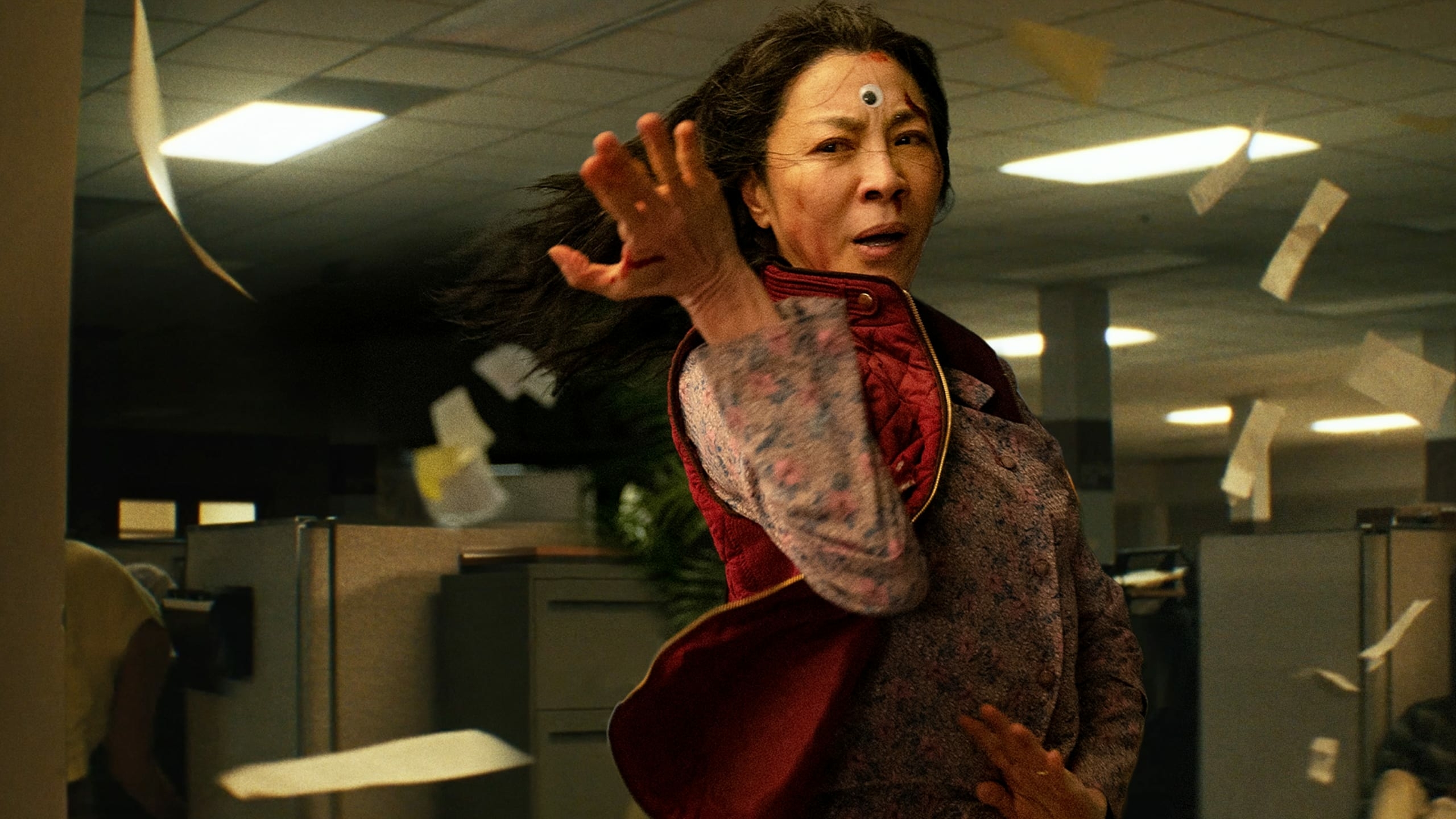
    This trend shows no signs of stopping anytime soon and therefore we must consider this factor when prognosticating our Best Picture winner. At this point in the season, we’ve established that our three frontrunners are Everything Everywhere All at Once, The Fabelmans, and The Banshees of Inisherin. These films have appeared at all the major precursors, they all have the Golden Globe nomination trifecta, and have found success with the critics’ groups. However, in my eyes, Everything Everywhere All at Once leads the pack. Both The Fabelmans and The Banshees of Inisherin don’t explicitly deal with any major sociocultural dilemma while EEAAO tackles themes of generational trauma and the experiences of immigrants (and their children) in America. On top of that, the film is probably one of the biggest word-of-mouth successes of the year and has sustained its momentum all the way from its original theatrical release in March. 

    Some may say that the old guard of the Academy won’t go for a film as wacky, deeply genre, and/or crude as EEAAO. But if the success of films like The Shape of Water, Get Out, and Parasite have shown anything it’s that these elements are not as much of a detriment in the eyes of the Academy as they used to be. If a film is beloved enough, which EEAAO most definitely is, it forgoes the need to conform to many of the traditional markings of a Best Picture winner. In my view, the film has the perfect cocktail of qualities on its side and doesn’t seem to be stopping anytime soon. Don’t be surprised to see the Daniels and the rest of their team on the stage waving that little gold man at the end of Oscar night. 

  • Golden Globes Nominations 2023: ‘Banshees’ Leads With 8, ‘Everything Everywhere’ and ‘Fabelmans’ Cement Themselves as the Frontrunners

    Golden Globes Nominations 2023: ‘Banshees’ Leads With 8, ‘Everything Everywhere’ and ‘Fabelmans’ Cement Themselves as the Frontrunners

    The Golden Globes released their slate of nominees this morning, shedding further light on what to expect this awards season. One thing I always mention when the Golden Globe noms are released is the stat that in the last 10 years (in all years except the most recent), the eventual Best Picture winner was nominated for a Best Film, Director, and Screenplay award at the Globes before going on to win Oscar’s biggest prize.
    This year, Everything Everywhere All at Once, The Fabelmans, and Banshees of Inisherin received that nomination trifecta, cementing those films as the three biggest players of the season. The former pair will likely be the two biggest frontrunners and I predict EEAAO will end up winning it all in the end.

    Another stat I want to mention is that in the last ten years, at least four of the five nominees in Best Film – Drama went on to earn Best Picture nominations later on in their respective years. That means that at most one of Avatar 2, Elvis, The Fabelmans, Tar, and Top Gun: Maverick won’t make the slate. I think that film is most likely to be Avatar 2 (my current BP slate being EEAAO, The Fabelmans, ‘Banshees’, Tar, Women Talking, Babylon, Top Gun: Maverick, Elvis, She Said). However, there is also a pretty good chance that all the films nominated here will make it in, hopefully the CCA nominations coming out on Wednesday will provide another piece of the puzzle.
    Here are the 2023 Golden Globe nominees:

    Film

    Best Picture (Drama)

    • Avatar: The Way of Water
    • Elvis
    • The Fabelmans
    • Tar
    • Top Gun: Maverick

    Best Picture (Musical or Comedy)

    • Babylon
    • The Banshees of Inisherin
    • Everything Everywhere All at Once
    • Glass Onion: A Knives Out Mystery
    • Triangle of Sadness

    Best Animated Film

    • Guillermo del Toro’s Pinocchio
    • Inu-Oh
    • Marcel the Shell with Shoes On
    • Puss in Boots: The Last Wish
    • Turning Red

    Best Picture (Non-English Language)

    • All Quiet on the Western Front (Germany)
    • Argentina, 1985 (Argentina)
    • Close (Belgium)
    • Decision to Leave (South Korea)
    • RRR (India)

    Best Actress (Drama)

    • Cate Blanchett (Tar)
    • Olivia Colman (Empire of Light)
    • Viola Davis (The Woman King)
    • Ana de Armas (Blonde)
    • Michelle Williams (The Fabelmans)

    Best Actor (Drama)

    • Austin Butler (Elvis)
    • Brendan Fraser (The Whale)
    • Hugh Jackman (The Son)
    • Bill Nighy (Living)
    • Jeremy Pope (The Inspection)

    Best Actress (Musical or Comedy)

    • Lesley Manville (Mrs. Harris Goes to Paris)
    • Margot Robbie (Babylon)
    • Anya Taylor-Joy (The Menu)
    • Emma Thompson (Good Luck to You, Leo Grande)
    • Michelle Yeoh (Everything Everywhere All at Once)

    Best Actor (Musical or Comedy)

    • Diego Calva (Babylon)
    • Daniel Craig (Glass Onion: A Knives Out Mystery)
    • Adam Driver (White Noise)
    • Colin Farrell (The Banshees of Inisherin)
    • Ralph Fiennes (The Menu)

    Best Supporting Actress

    • Angela Bassett (Black Panther: Wakanda Forever)
    • Kerry Condon (The Banshees of Inisherin)
    • Jamie Lee Curtis (Everything Everywhere All at Once)
    • Dolly De Leon (Triangle of Sadness)
    • Carey Mulligan (She Said)

    Best Supporting Actor

    • Brendan Gleeson (The Banshees of Inisherin)
    • Barry Keoghan (The Banshees of Inisherin)
    • Brad Pitt (Babylon)
    • Ke Huy Quan (Everything Everywhere All at Once)
    • Eddie Redmayne (The Good Nurse)

    Best Director

    • James Cameron (Avatar: The Way of Water)
    • Daniel Kwan and Daniel Scheinert (Everything Everywhere All at Once)
    • Baz Luhrmann (Elvis)
    • Martin McDonagh (The Banshees of Inisherin)
    • Steven Spielberg (The Fabelmans)

    Best Screenplay

    • The Banshees of Inisherin, Martin McDonagh
    • Everything Everywhere All at Once, Daniel Kwan, Daniel Scheinert
    • The Fabelmans, Steven Spielberg, Tony Kushner
    • Tar, Todd Field
    • Women Talking, Sarah Polley

    Best Original Score

    • Babylon, Justin Hurwitz
    • The Banshees of Inisherin, Carter Burwell
    • The Fabelmans, John Williams
    • Guillermo del Toro’s Pinocchio, Alexandre Desplat
    • Women Talking, Hildur Guðnadóttir

    Best Original Song

    • Black Panther: Wakanda Forever, “Lift Me Up” by Tems, Ludwig Göransson, Rihanna and Ryan Coogler
    • Guillermo del Toro’s Pinocchio, “Ciao Papa” by Alexandre Desplat, Roeban Katz, Guillermo del Toro
    • RRR, “Naatu Naatu” by Kala Bhairava, M.M. Keeravani, Rahul Sipligunj
    • Top Gun: Maverick, “Hold My Hand” by Lady Gaga, Bloodpop, Benjamin Rice
    • Where the Crawdads Sing, “Carolina” by Taylor Swift

    TV

    Best Drama Series

    • Better Call Saul
    • The Crown
    • House of the Dragon
    • Ozark
    • Severance

    Best Musical or Comedy Series

    • Abbott Elementary
    • The Bear
    • Hacks
    • Only Murders in the Building
    • Wednesday

    Best Limited Series, Anthology Series or TV Movie

    • Black Bird
    • Dahmer – Monster: The Jeffrey Dahmer Story
    • The Dropout
    • Pam and Tommy
    • The White Lotus

    Best Actress (Drama)

    • Emma D’Arcy (House of the Dragon)
    • Laura Linney (Ozark)
    • Imelda Staunton (The Crown)
    • Hilary Swank (Alaska Daily)
    • Zendaya (Euphoria)

    Best Actor (Drama)

    • Jeff Bridges (The Old Man)
    • Kevin Costner (Yellowstone)
    • Diego Luna (Andor)
    • Bob Odenkirk (Better Call Saul)
    • Adam Scott (Severance)

    Best Actress (Musical or Comedy)

    • Quinta Brunson (Abbott Elementary)
    • Kaley Cuoco (The Flight Attendant)
    • Selena Gomez (Only Murders in the Building)
    • Jenna Ortega (Wednesday)
    • Jean Smart (Hacks)

    Best Actor (Musical or Comedy)

    • Donald Glover (Atlanta)
    • Bill Hader (Barry)
    • Steve Martin (Only Murders in the Building)
    • Martin Short (Only Murders in the Building)
    • Jeremy Allen White (The Bear)

    Best Supporting Actress (Musical, Comedy or Drama)

    • Elizabeth Debicki (The Crown)
    • Hannah Einbinder (Hacks)
    • Julia Garner (Ozark)
    • Janelle James (Abbott Elementary)
    • Sheryl Lee Ralph (Abbott Elementary)

    Best Supporting Actor (Musical, Comedy or Drama)

    • John Lithgow (The Old Man)
    • Jonathan Pryce (The Crown)
    • John Turturro (Severance)
    • Tyler James Williams (Abbott Elementary)
    • Henry Winkler (Barry)

    Best Actress (Limited Series, Anthology Series or TV Movie)

    • Jessica Chastain (George and Tammy)
    • Julia Garner (Inventing Anna)
    • Lily James (Pam and Tommy)
    • Julia Roberts (Gaslit)
    • Amanda Seyfried (The Dropout)

    Best Actor (Limited Series, Anthology Series or TV Movie)

    • Taron Egerton (Black Bird)
    • Colin Firth (The Staircase)
    • Andrew Garfield (Under the Banner of Heaven)
    • Evan Peters (Dahmer – Monster: The Jeffrey Dahmer Story)
    • Sebastian Stan (Pam and Tommy)

    Best Supporting Actress (Limited Series, Anthology Series or TV Movie)

    • Jennifer Coolidge (The White Lotus)
    • Claire Danes (Fleishman Is in Trouble)
    • Daisy Edgar-Jones (Under the Banner of Heaven)
    • Niecy Nash (Dahmer – Monster: The Jeffrey Dahmer Story)
    • Aubrey Plaza (The White Lotus)

    Best Supporting Actor (Limited Series, Anthology Series or TV Movie)

    • F. Murray Abraham (The White Lotus)
    • Domhnall Gleeson (The Patient)
    • Paul Walter Hauser (Black Bird)
    • Richard Jenkins (Dahmer – Monster: The Jeffrey Dahmer Story)
    • Seth Rogen (Pam and Tommy)

    Source: CNET

  • My 200(ish) Favorite Shots of All-Time

    My 200(ish) Favorite Shots of All-Time

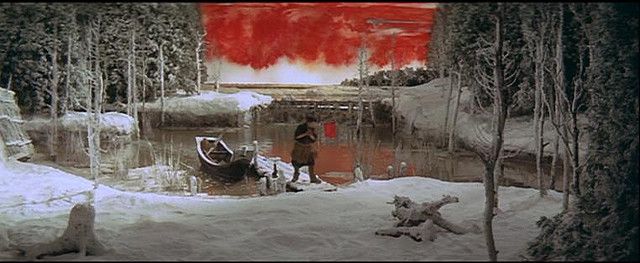
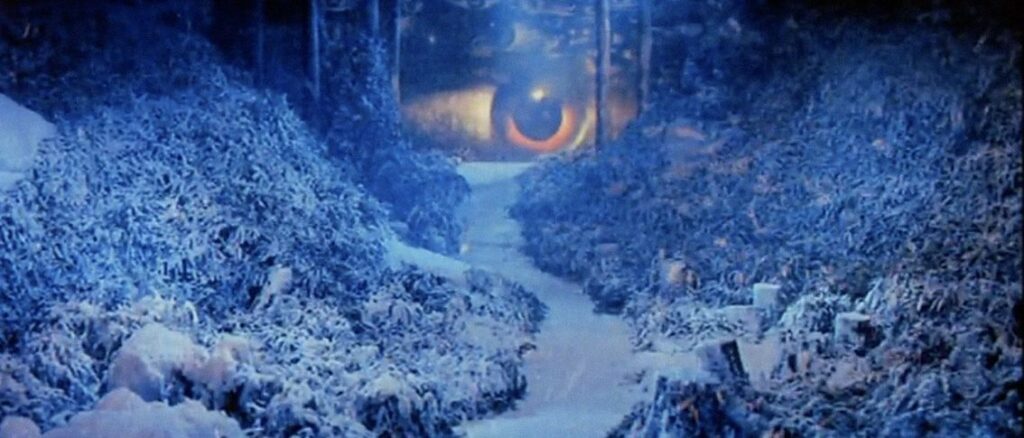
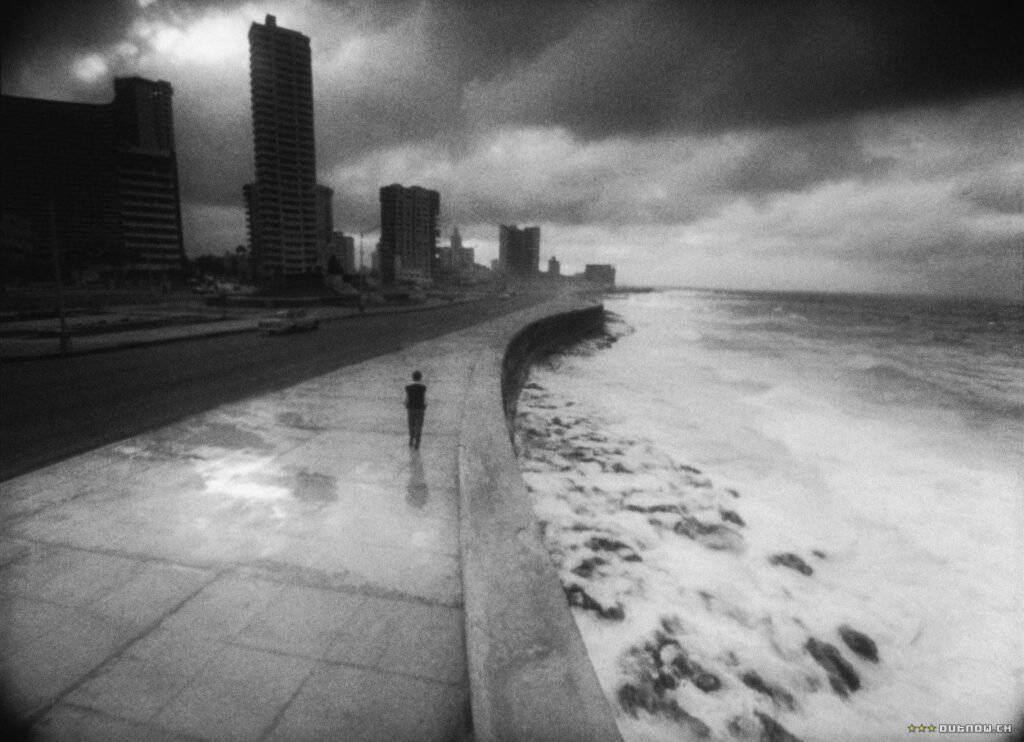
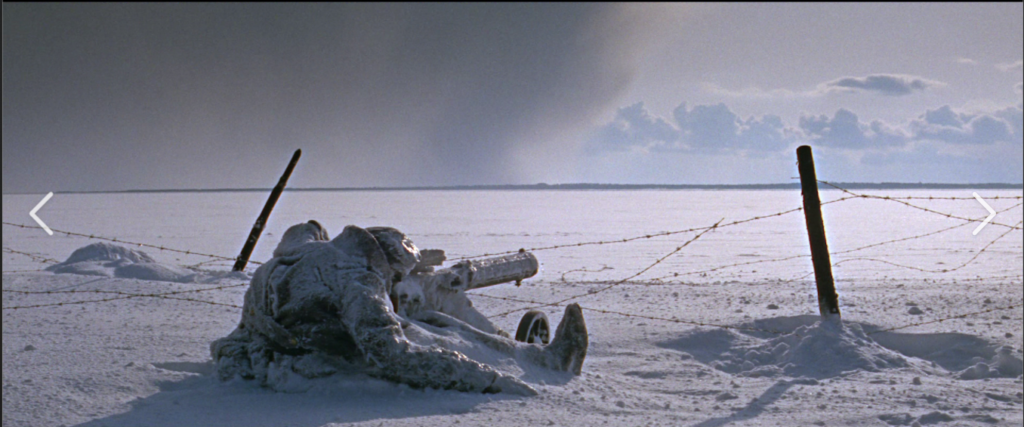
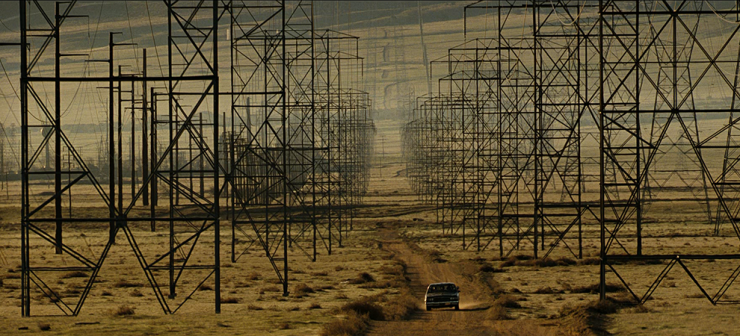
    Even though I wasn’t able to choose only one shot from these movies I wanted to recognize the cinematography of ‘Far From Heaven’, ‘The Thin Red Line’, ‘All That Heaven Allows’, ‘Blood and Black Lace’, ‘The Umbrellas of Cherbourg’, and ‘Goodbye, Dragon Inn’ as fantastic

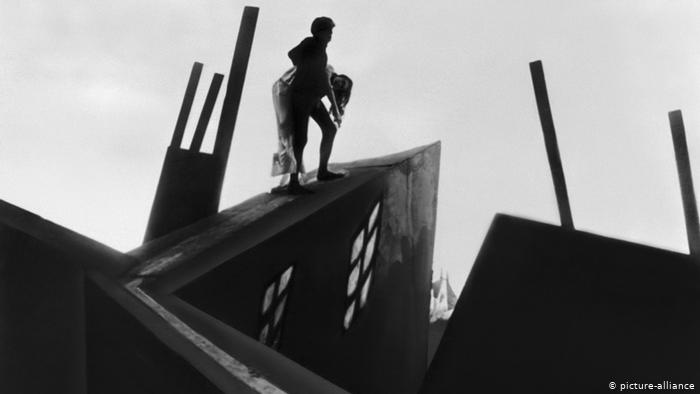
    The Cabinet of Dr. Caligari (1920)

    ‘The Cabinet of Dr. Caligari’

    Director: Robert Wiene

    Cinematographer: Willy Hameister

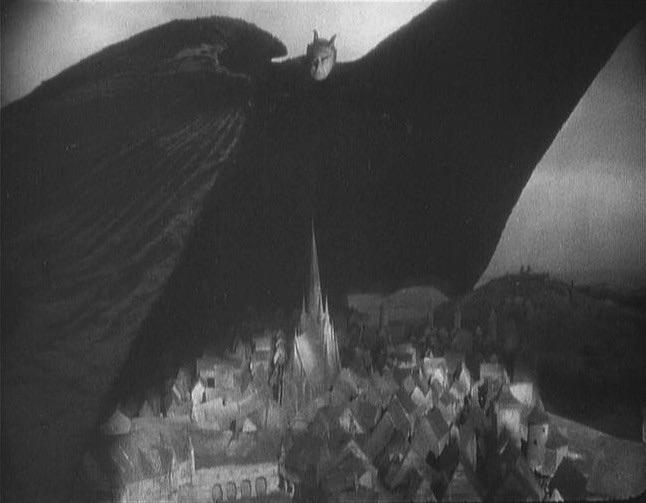
    Faust (1926)

    ‘Faust’ (Universum Film)

    Director: F.W. Murnau

    Cinematographer: Carl Hoffmann

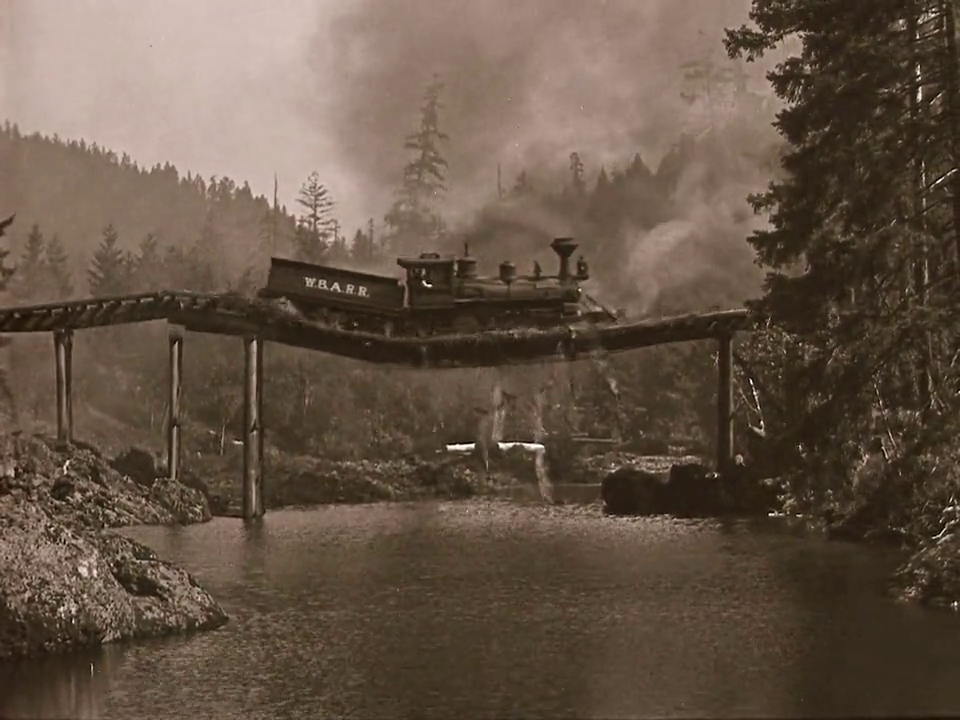
    The General (1926)

    ‘The General’ (United Artists)

    Director: Buster Keaton and Clyde Bruckman

    Cinematographer: Bert Haines and Devereaux Jennings

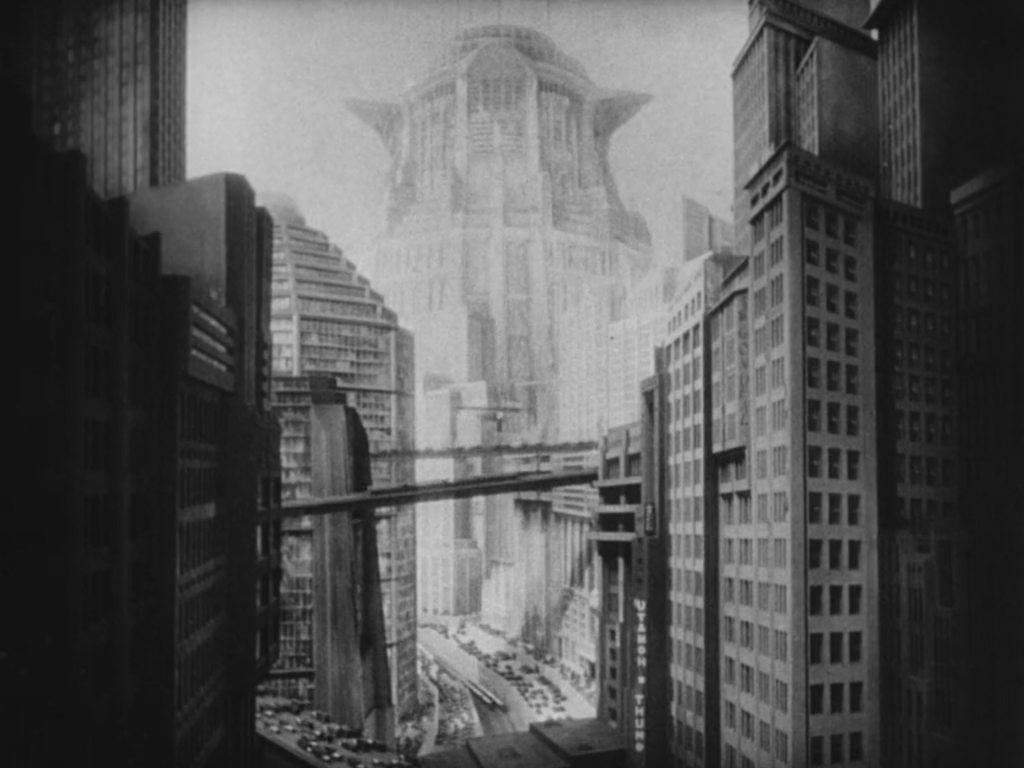
    Metropolis (1927)

    Director: Fritz Lang

    Cinematographer: Karl Freund. Gunther Rittau, Walter Ruttman

    Earth (1930)

    ‘Earth’ (Amkino)

    Director: Aleksandr Dovzhenko

    Cinematographer: Daniil Demutsky

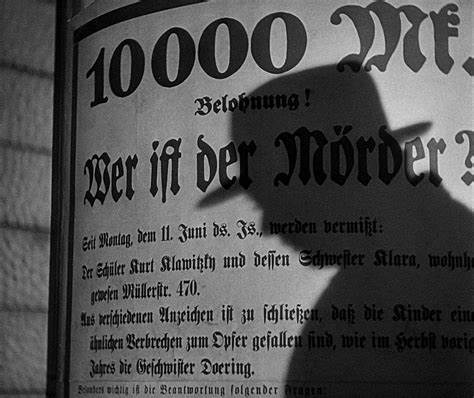
    M (1931)

    ‘M’ (Vereinigte)

    Director: Fritz Lang

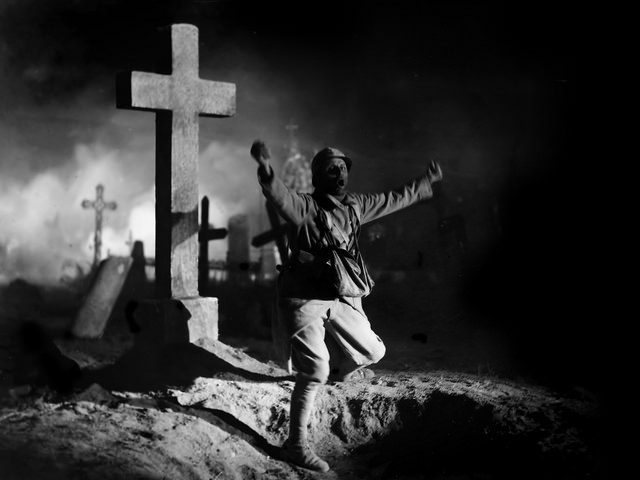
    Wooden Crosses (1932)

    ‘Wooden Crosses’ (Pathe-Natan)

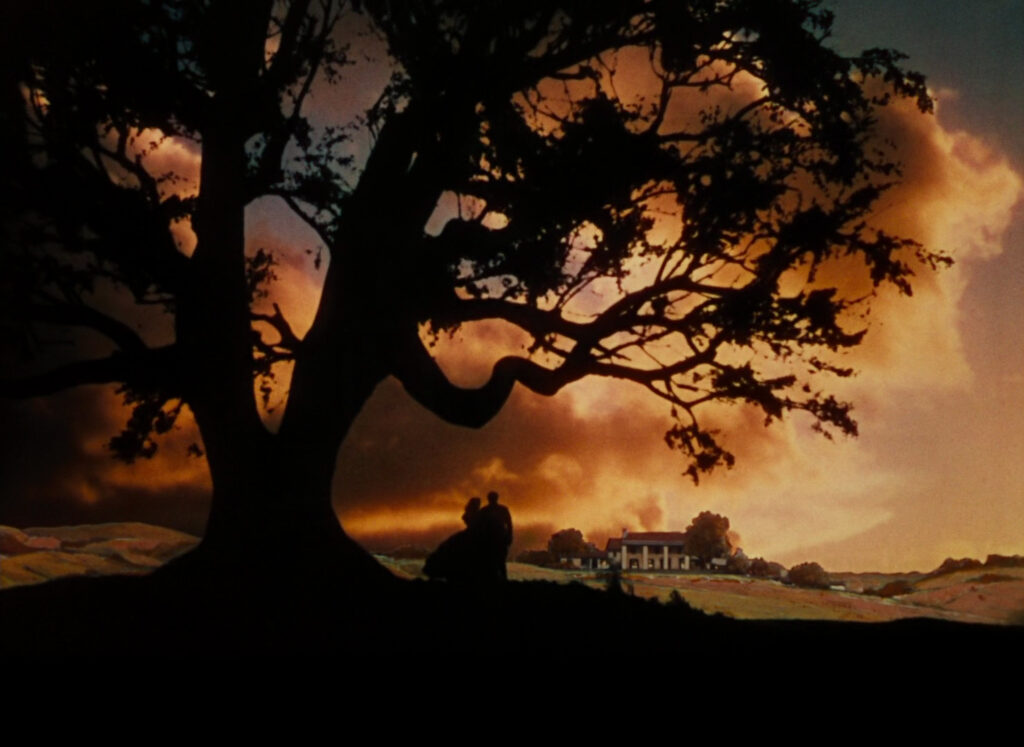
    Gone With the Wind (1939)

    ‘Gone With The Wind’ (MGM)

    The Long Voyage Home (1940)

    ‘The Long Voyage Home’ (United Artists)

    Citizen Kane (1941)

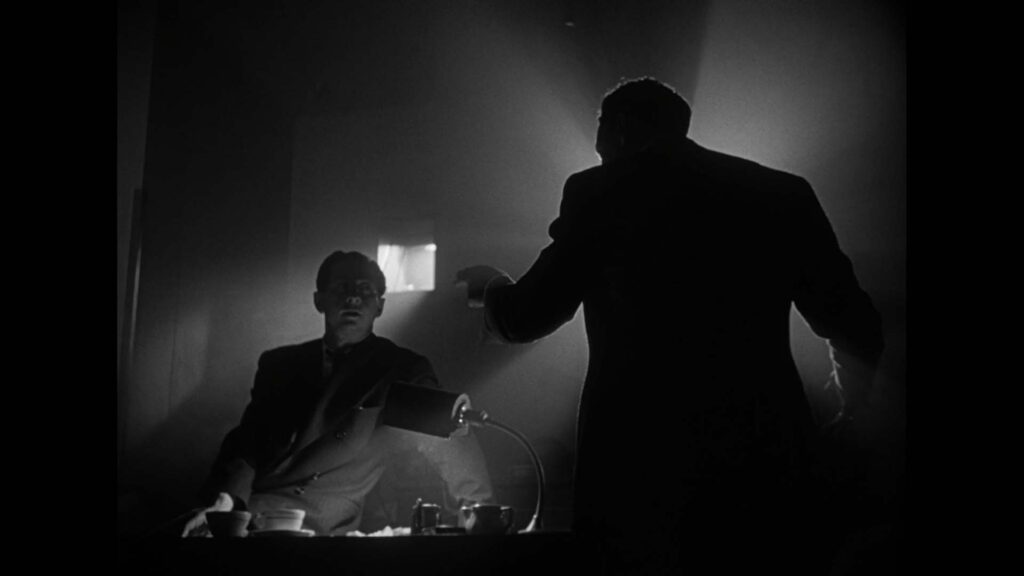
    ‘Citizen Kane’ (RKO Radio)

    Director: Orson Welles

    Cinematographer: Gregg Toland

    Casablanca (1942)

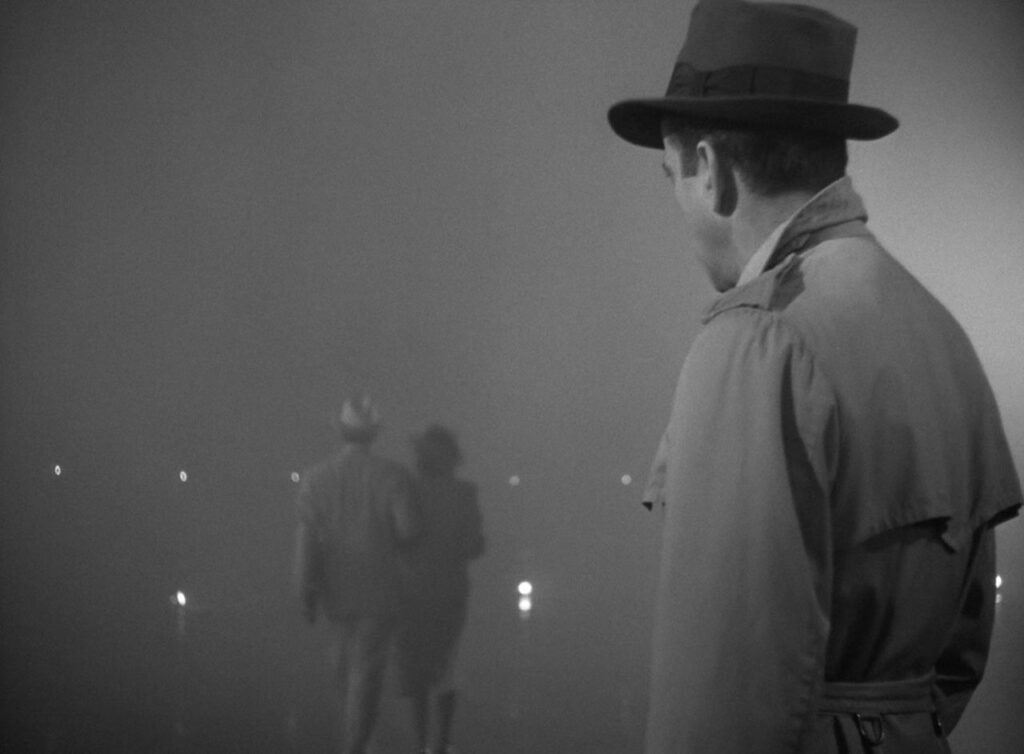
    ‘Casablanca’ (Warner Bros.)

    Day of Wrath (1943)

    ‘Day of Wrath’ (Palladium)

    The Gang’s All Here (1943)

    ‘The Gang’s All Here’ (20th Century Fox)

    Leave Her to Heaven (1945)

    ‘Leave Her to Heaven’ (20th Century Fox)

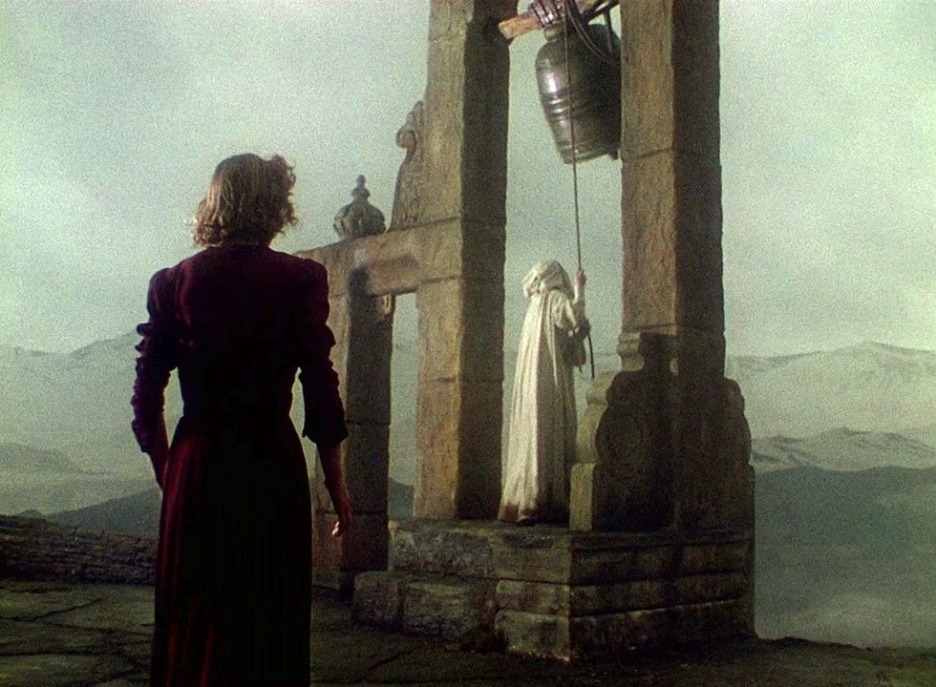
    Black Narcissus (1947)

    ‘Black Narcissus’ (GFD)

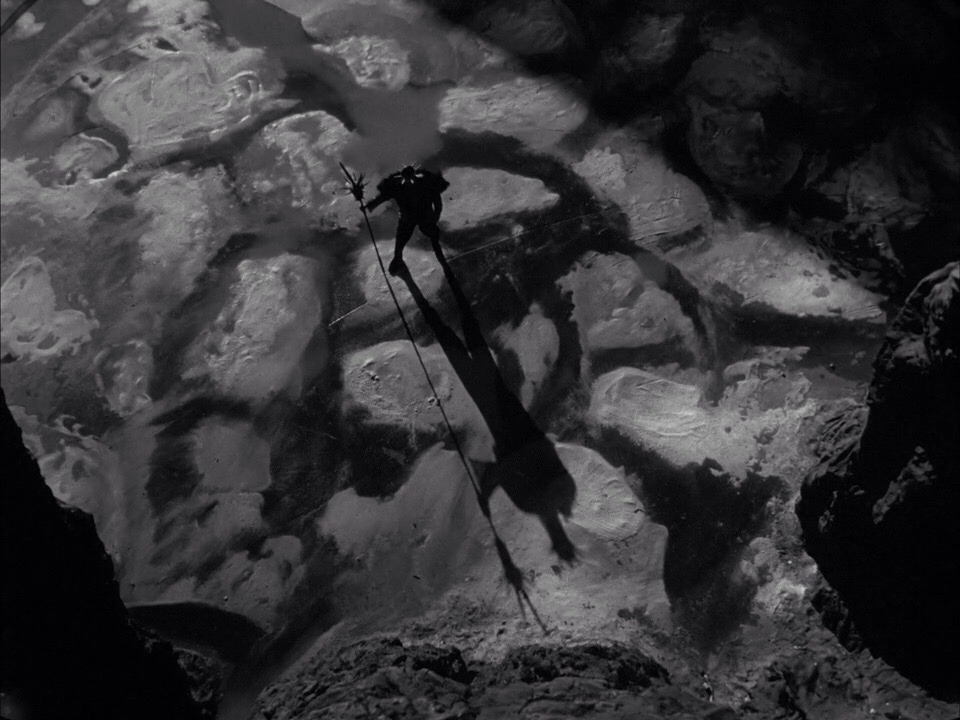
    Macbeth (1948)

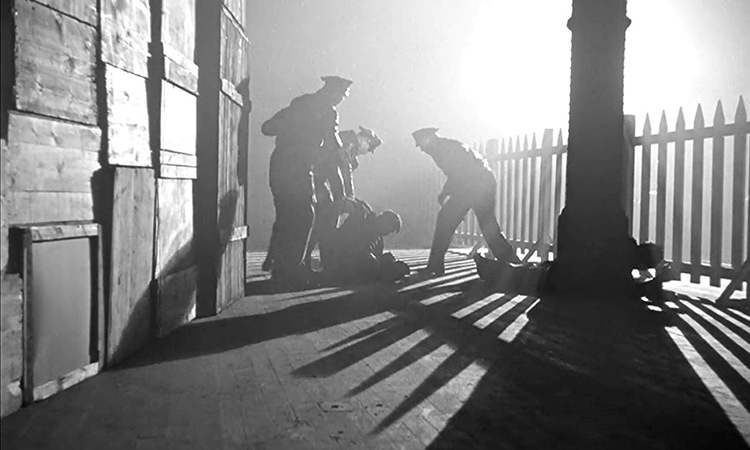
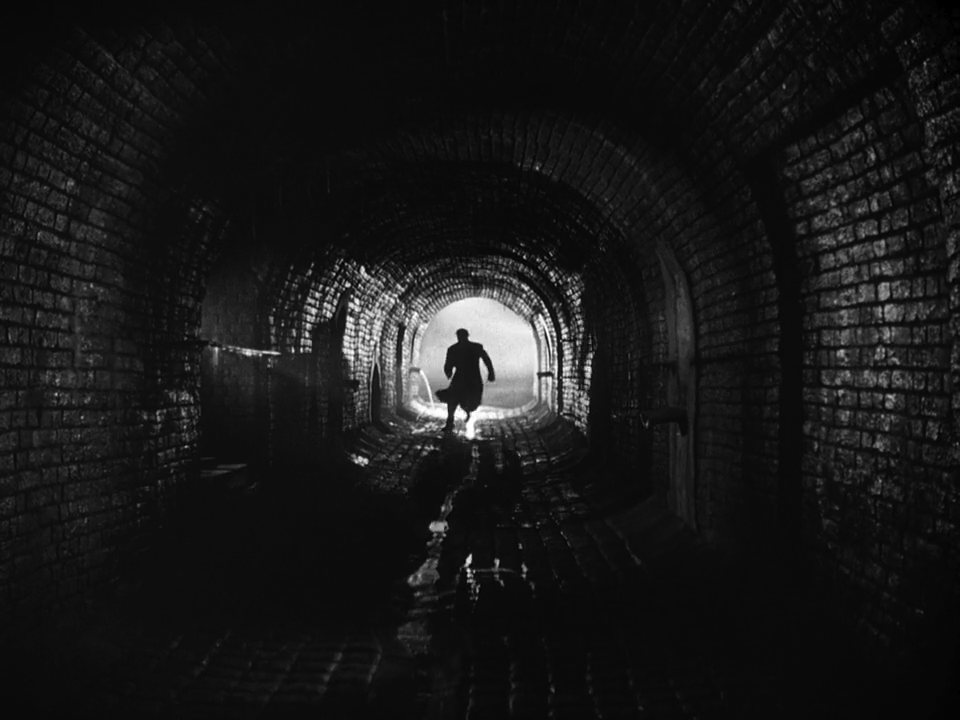
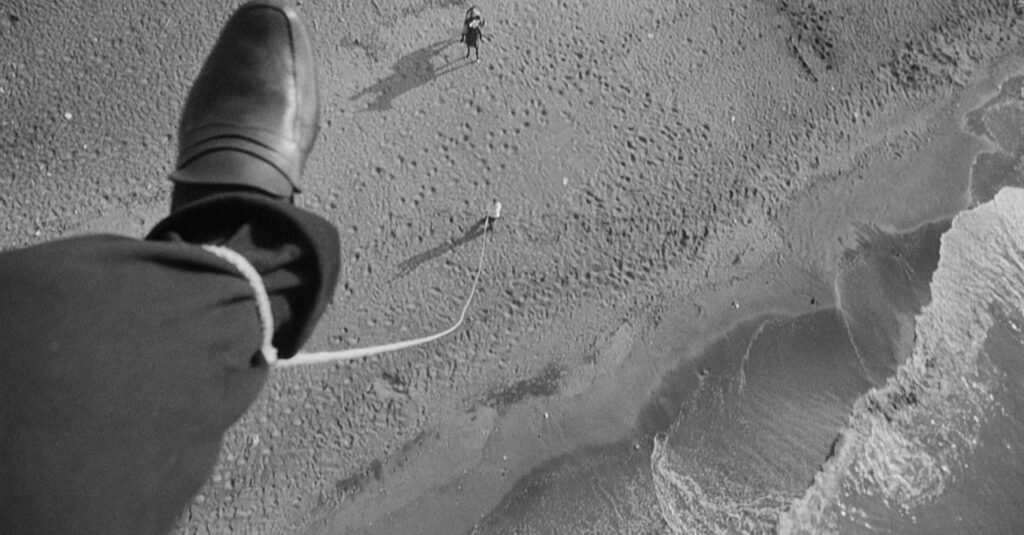
    The Third Man (1949)

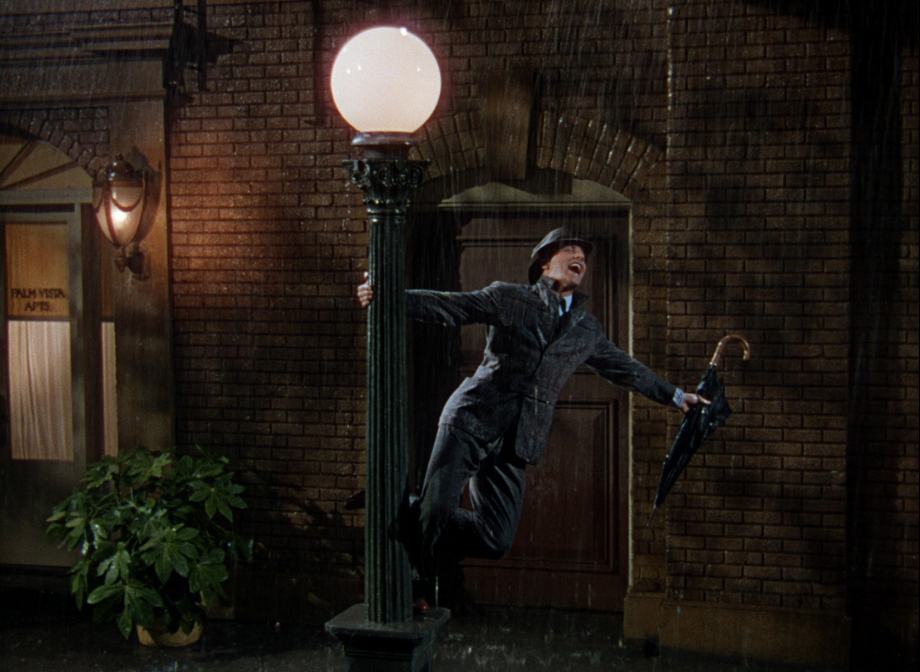
    Singin’ in the Rain (1952)

    ‘Singin in the Rain’ (MGM)

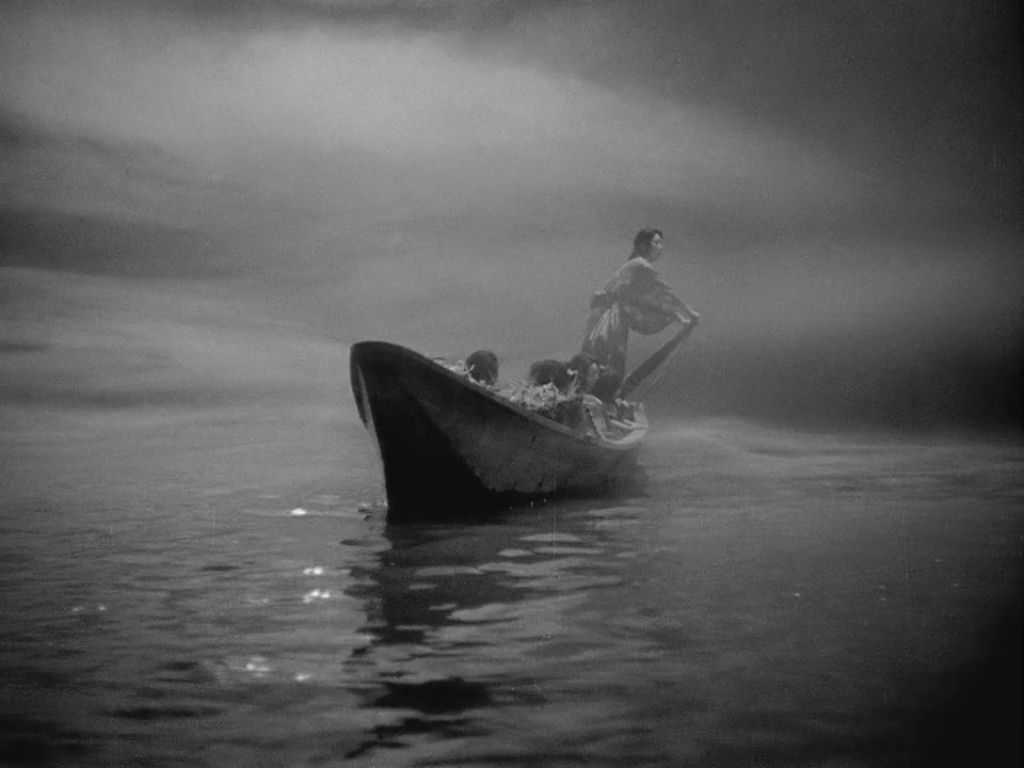
    Ugetsu (1953)

    ‘Ugetsu’ (Daiei)

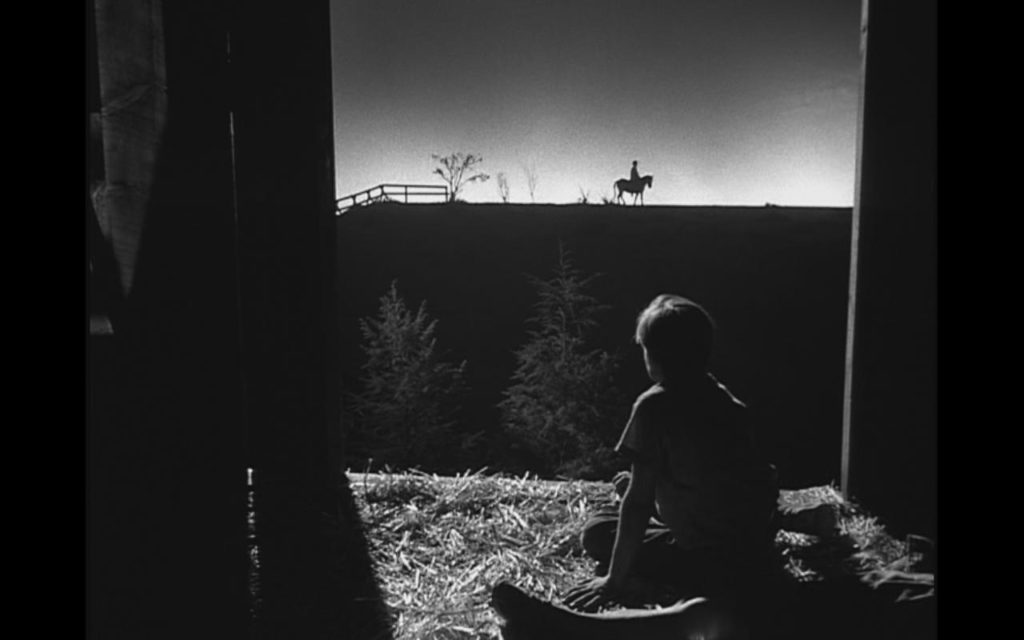
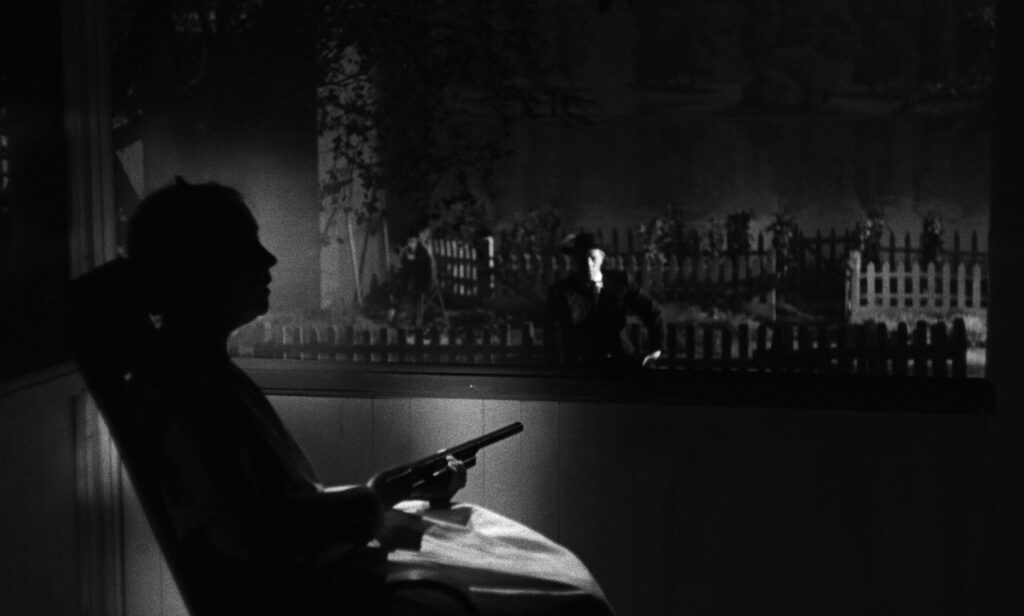
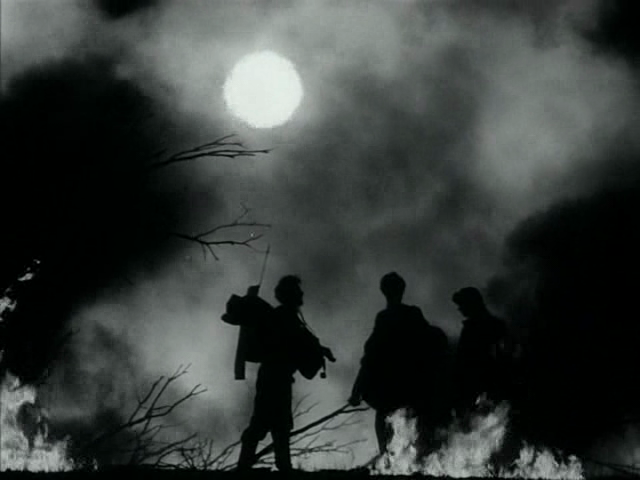
    The Night of the Hunter (1955)

    ‘The Night of the Hunter’ (United Artists)

    Pather Panchali (1955)

    ‘Pather Panchali’ (Curzon)

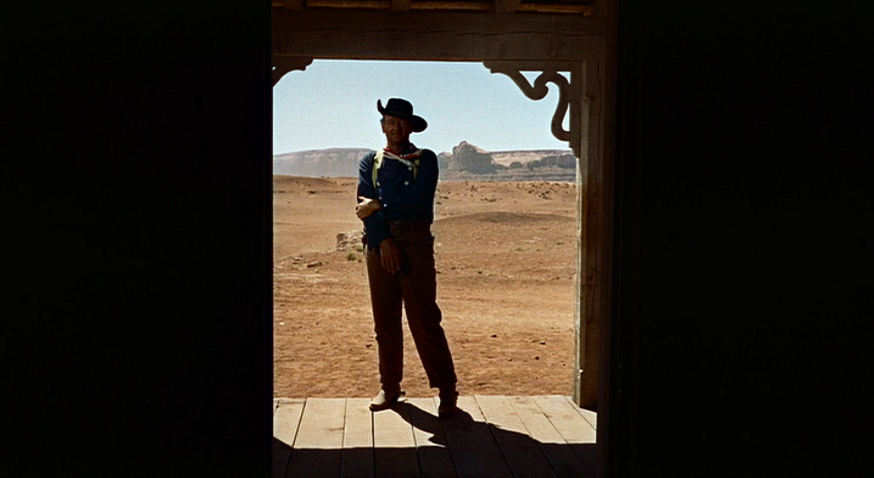
    The Searchers (1956)

    ‘The Searchers’ (Warner Bros.)

    Funny Face (1957)

    ‘Funny Face’ (Paramount)

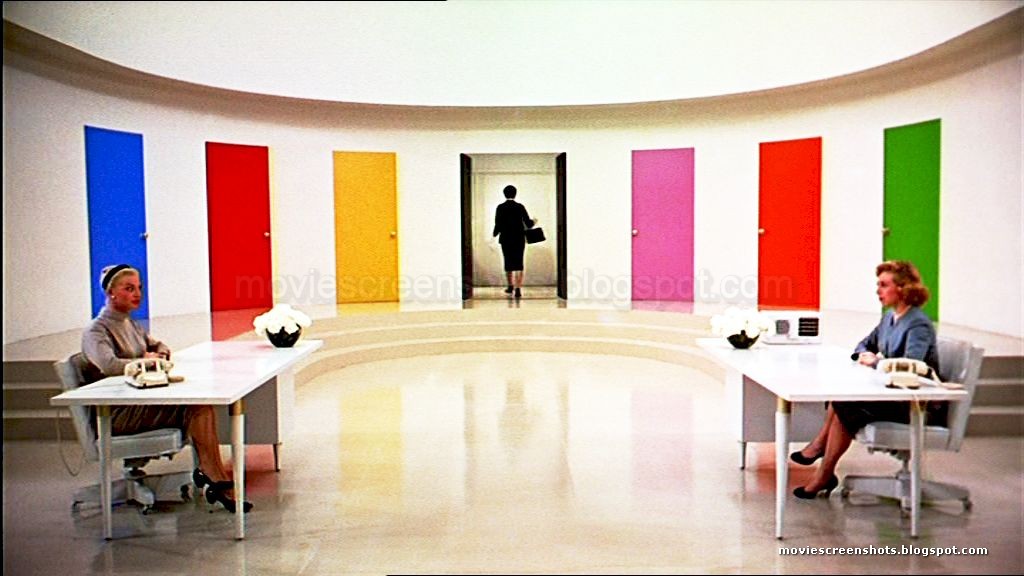
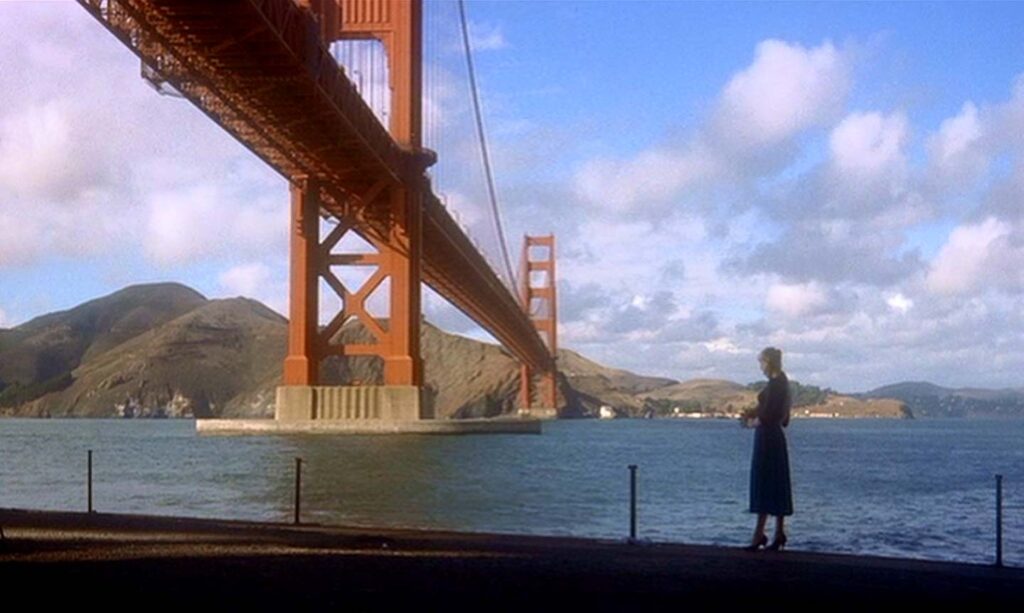
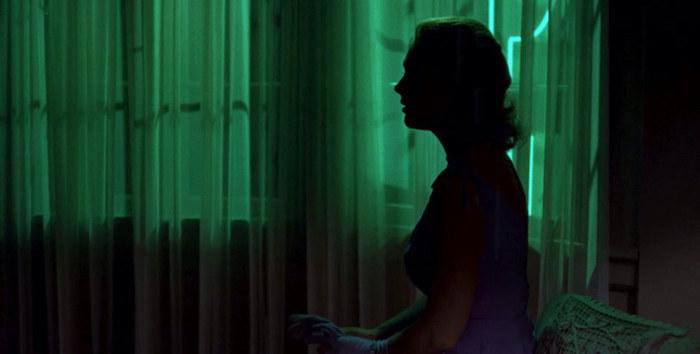
    Vertigo (1958)

    ‘Vertigo’ (Paramount)
    ‘Vertigo’ (Paramount)

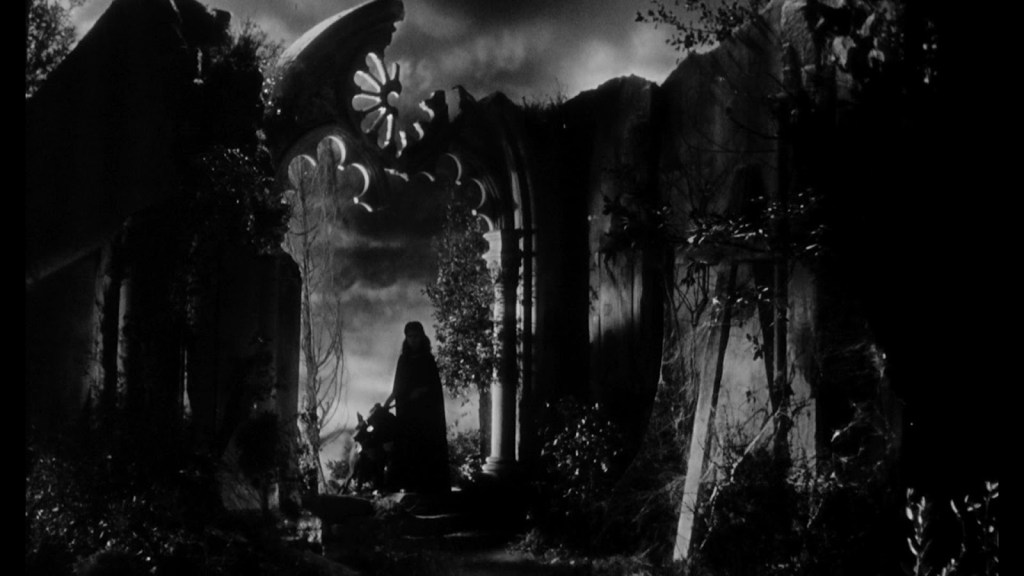
    Black Sunday (1960)

    ‘Black Sunday’ (Unidis)

    La Dolce Vita (1960)

    ‘La Dolce Vita’ (Cineriz)

    Letter Never Sent (1960)

    ‘Letter Never Sent’ (Mosfilm)

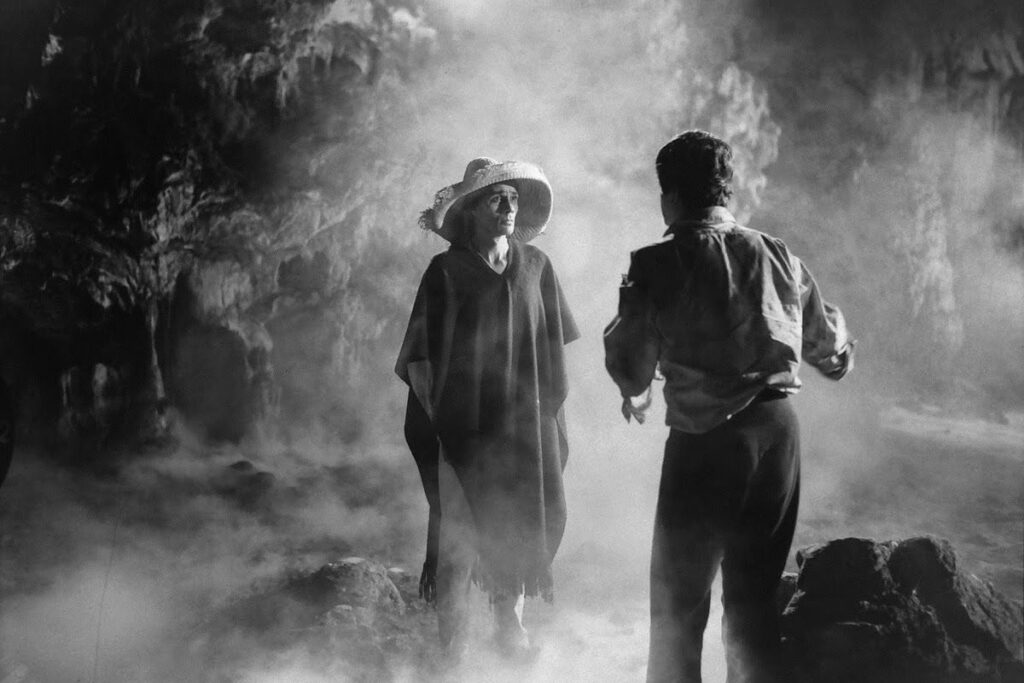
    Macario (1960)

    ‘Macario’ (Azteca)

    Psycho (1960)

    ‘Psycho’ (Paramount)

    The Virgin Spring (1960)

    ‘The Virgin Spring’ (SF-Produktion)

    La Notte (1961)

    ‘La Notte’ (United Artists)

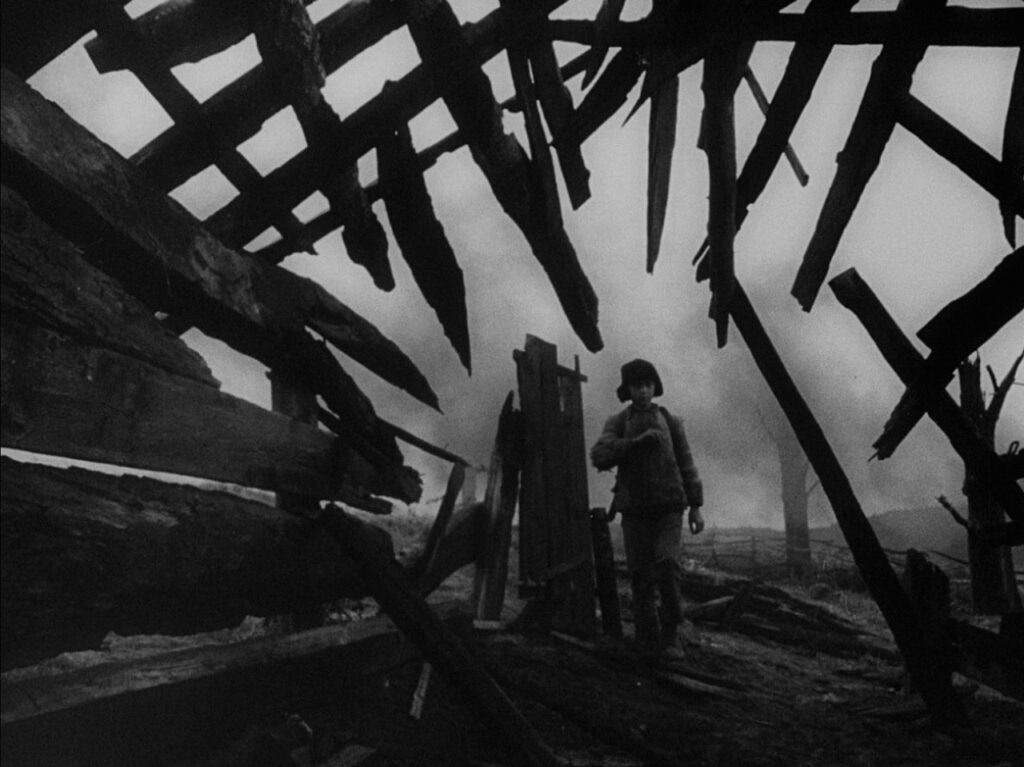
    Ivan’s Childhood (1962)

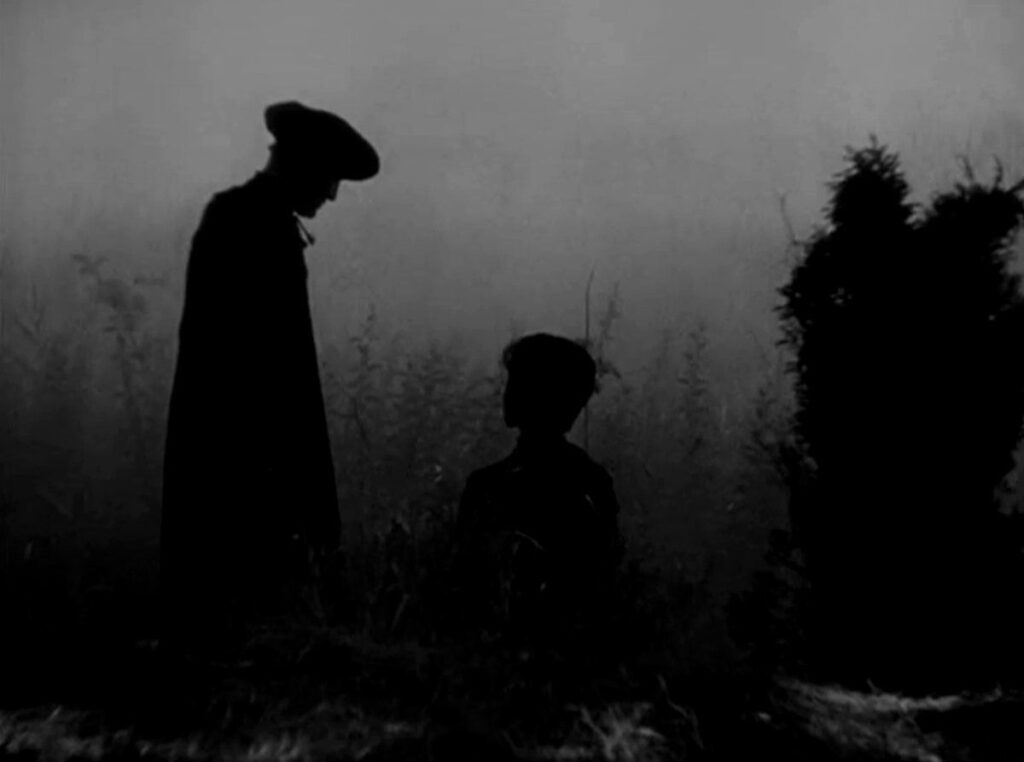
    ‘Ivan’s Childhood’ (Mosfilm)

    8 1/2 (1963)

    ‘8 1/2’ (Cineriz)

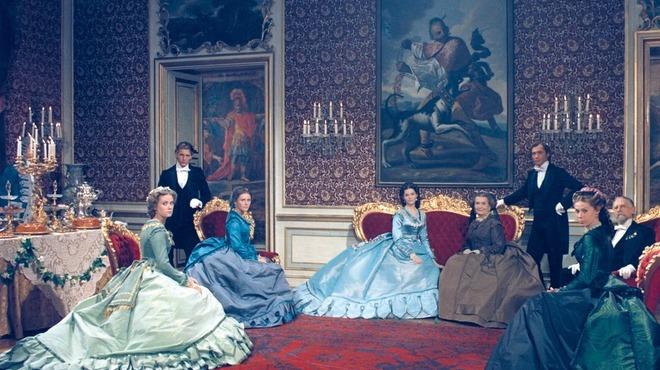
    The Leopard (1963)

    ‘The Leopard’ (Titanus)

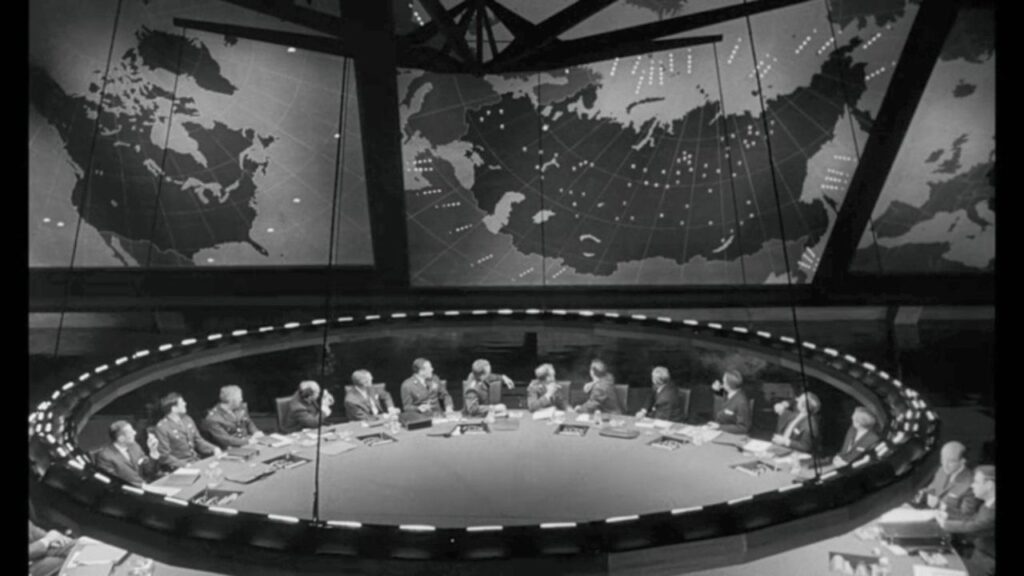
    Dr. Strangelove Or: How I Learned to Stop Worrying and Love the Bomb (1964)

    ‘Dr. Strangelove Or: How I Learned to Stop Worrying and Love the Bomb’ (Columbia)

    Kwaidan (1964)

    ‘Kwaidan’ (Toho)
    ‘Kwaidan’ (Toho)

    Soy Cuba (1964)

    ‘Soy Cuba’ (Mosfilm)

    Doctor Zhivago (1965)

    ‘Doctor Zhivago’ (MGM)

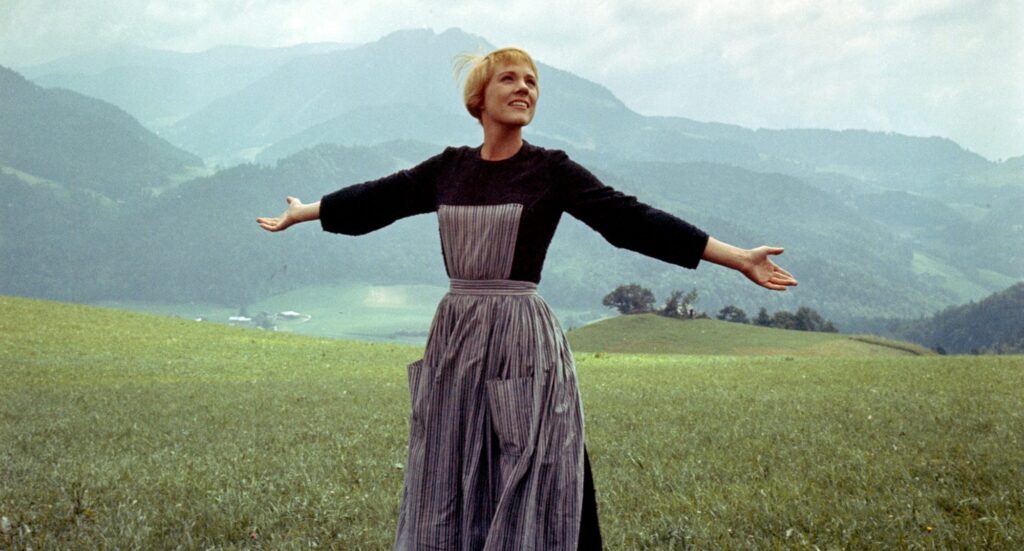
    The Sound of Music (1965)

    ‘The Sound of Music’ (20th Century Fox)

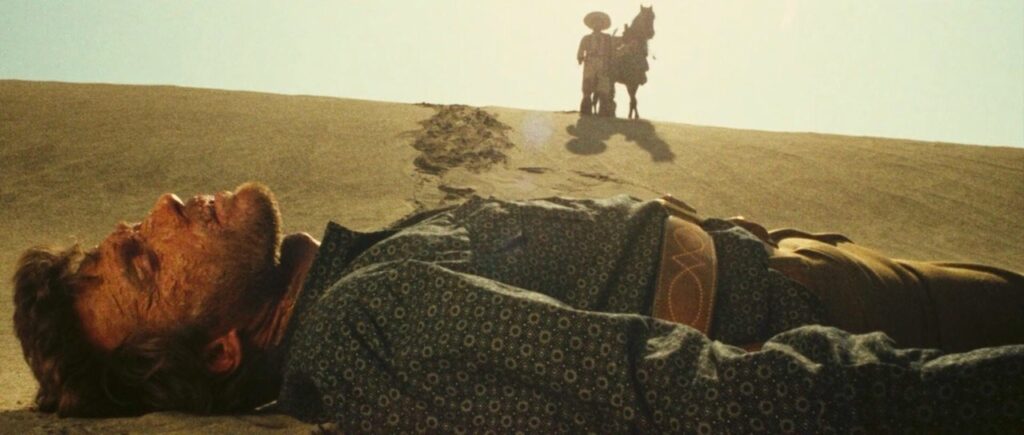
    The Good, the Bad, and the Ugly (1966)

    ‘The Good, the Bad and the Ugly’ (PEA)

    Persona (1966)

    ‘Persona’ (Svensk)

    Cool Hand Luke (1967)

    Marketa Lazarova (1967)

    ‘Marketa Lazarova’ (Barrandov)

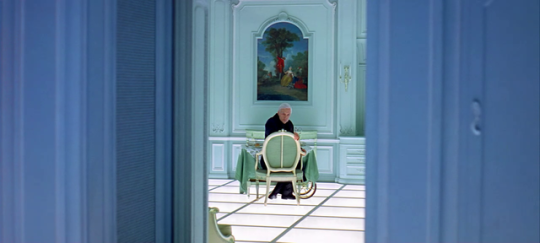
    2001: A Space Odyssey (1968)

    “2001: A Space Odyssey” (MGM)
    “2001: A Space Odyssey” (MGM)

    The Conformist (1970)

    ‘The Conformist’ ()

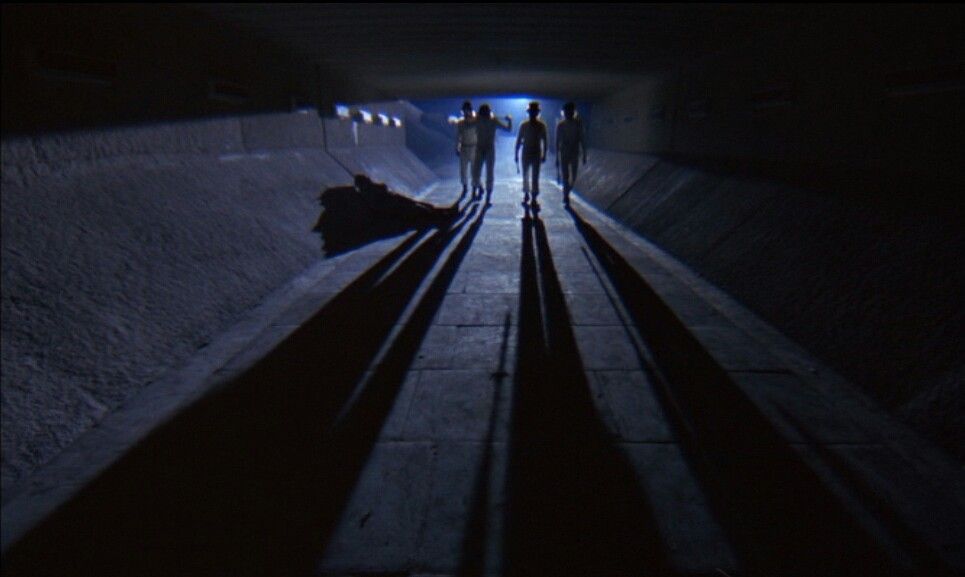
    A Clockwork Orange (1971)

    ‘A Clockwork Orange’ (Warner Bros.)

    Dirty Harry (1971)

    ‘Dirty Harry’ (Warner Bros.)

    Walkabout (1971)

    ‘Walkabout’ (20th Century Fox)

    Cries and Whispers (1972)

    ‘Cries and Whispers’ (Svensk)

    The Godfather (1972)

    ‘The Godfather’ (Paramount)

    The Mechanic (1972)

    ‘The Mechanic’ (1972)

    Solaris (1972)

    ‘Solaris’ (Mosfilm)
    ‘Solaris’ (Mosfilm)

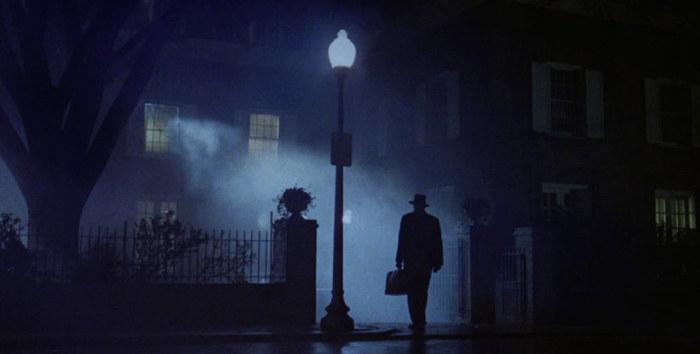
    The Exorcist (1973)

    ‘The Exorcist’ (Warner Bros.)

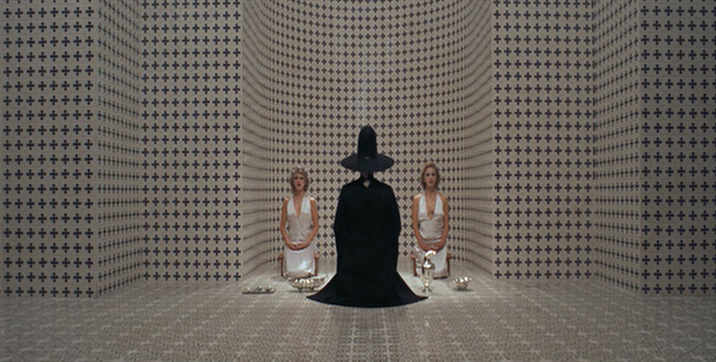
    The Holy Mountain (1973)

    ‘The Holy Mountain’ (ABKCO)

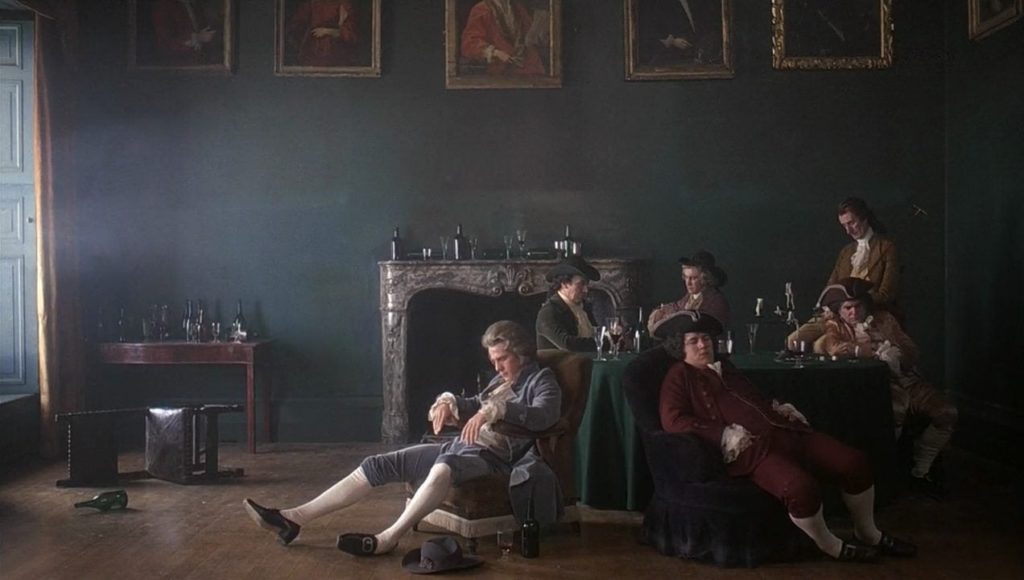
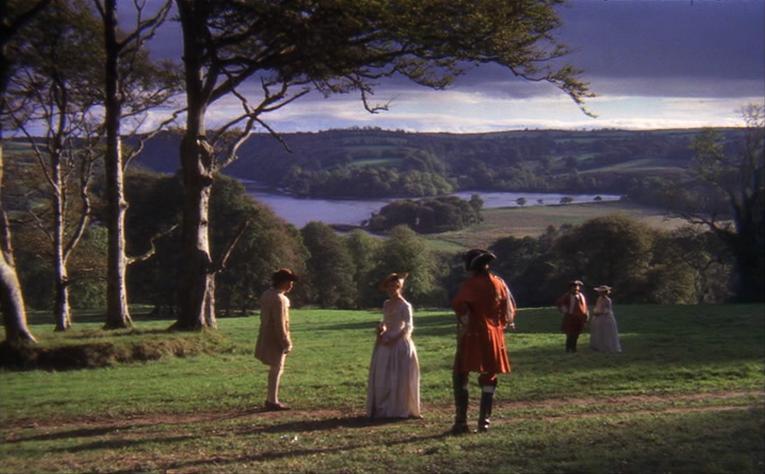
    Barry Lyndon (1975)

    ‘Barry Lyndon’ (Warner Bros.)
    ‘Barry Lyndon’ (Warner Bros.)

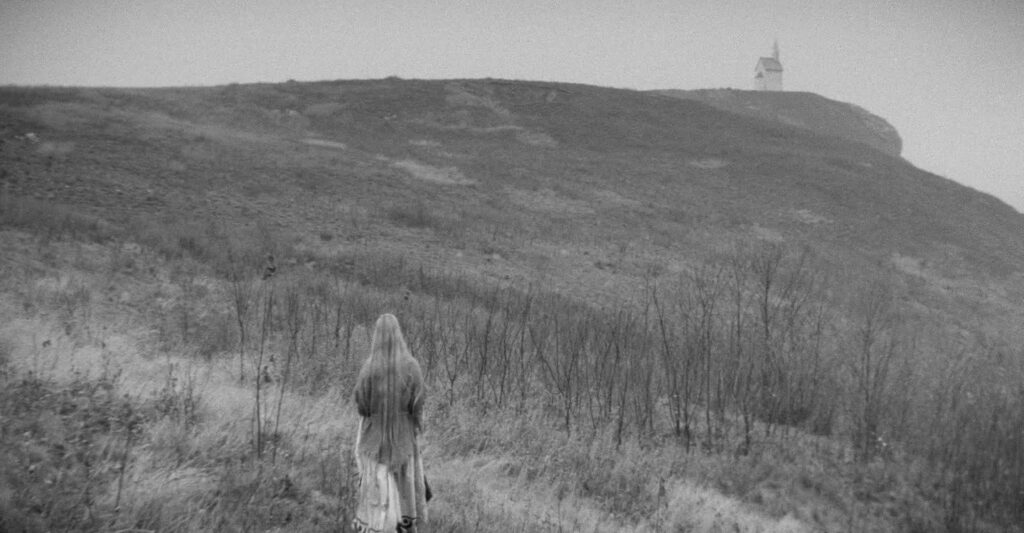
    The Mirror (1975)

    ‘The Mirror’ ()

    My American Friend (1977)

    ‘The American Friend’ (Cinegate)

    Star Wars (1977)

    See the source image
    ‘Star Wars’ (20th Century Fox)

    Suspiria (1977)

    ‘Suspiria’ (Seda Spettacoli)

    Days of Heaven (1978)

    ‘Days of Heaven’ ()

    The Deer Hunter (1978)

    ‘The Deer Hunter’ (Universal)

    Alien (1979)

    ‘Alien’ (20th Century Fox)

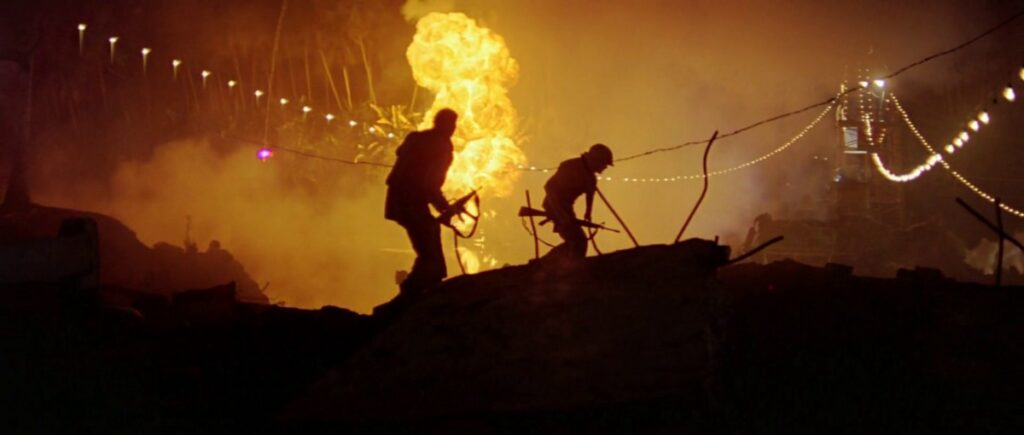
    Apocalypse Now (1979)

    ‘Apocalypse Now’ (United Artists)

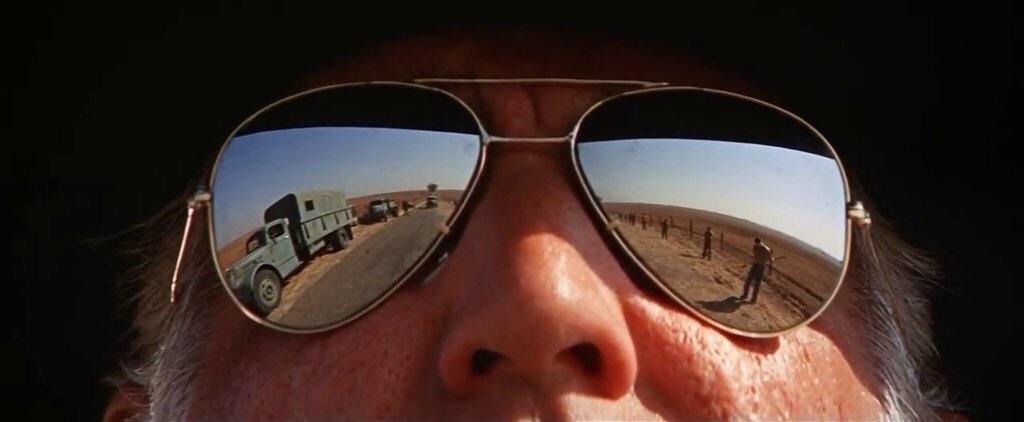
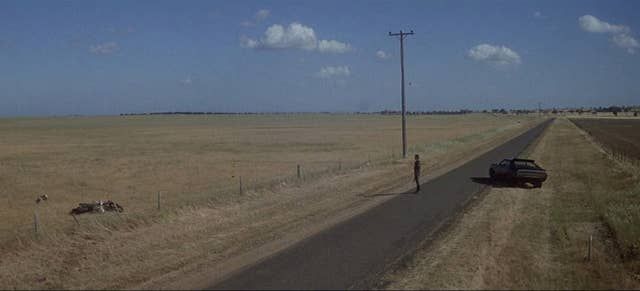
    Mad Max (1979)

    ‘Mad Max’ (Roadshow)

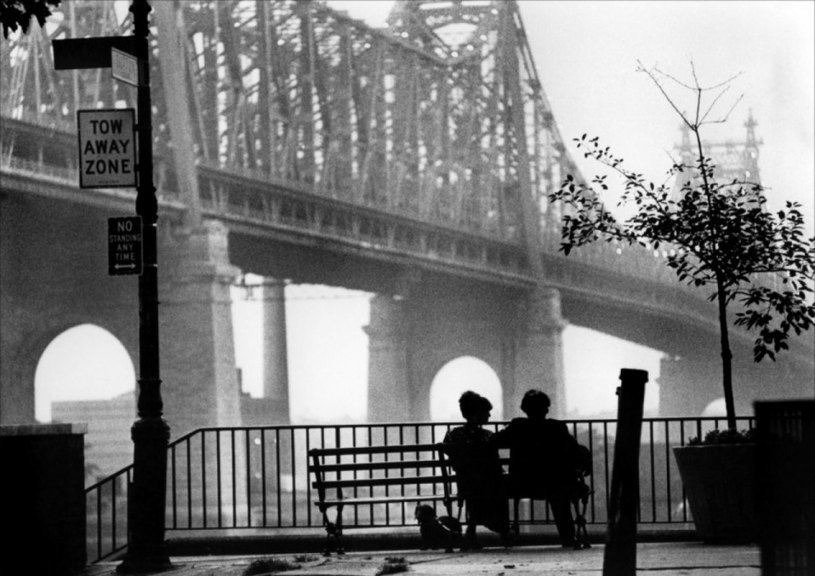
    Manhattan (1979)

    ‘Manhattan’ (United Artists)

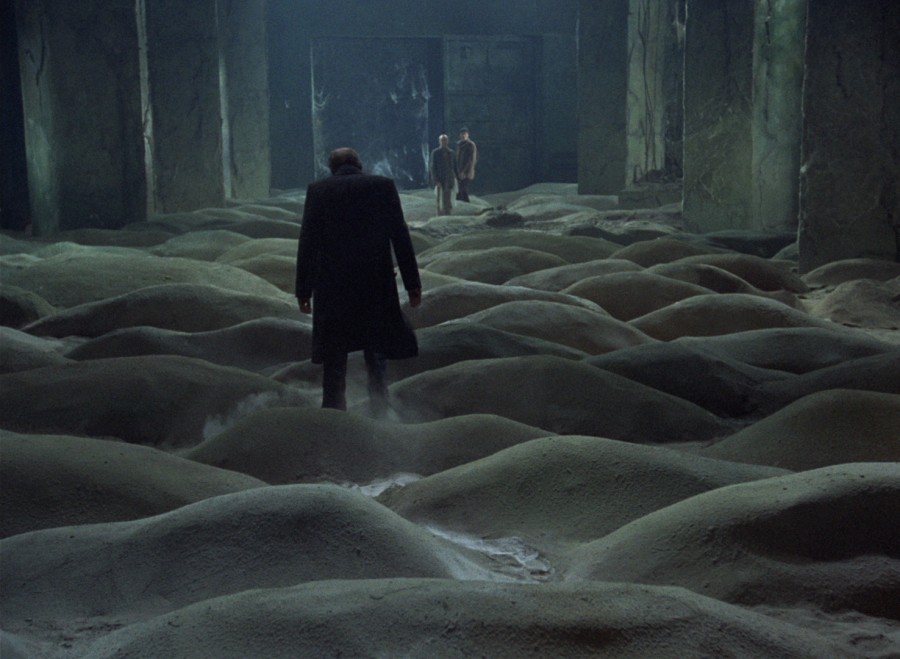
    Stalker (1979)

    ‘Stalker’ (Mosfilm)

    Raging Bull (1980)

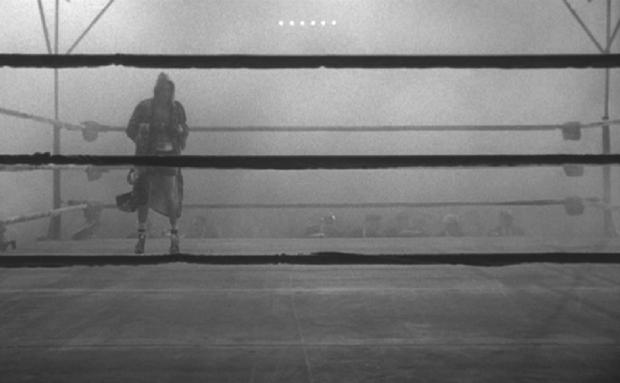
    ‘Raging Bull’ (United Artists)

    The Shining (1980)

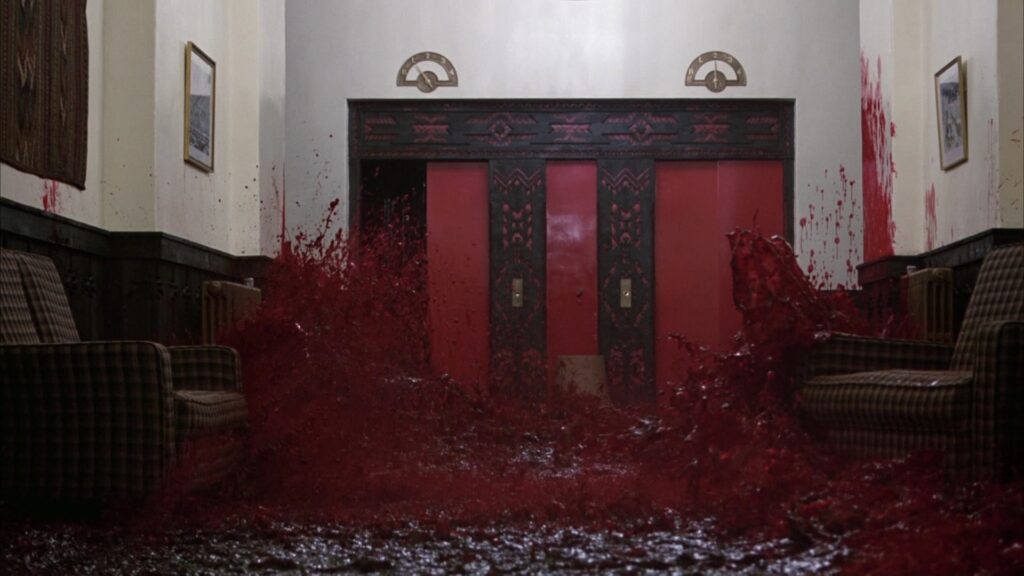
    ‘The Shining’ (Warner Bros.)
    ‘The Shining’ (Warner Bros.)

    The Empire Strikes Back (1980)

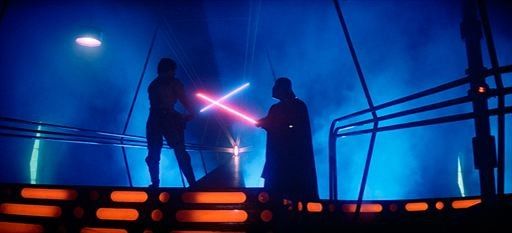
    ‘Empire Strikes Back’ (20th Century Fox)
    ‘Empire Strikes Back’ (20th Century Fox)

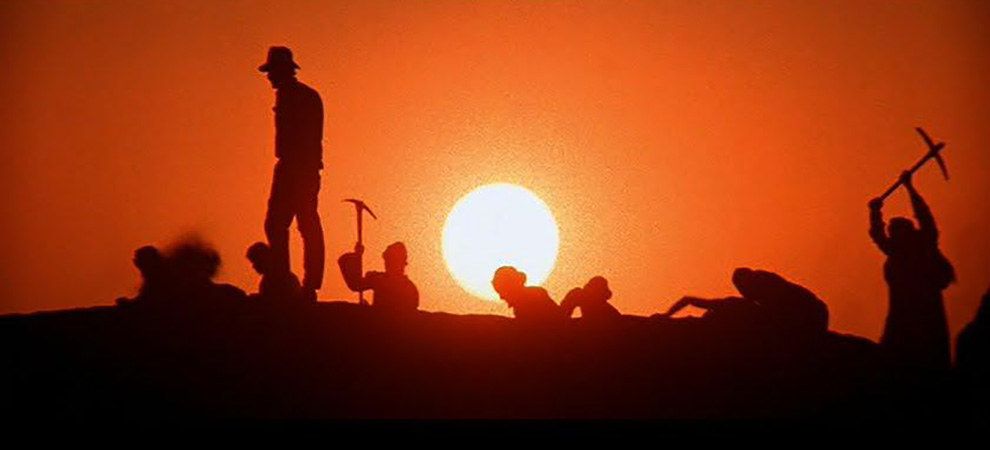
    Raiders of the Lost Ark (1981)

    ‘Raiders of the Lost Ark’ (Paramount)

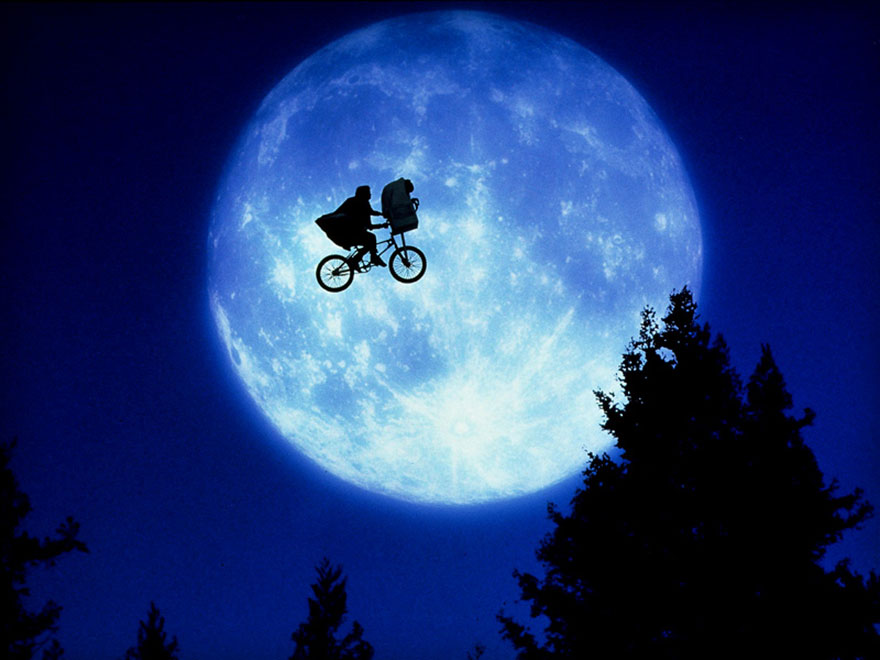
    E.T. the Extra-Terrestrial (1982)

    ‘E.T. the Extra-Terrestrial’ (Universal)

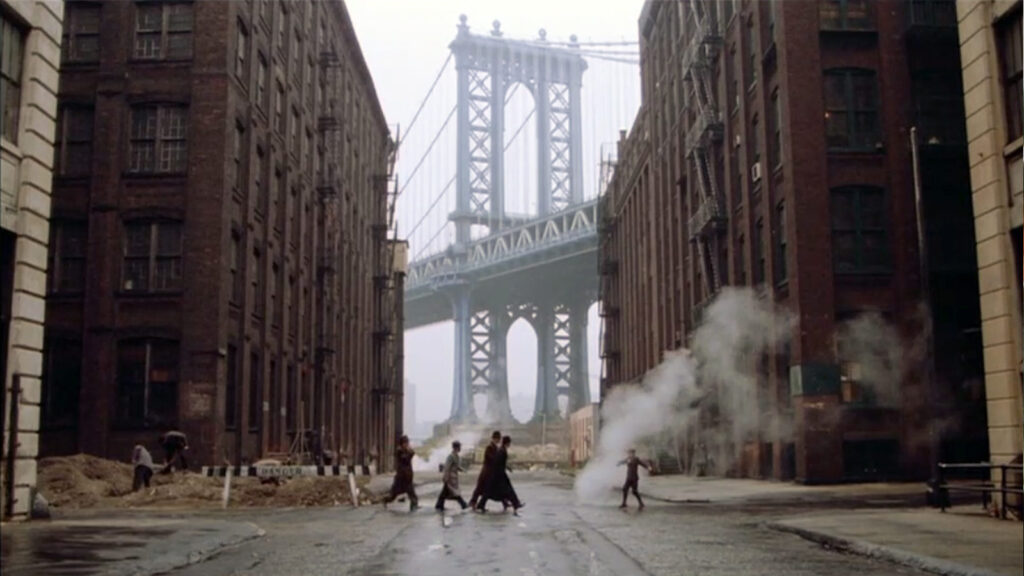
    Once Upon a Time in America (1984)

    ‘Once Upon a Time in America’ (Warner Bros.)The Princess Bride (1987)

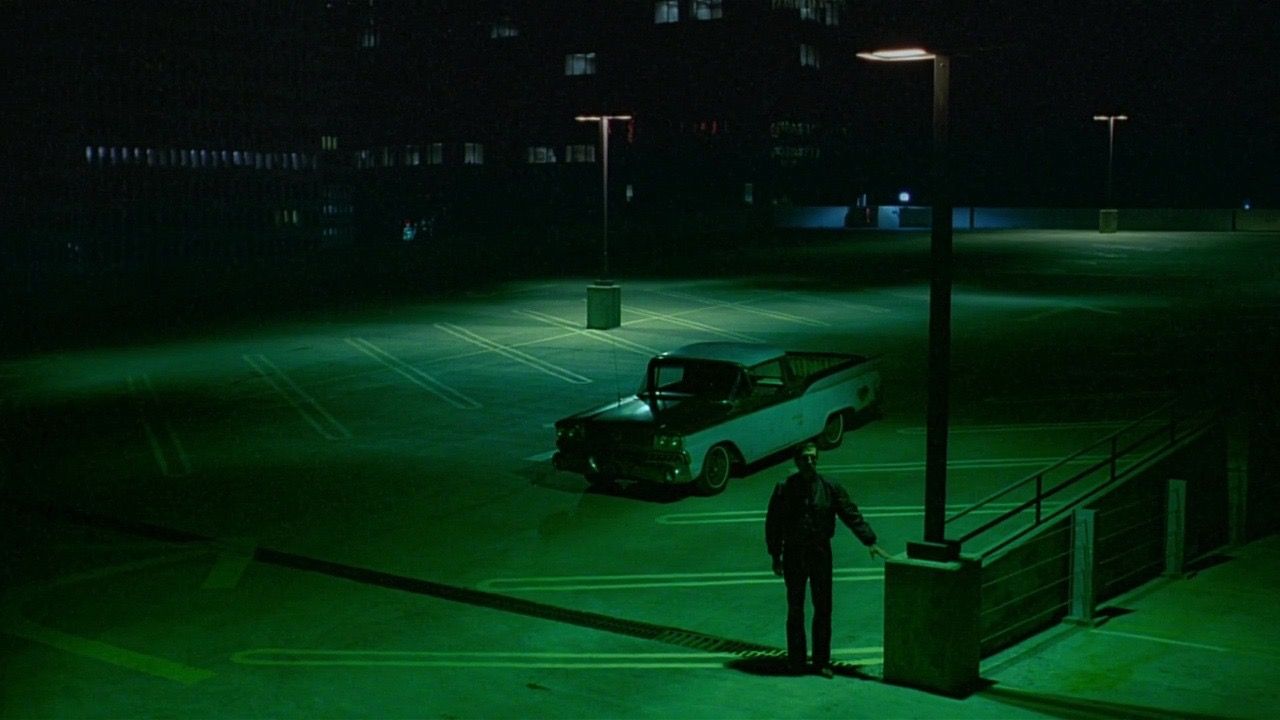
    Paris, Texas (1984)

    ‘Paris, Texas’ (20th Century Fox)

    Blue Velvet (1986)

    ‘Blue Velvet’ (DEG)

    Manhunter (1986)

    ‘Manhunter’ (DEG)

    Mirch Masala (1986)

    ‘Mirch Masala’ (NFDC)

    The Princess Bride (1987)

    ‘The Princess Bride’ (20th Century Fox)

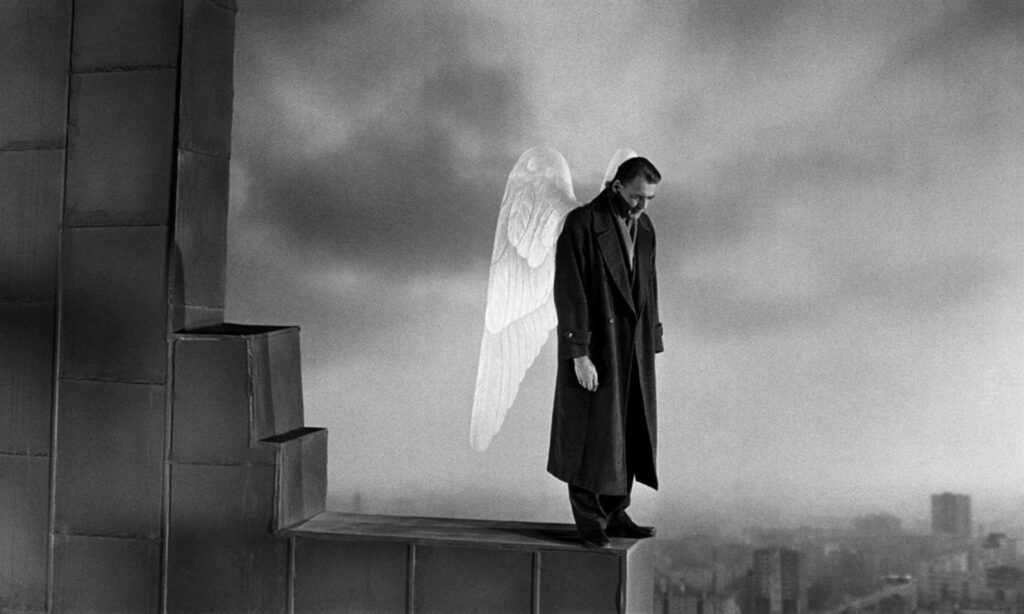
    Wings of Desire (1987)

    ‘Wings of Desire’ (Orion)

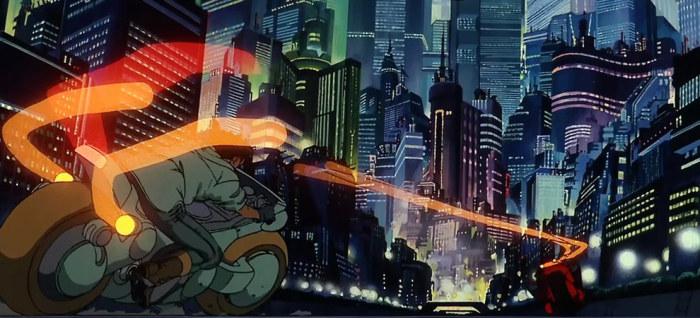
    Akira (1988)

    ‘Akira’ (Toho)

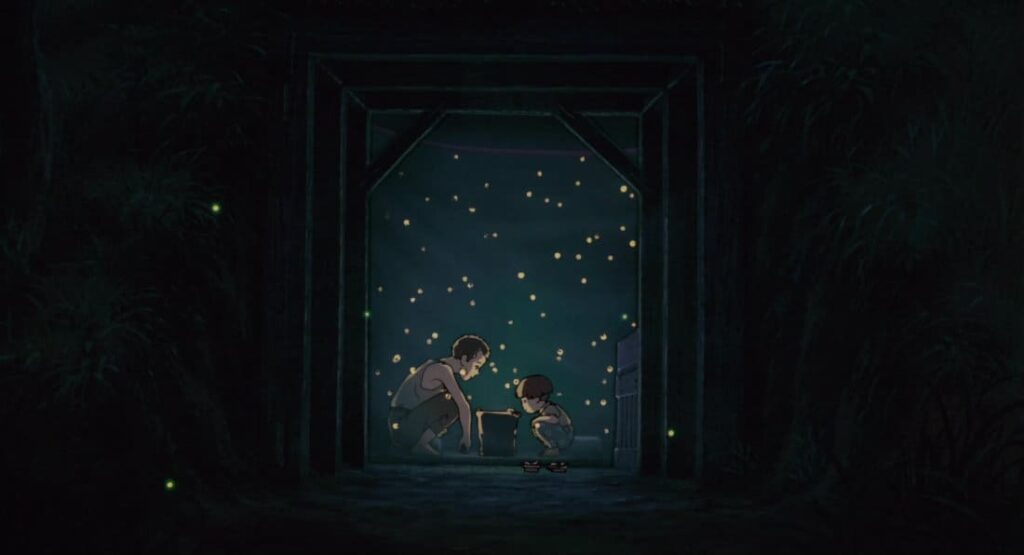
    Grave of the Fireflies (1988)

    ‘Grave of the Fireflies’ (Studio Ghibli)
    ‘Grave of the Fireflies’ (Studio Ghibli)

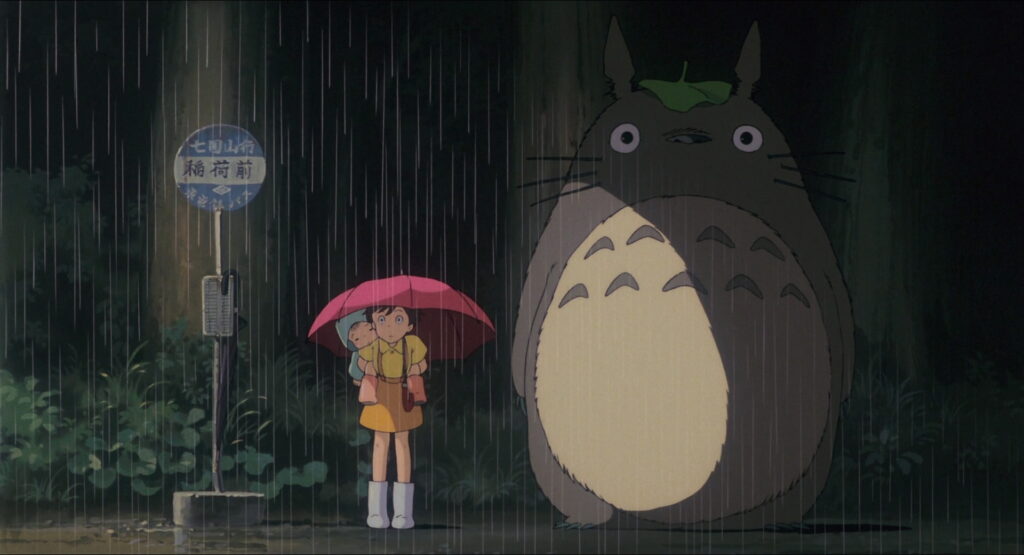
    My Neighbor Totoro (1988)

    ‘My Neighbor Totoro’ (Studio Ghibli)

    Dreams (1990)

    ‘Dreams’ (Warner Bros.)

    Goodfellas (1990)

    ‘Goodfellas’ (Warner Bros.)

    Miller’s Crossing (1990)

    ‘Miller’s Crossing’ (20th Century Fox)

    Raise the Red Lantern (1991)

    ‘Raise the Red Lantern’ (Momentum)

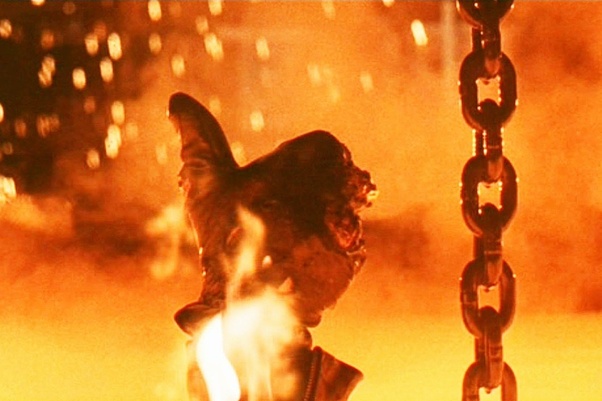
    Terminator 2: Judgement Day (1991)

    ‘Terminator 2: Judgement Day’ (Tristar)

    Thelma + Louise (1991)

    ‘Thelma and Louise’ (MGM)

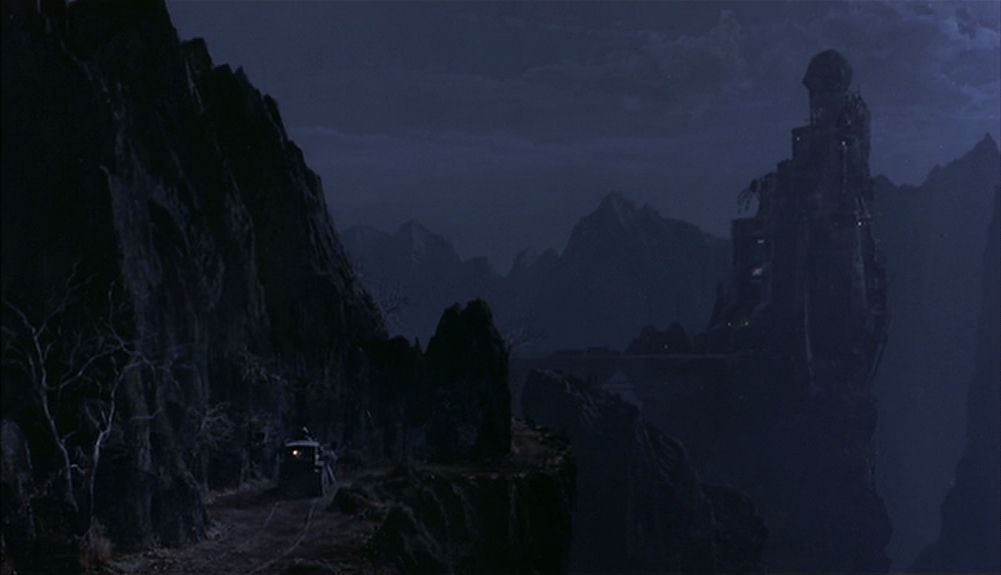
    Bram Stoker’s Dracula (1992)

    ‘Bram Stoker’s Dracula’ (Columbia)

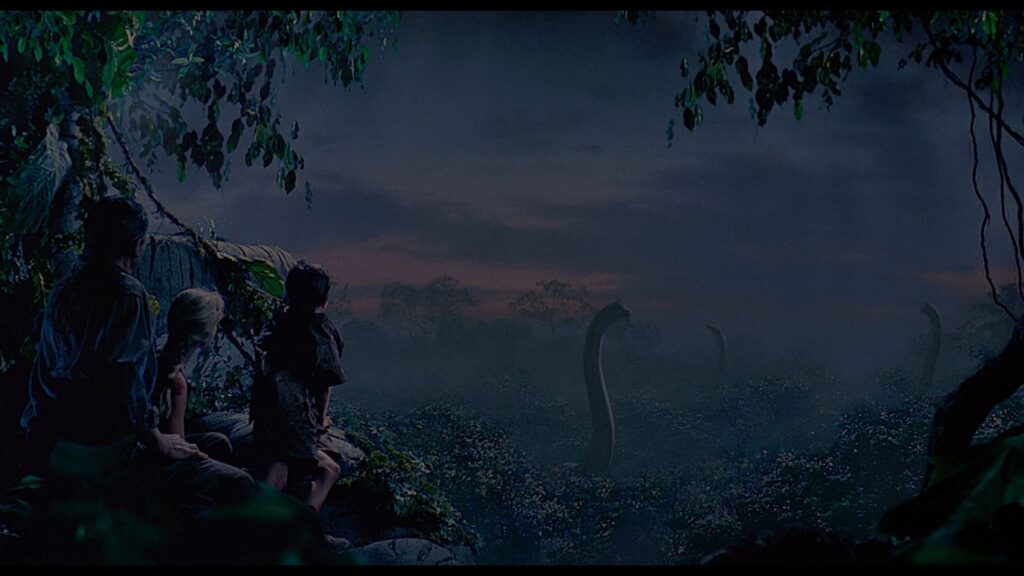
    Jurassic Park (1993)

    ‘Jurassic Park’ (Universal)

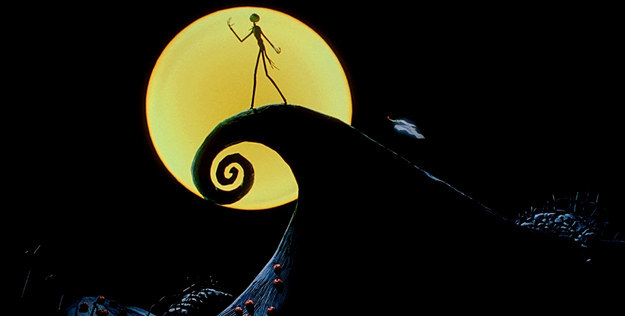
    The Nightmare Before Christmas (1993)

    ‘The Nightmare Before Christmas’ (Disney/Touchstone)

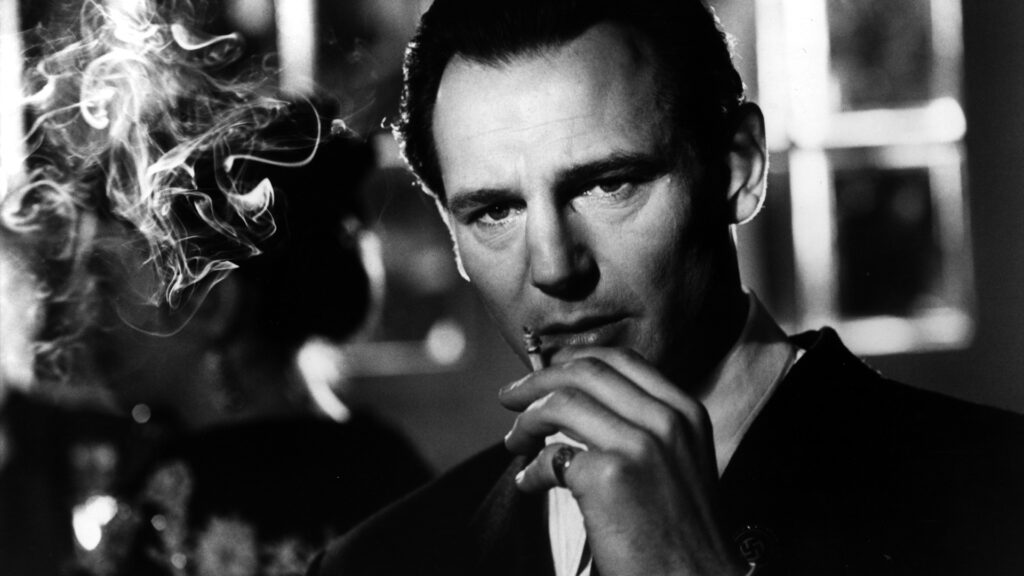
    Schindler’s List (1993)

    ‘Schindler’s List’ (Universal)

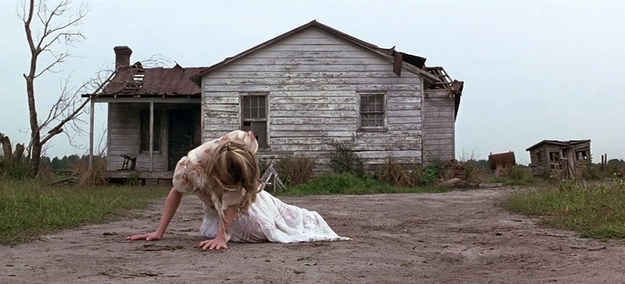
    Forrest Gump (1994)

    ‘Forrest Gump’ (Paramount)

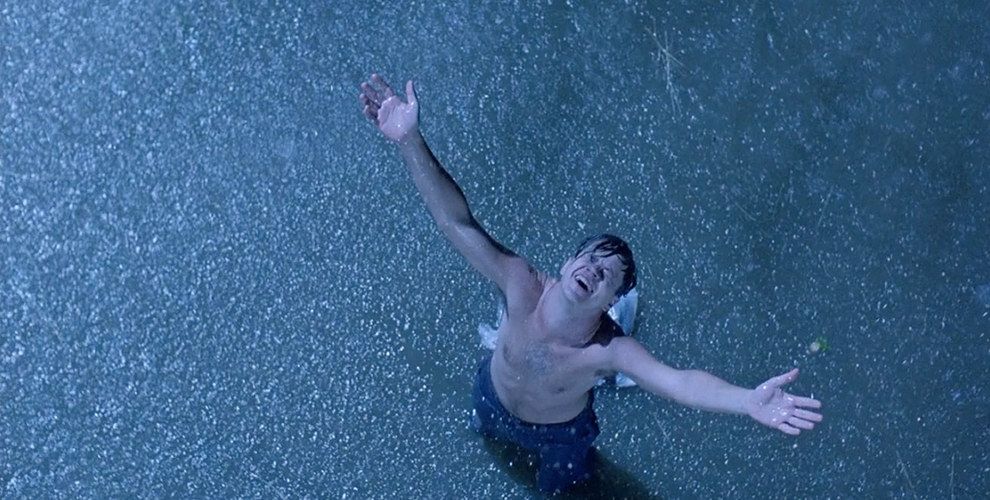
    The Shawshank Redemption (1994)

    ‘The Shawshank Redemption’ (Columbia)

    Three Colors: Red (1994)

    ‘Three Colors: Red’ (Miramax)

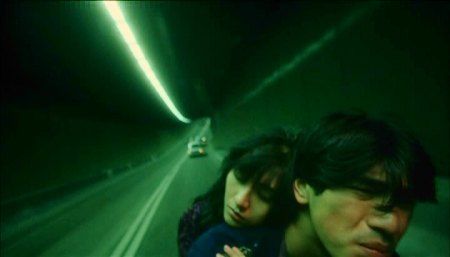
    Fallen Angels (1995)

    ‘Fallen Angels’

    Se7en (1995)

    ‘Se7en’ (New Line)

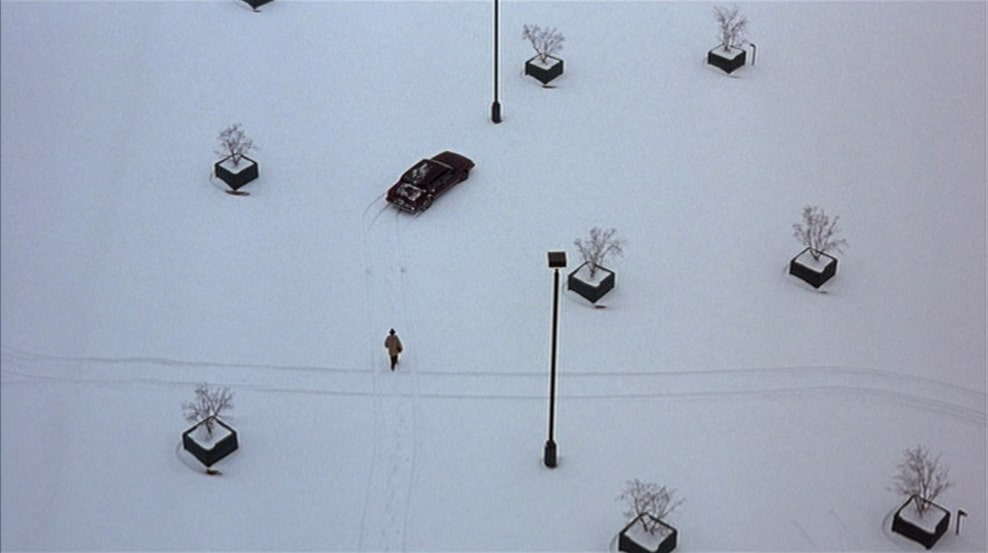
    Fargo (1996)

    ‘Fargo’ (Gramercy)

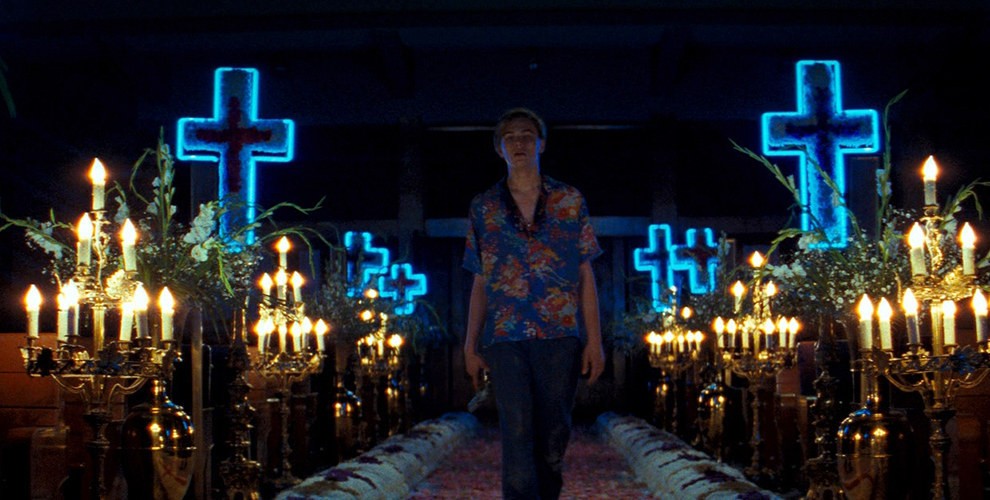
    Romeo + Juliet (1996)

    ‘Romeo + Juliet’ (20th Century Fox)

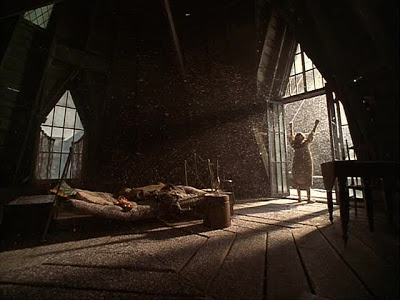
    A Little Princess (1997)

    ‘A Little Princess’ (Warner Bros.)

    L.A. Confidential (1997)

    ‘L.A. Confidential’ (Warner Bros.)

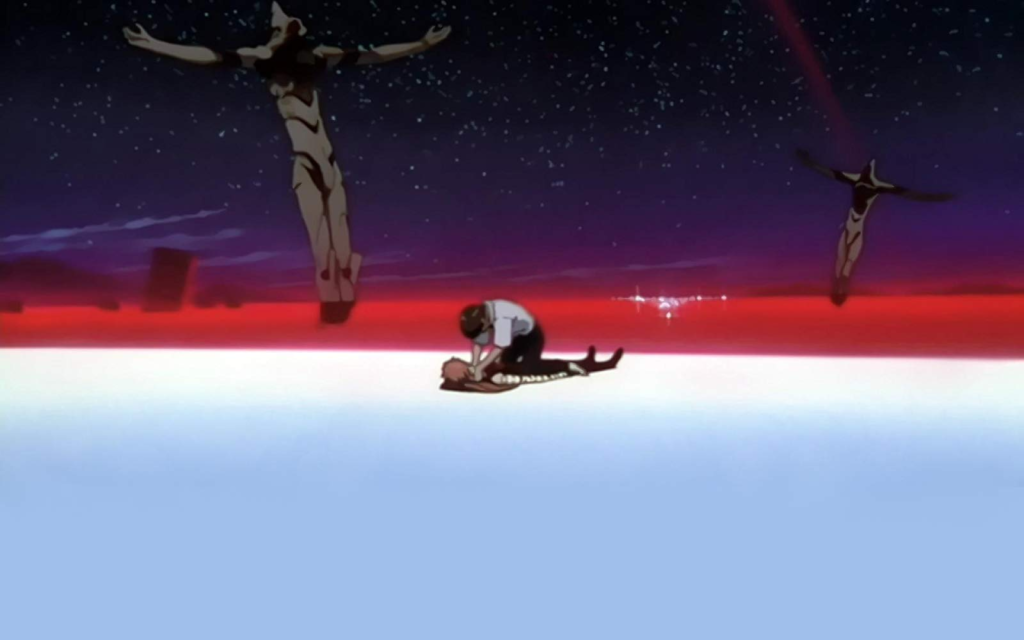
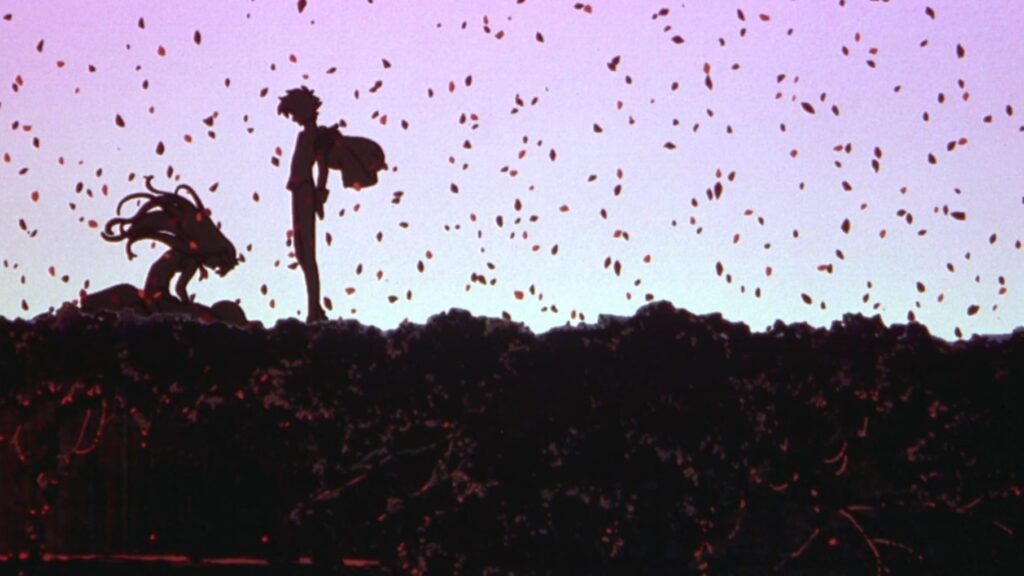
    Neon Genesis Evangelion: The End of Evengelion (1997)

    Dil Se.. (1998)

    ‘Dil Se..’ (Eros)

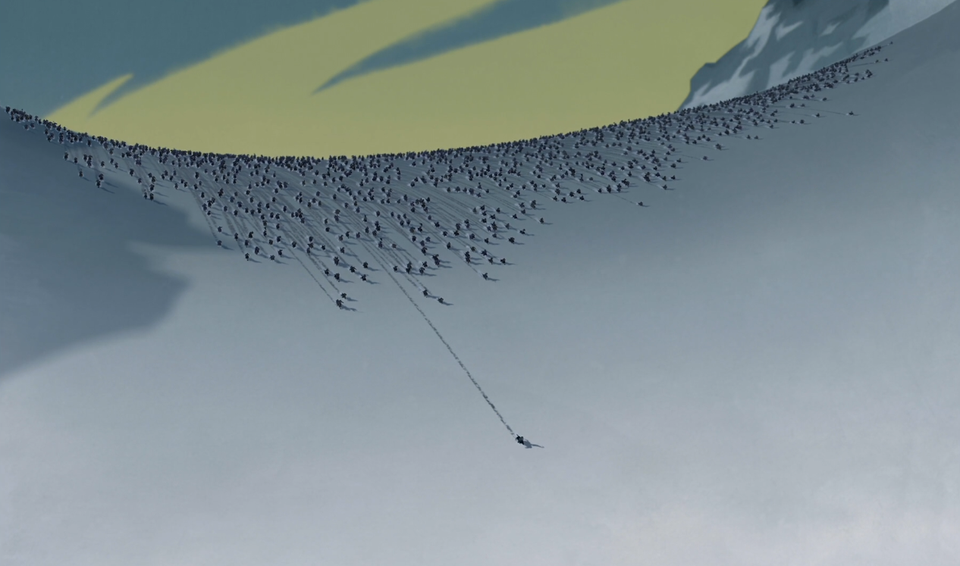
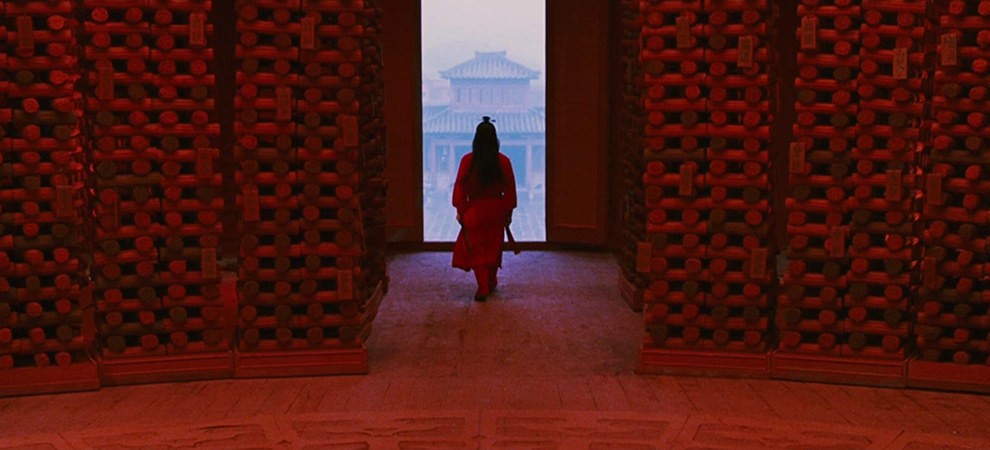
    Mulan (1998)

    ‘Mulan’ (Disney)

    Saving Private Ryan (1998)

    ‘Saving Private Ryan’ (Dreamworks)

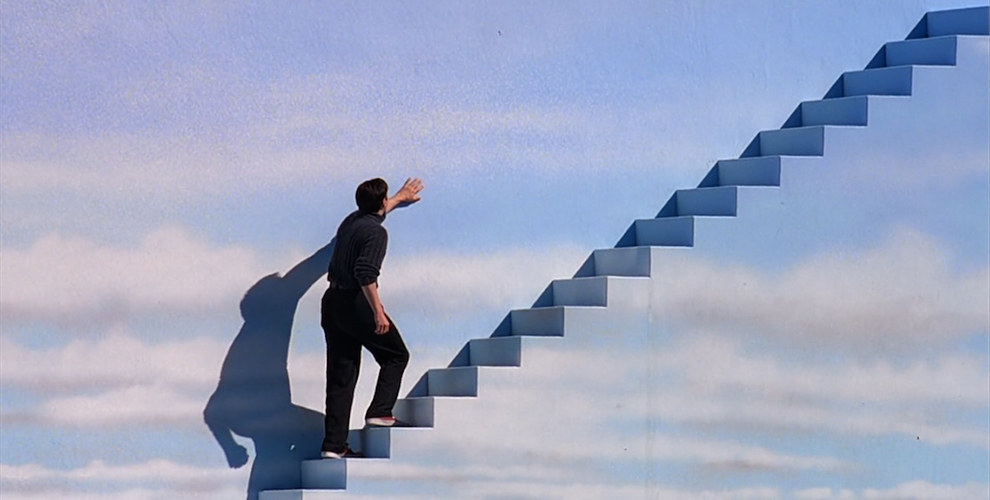
    The Truman Show (1998)

    ‘The Truman Show’ (Paramount)

    Adolescence of Utena (1999)

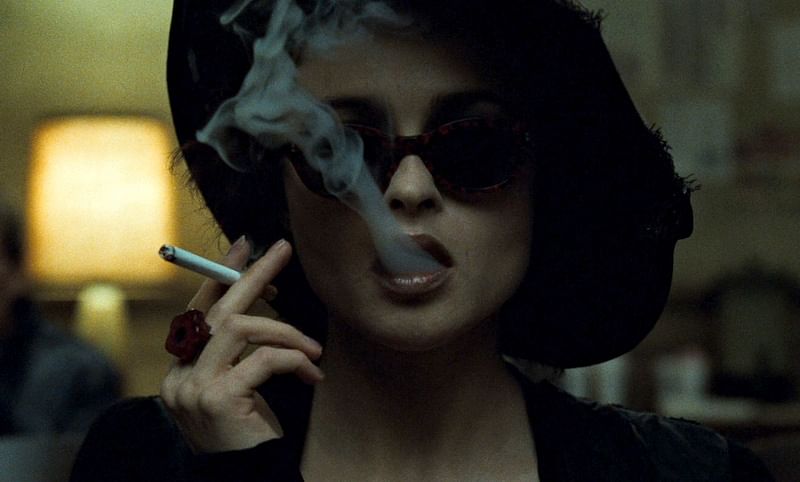
    Fight Club (1999)

    ‘Fight Club’ ()

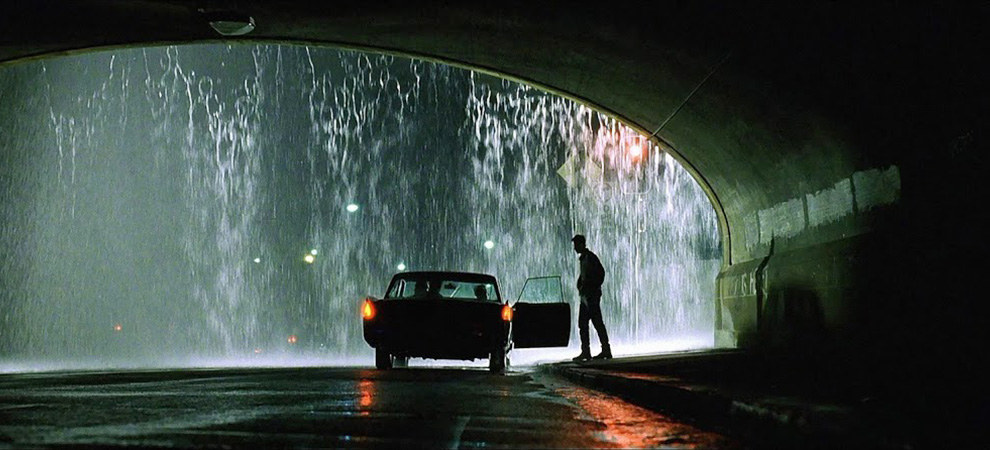
    The Matrix (1999)

    ‘The Matrix’ (Warner Bros.)

    American Psycho (2000)

    ‘American Psycho’ (Lionsgate)

    The Cell (2000)

    ‘The Cell’ (New Line)

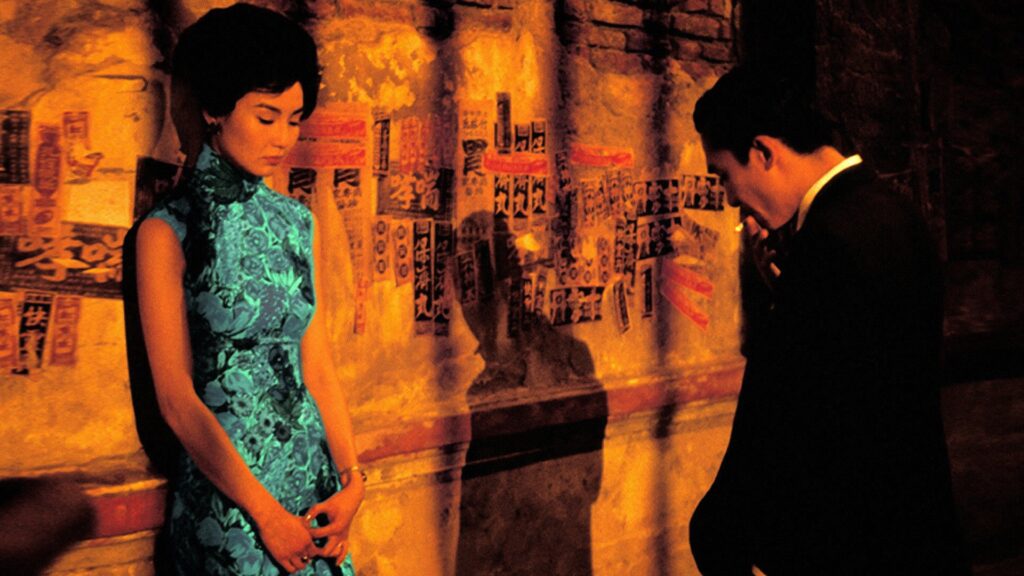
    In the Mood For Love (2000)

    ‘In the Mood For Love’ (GEM Entertainment)

    Amelie (2001)

    ‘Amelie’ (Miramax)

    The Fellowship of the Ring (2001)

    ‘Lord of the Rings: The Fellowship of the Ring’ (New Line)

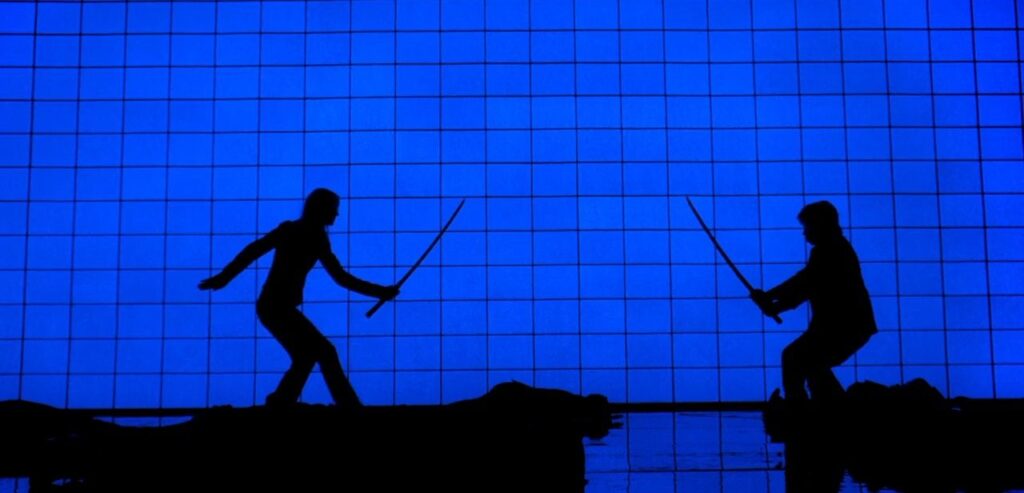
    Kill Bill Vol. 1 (2001)

    ‘Kill Bill Vol. 1’

    Spirited Away (2001)

    ‘Spirited Away’ (Studio Ghibli)

    City of God (2002)

    ‘City of God’ (Miramax)

    Far From Heaven (2002)


    Hero (2002)

    ‘Hero’ (Miramax)
    ‘Hero’ (Miramax)

    Big Fish (2003)

    ‘Big Fish’ (Columbia)

    Lost in Translation (2003)

    ‘Lost in Translation’ (Focus Features)

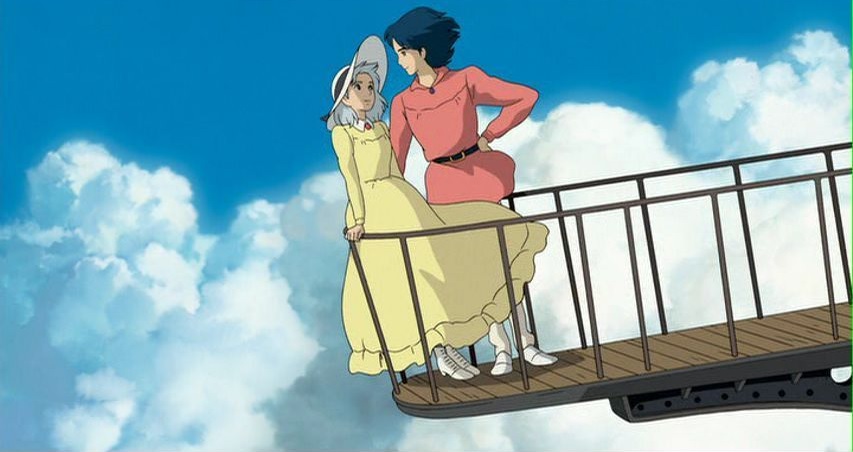
    Howl’s Moving Castle (2004)

    ‘Howl’s Moving Castle’ (Studio Ghibli)

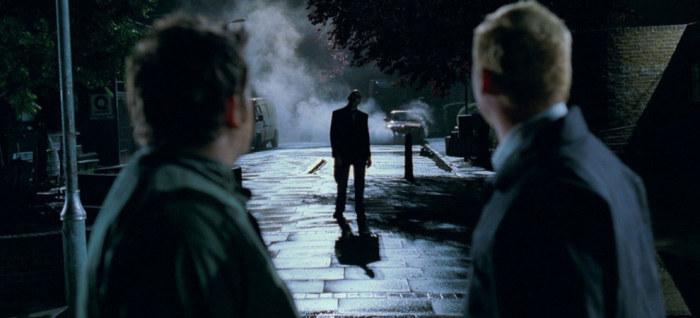
    Shaun of the Dead (2004)

    ‘Shaun of the Dead’ (Universal)

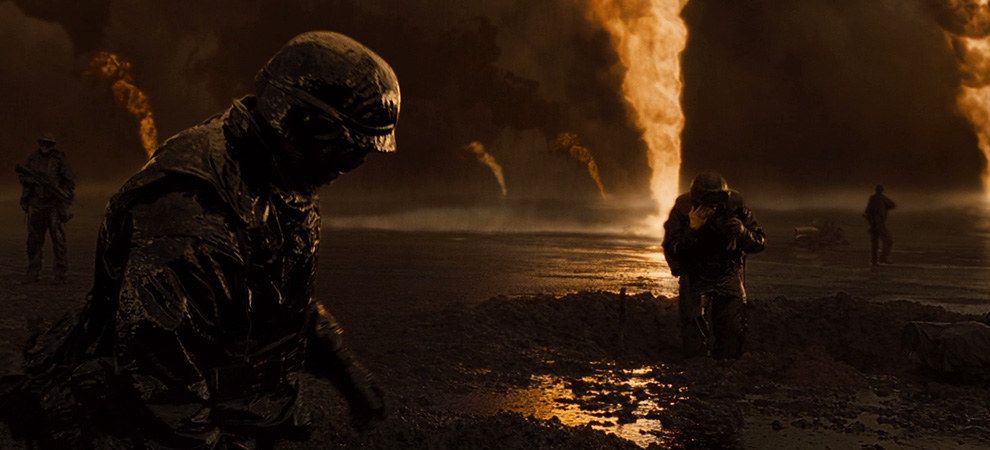
    Jarhead (2005)

    ‘Jarhead’ (Universal)

    Children of Men (2006)

    ‘Children of Men’ (Universal)

    The Fall (2006)

    ‘The Fall’ (Roadside Attractions)

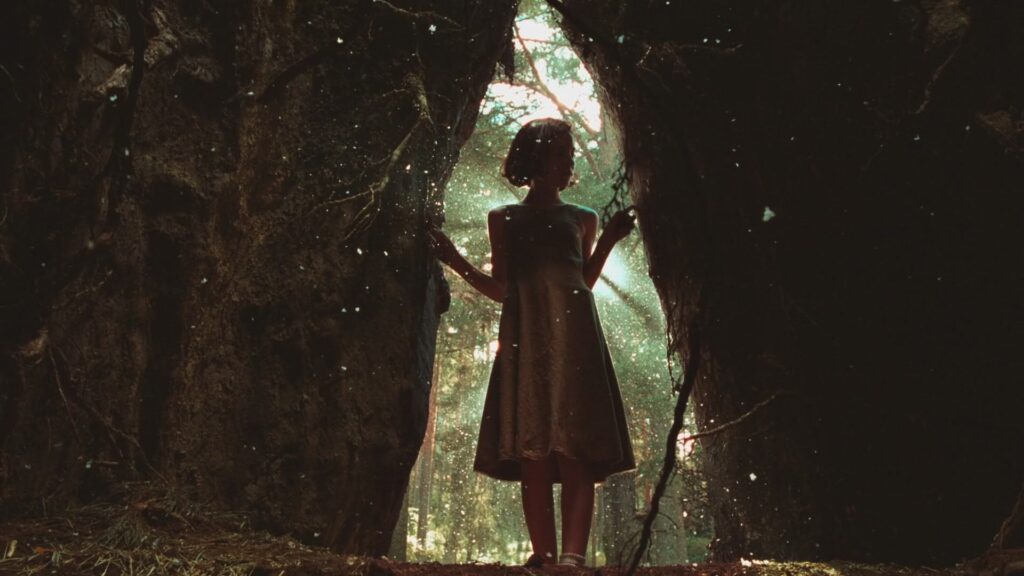
    Pan’s Labyrinth (2006)

    ‘Pan’s Labyrinth’ (Picturehouse)

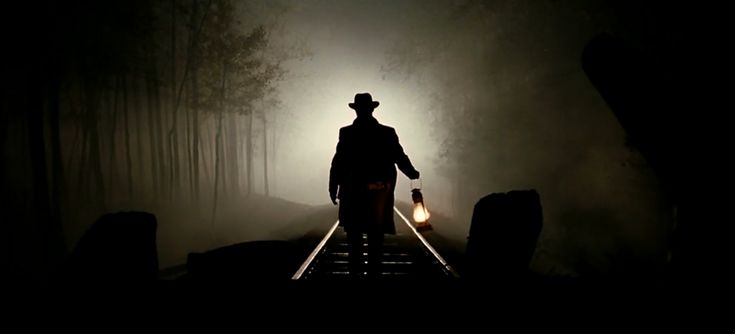
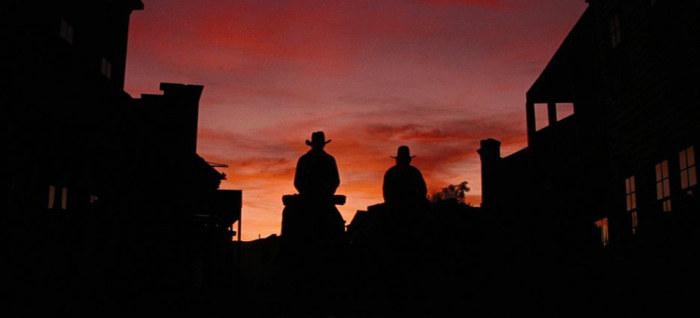
    The Assassination of Jesse James by the Coward Robert Ford (2007)

    ‘The Assassination of Jesse James by the Coward Robert Ford’ (Warner Bros.)

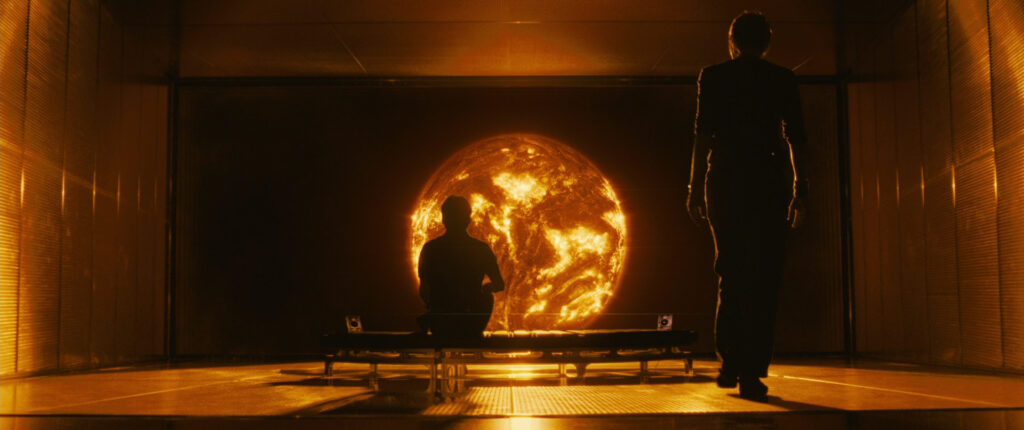
    Sunshine (2007)

    ‘Sunshine’ (Searchlight)

    There Will Be Blood (2007)

    ‘There Will Be Blood’ (Paramount Vantage)

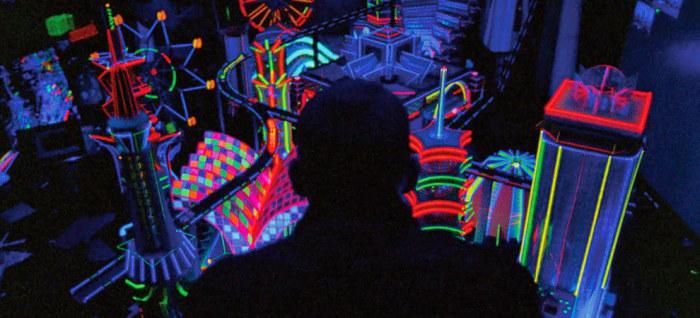
    Enter the Void (2009)

    ‘Enter the Void’ (2009)

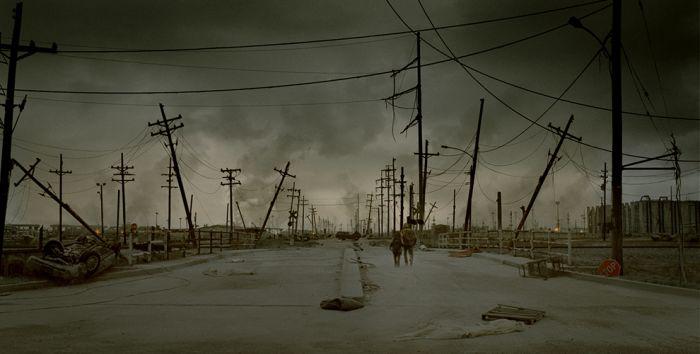
    The Road (2009)

    ‘The Road’ (The Weinstein Company)

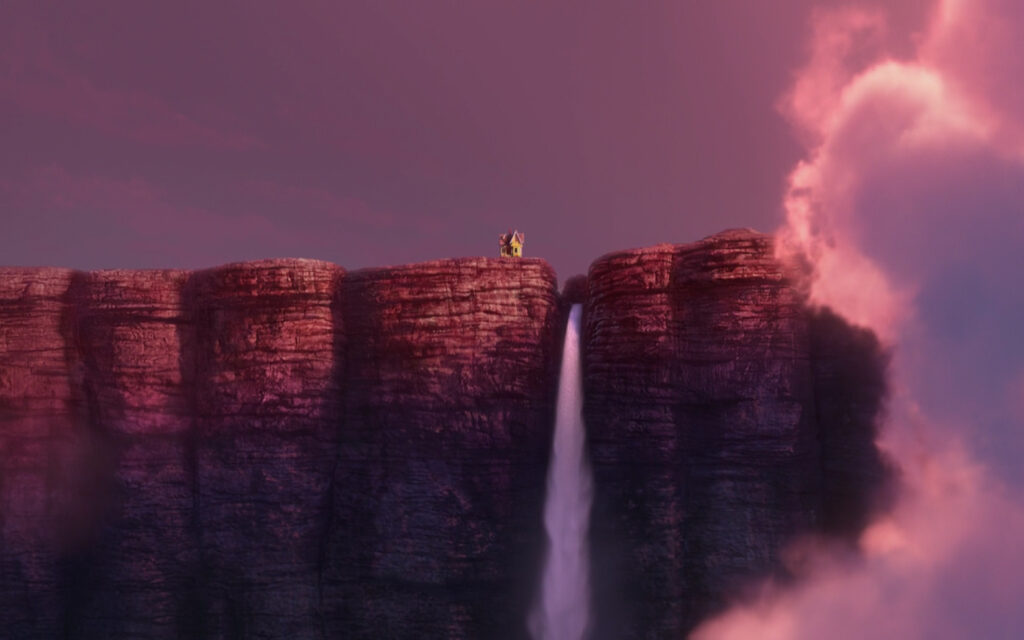
    Up (2009)

    ‘Up’ (Disney/Pixar)

    Valhalla Rising (2009)

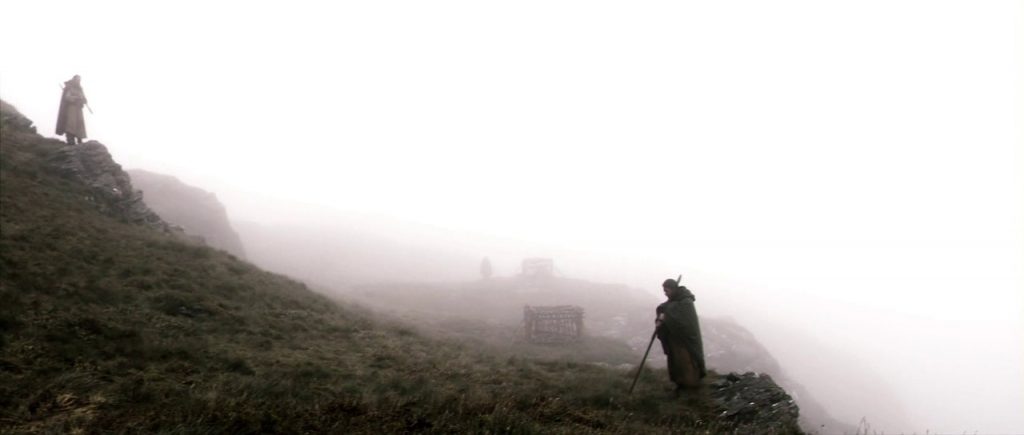
    ‘Valhalla Rising’ (IFC)

    Beyond the Black Rainbow (2010)

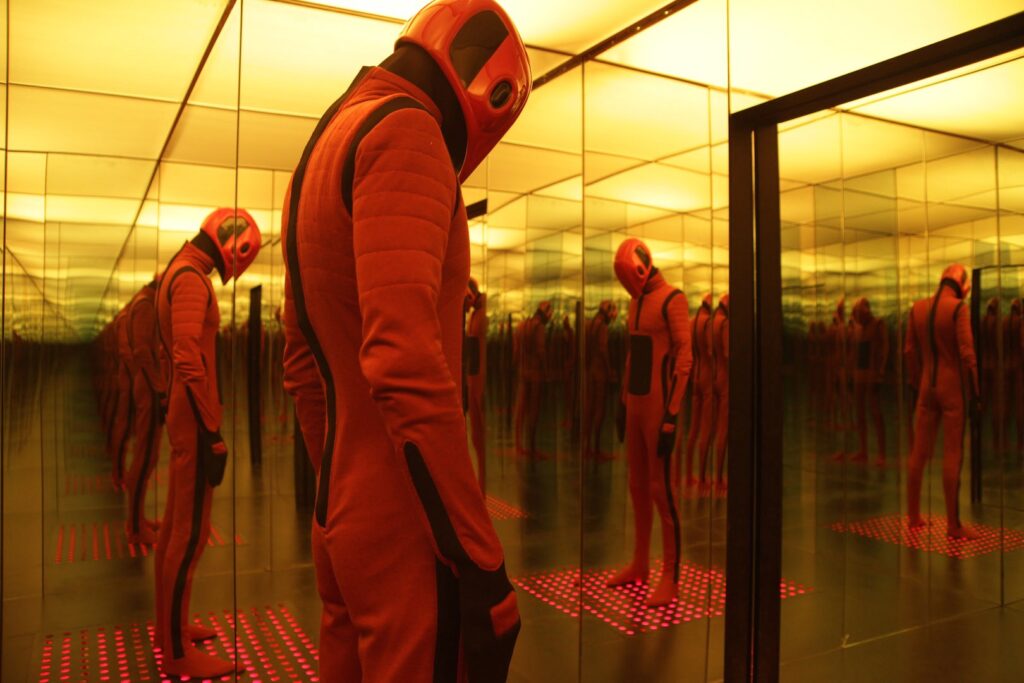
    ‘Beyond the Black Rainbow’ (Elephant Eye)

    Black Swan (2010)

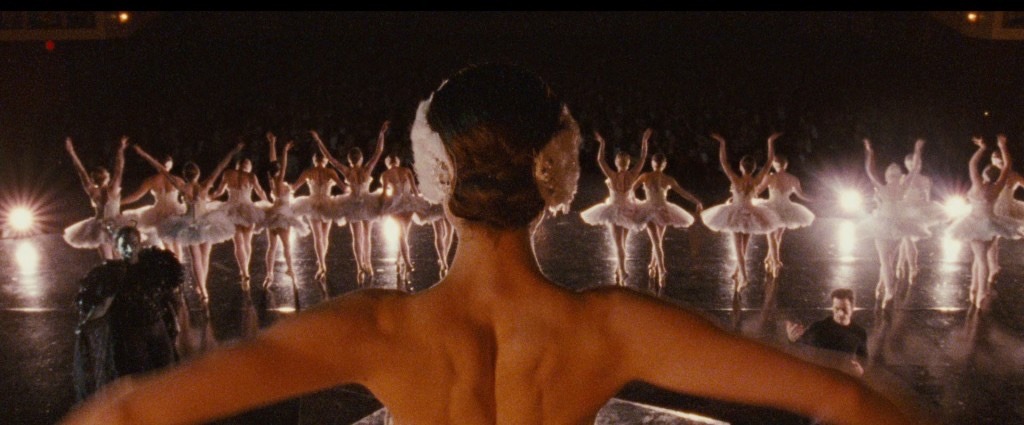
    ‘Black Swan’ (Searchlight)

    Uncle Boonmee Who Can Recall His Past Lives (2010)

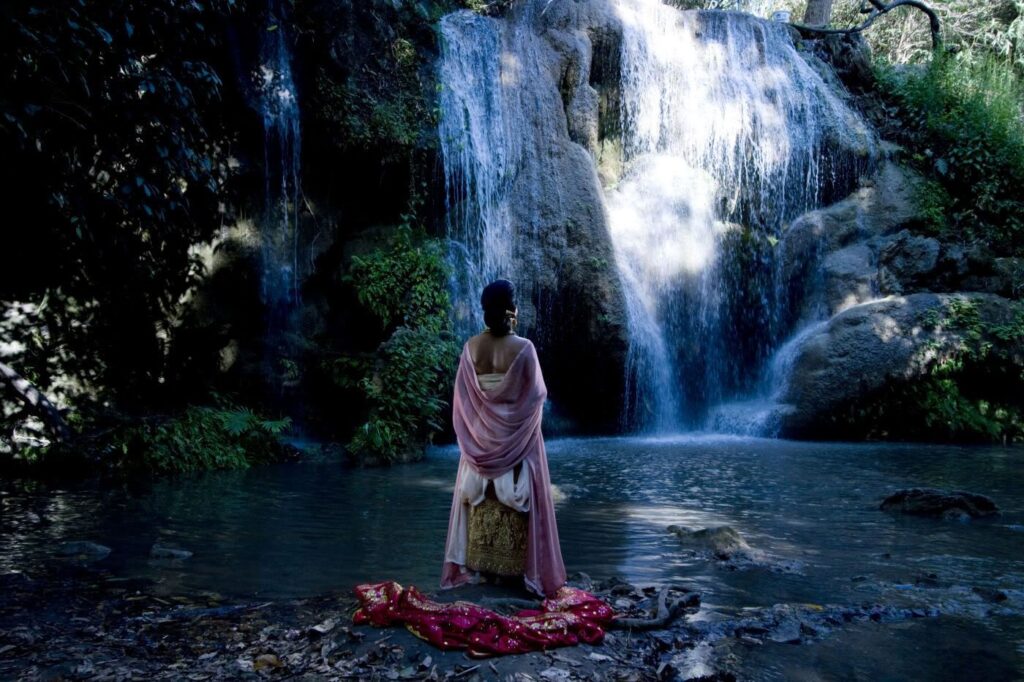
    ‘Uncle Boonmee Who Can Recall His Past Lives’ (Strand)

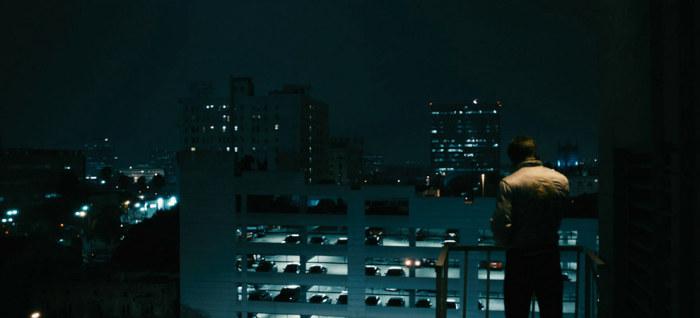
    Drive (2011)

    ‘Drive’ (FilmDistrict)

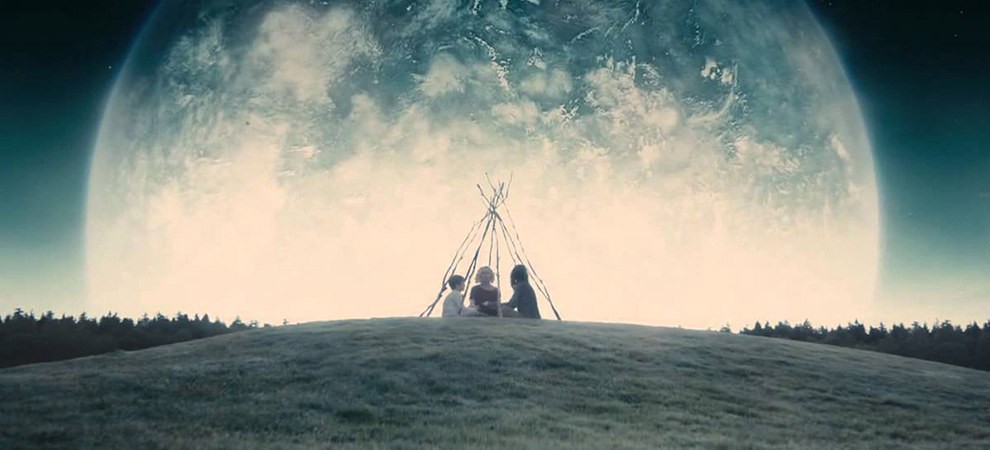
    Melancholia (2011)

    ‘Melancholia’ (Magnolia)

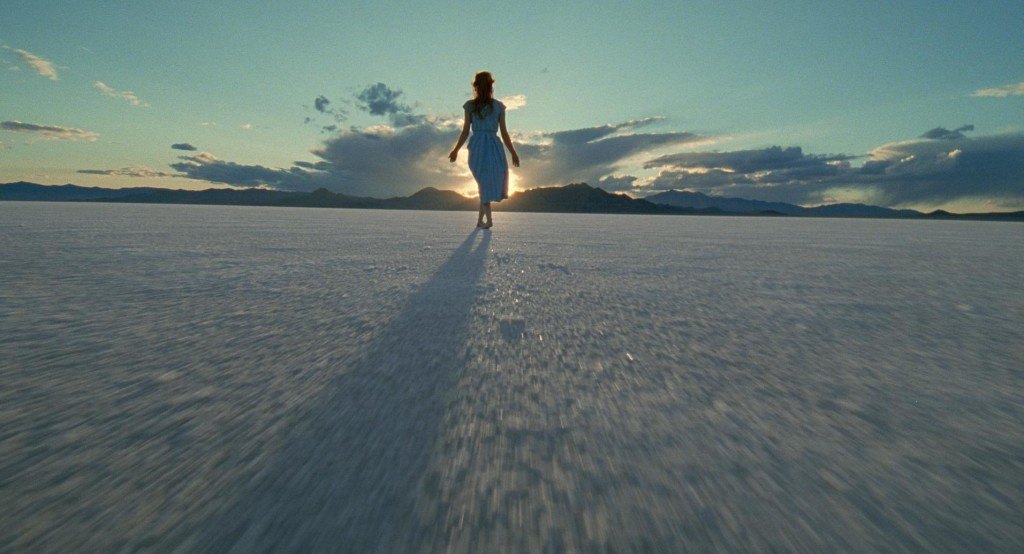
    The Tree of Life (2011)

    ‘The Tree of Life’ (Searchlight)

    Django Unchained (2012)

    ‘Django Unchained’ (The Weinstein Company)

    Frances Ha (2012)

    ‘Frances Ha’ (IFC)

    Life of Pi (2012)

    ‘Life of Pi’ (20th Century Fox)

    The Master (2012)

    Skyfall (2012)

    ‘Skyfall’ (MGM)

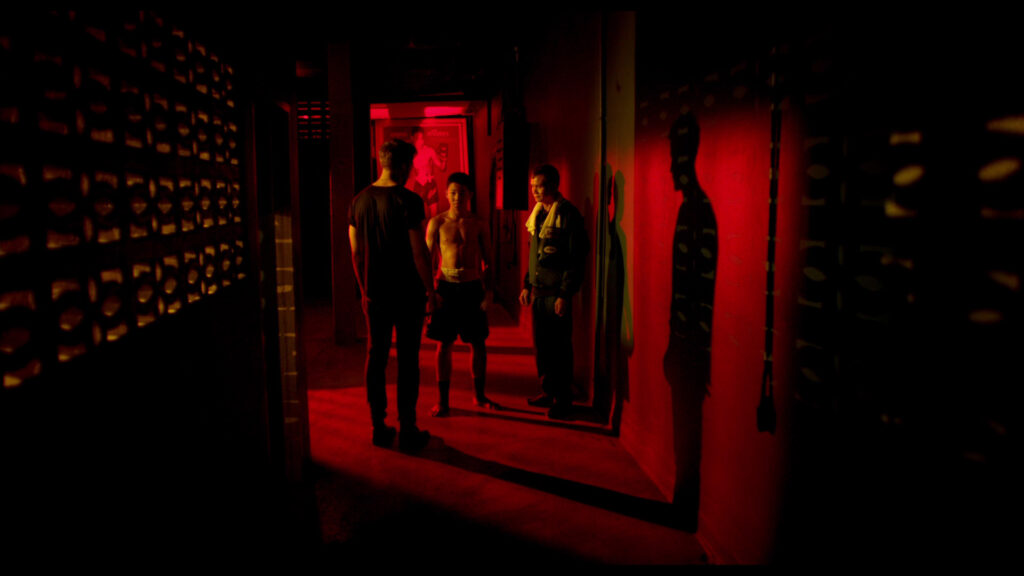
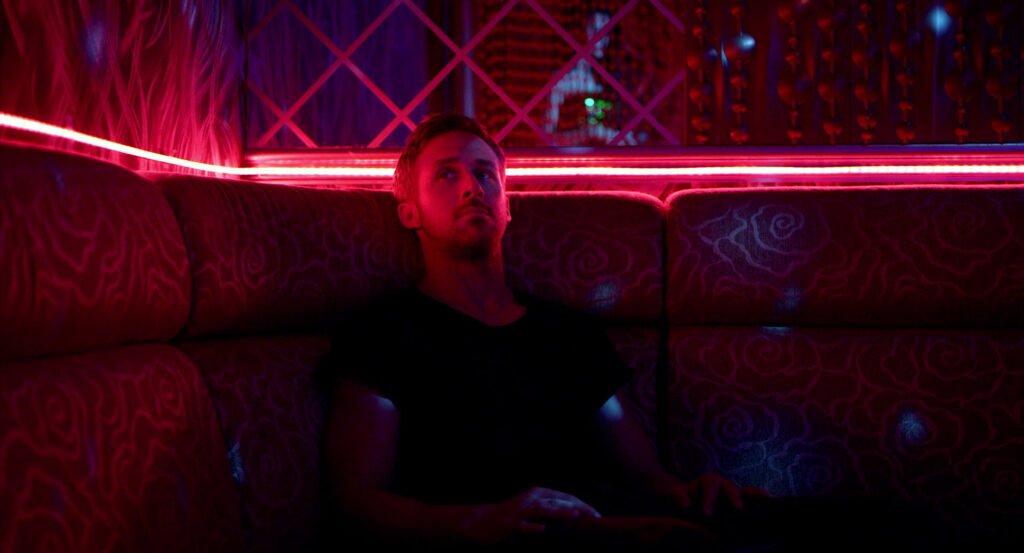
    Only God Forgives (2013)

    ‘Only God Forgives’ (RADiUS-TWC)
    ‘Only God Forgives’ (RADiUS-TWC)

    Prisoners (2013)

    ‘Prisoners’ (Warner Bros.)

    A Girl Walks Home At Night (2014)

    ‘A Girl Walks Home At Night’ (Kino Lorber)

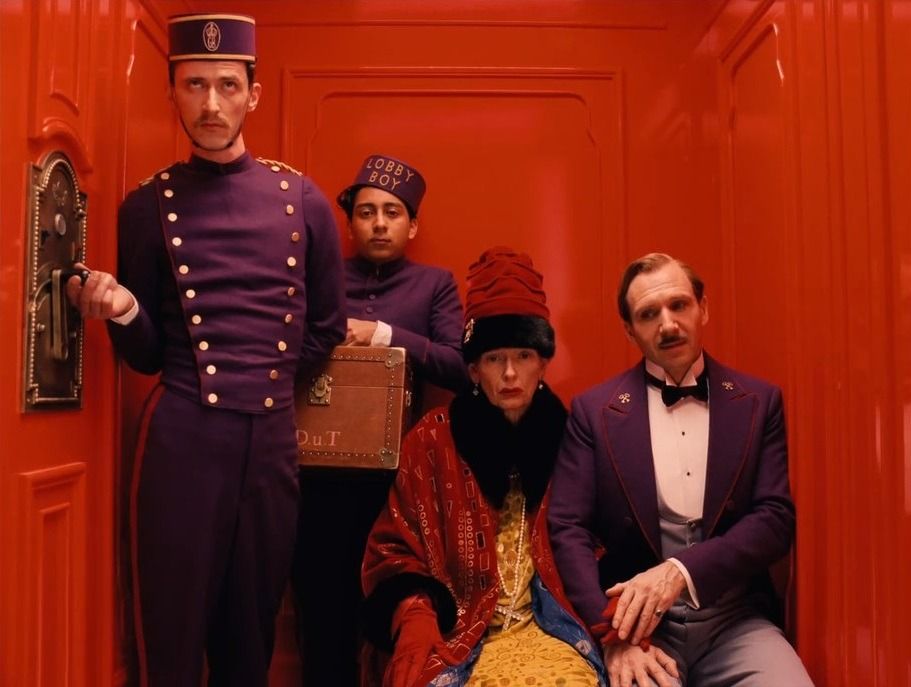
    The Grand Budapest Hotel (2014)

    ‘The Grand Budapest Hotel’ (Searchlight)
    ‘The Grand Budapest Hotel’ (Searchlight)

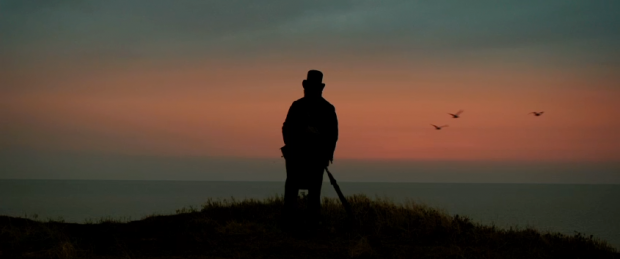
    Mr. Turner (2014)

    ‘Mr. Turner’ (Sony Classics)

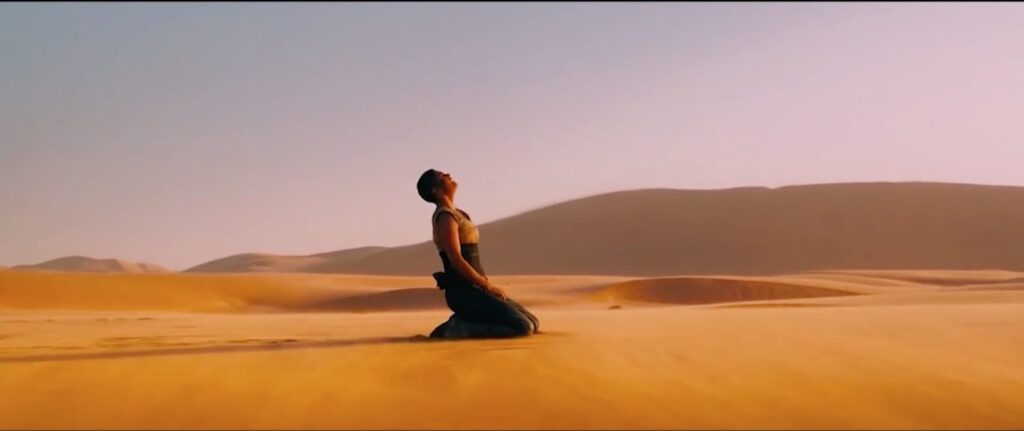
    Mad Max: Fury Road (2015)

    ‘Mad Max: Fury Road’ (Warner Bros.)

    The Revenant (2015)

    ‘The Revenant’ (20th Century Fox)

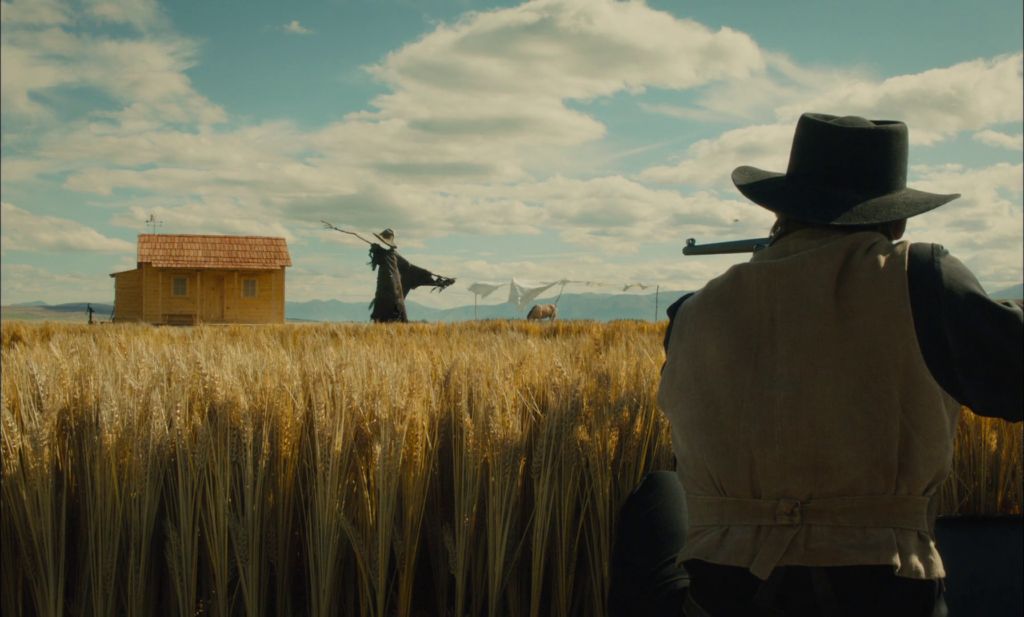
    Slow West (2015)

    ‘Slow West’ (A24)

    Hunt for the Wilderpeople (2016)

    ‘Hunt for the Wilderpeople’ (Madman)

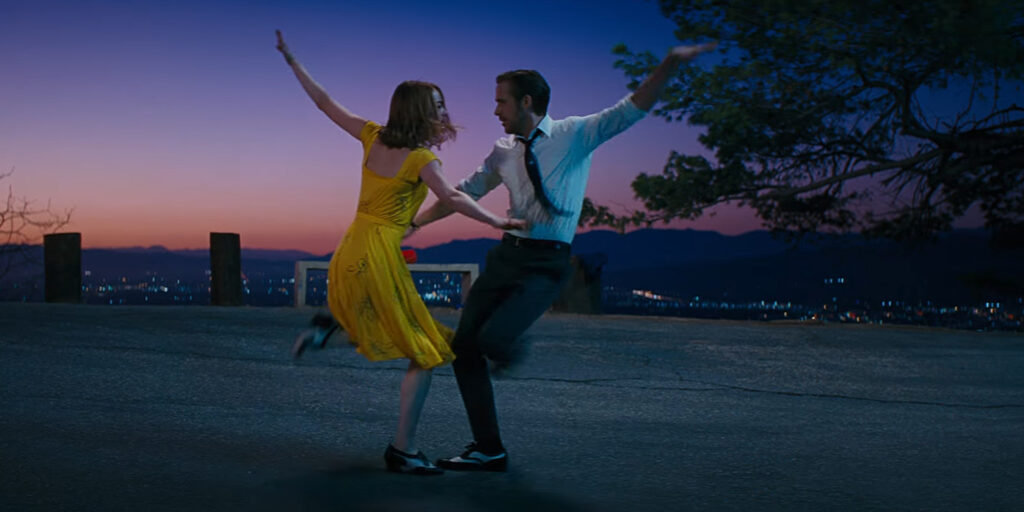
    La La Land (2016)

    ‘La La Land’ (Lionsgate)

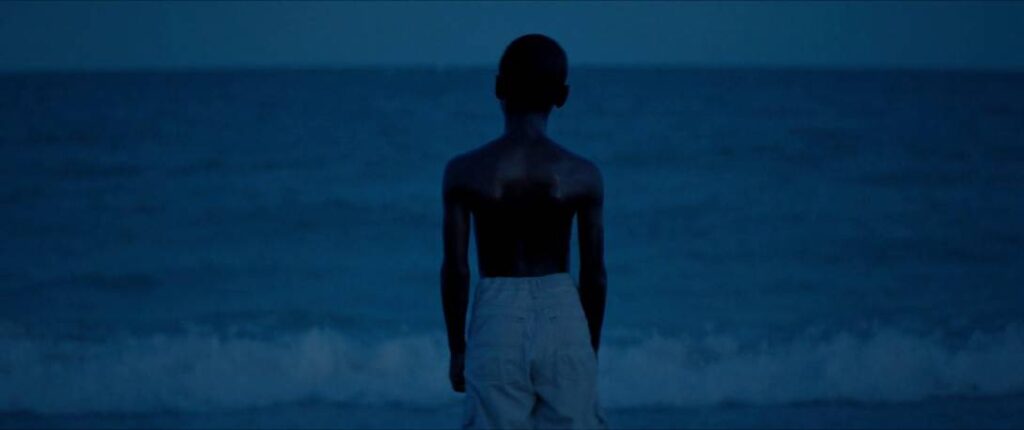
    Moonlight (2016)

    ‘Moonlight’ (A24)

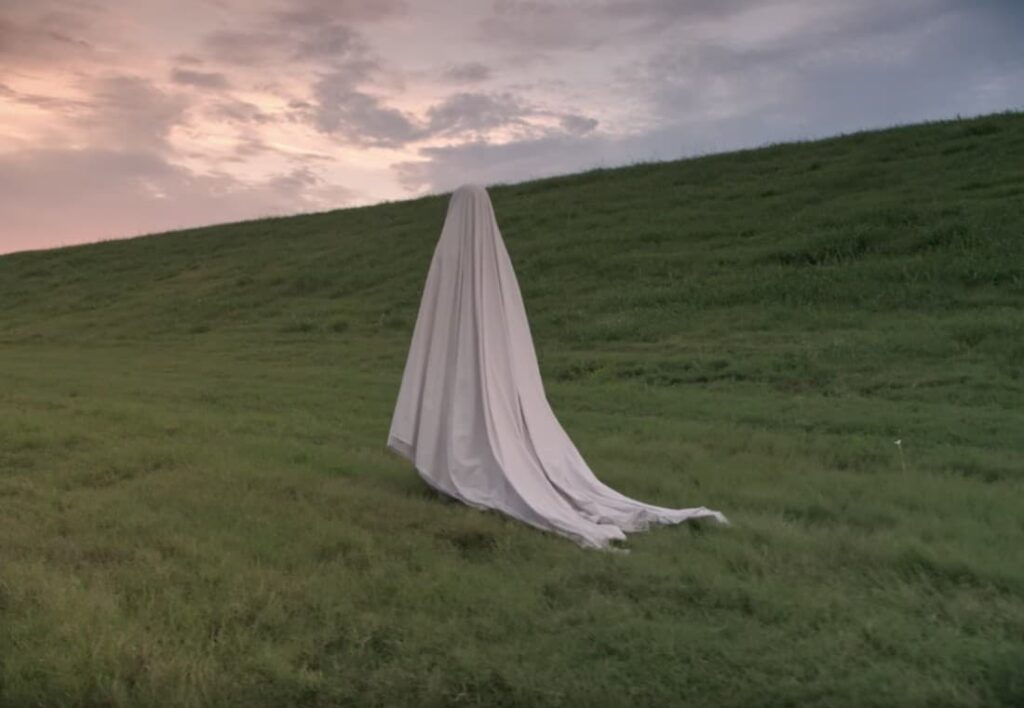
    A Ghost Story (2017)

    ‘A Ghost Story’ (A24)

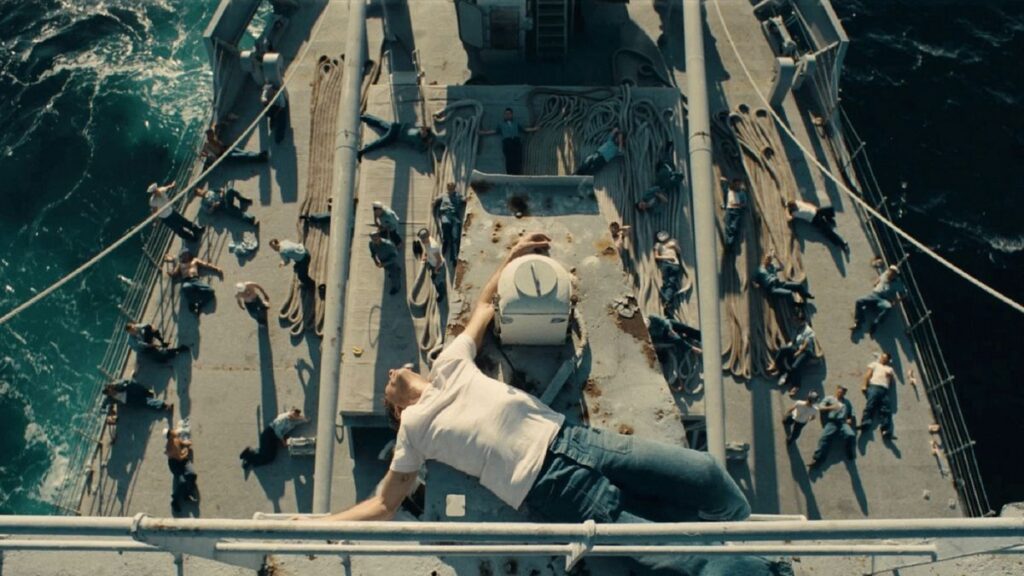
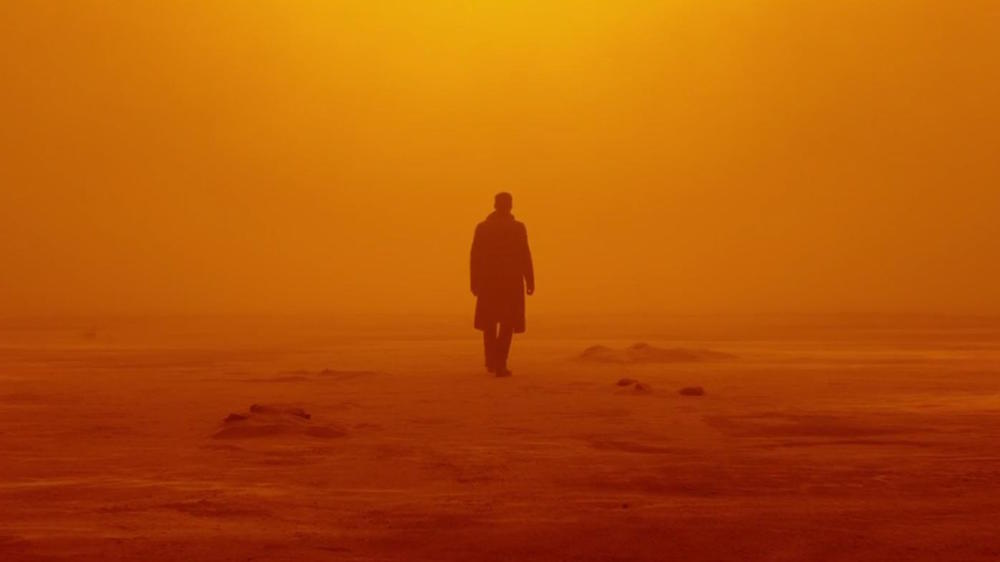
    Blade Runner 2049 (2017)

    ‘Blade Runner 2049’ (Warner Bros.)

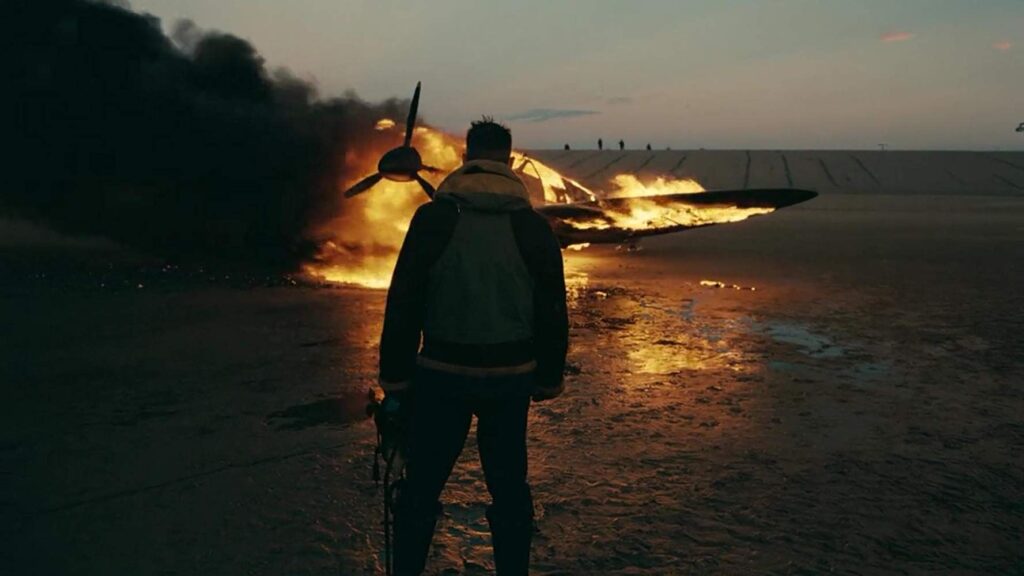
    Dunkirk (2017)

    ‘Dunkirk’ (Warner Bros.)

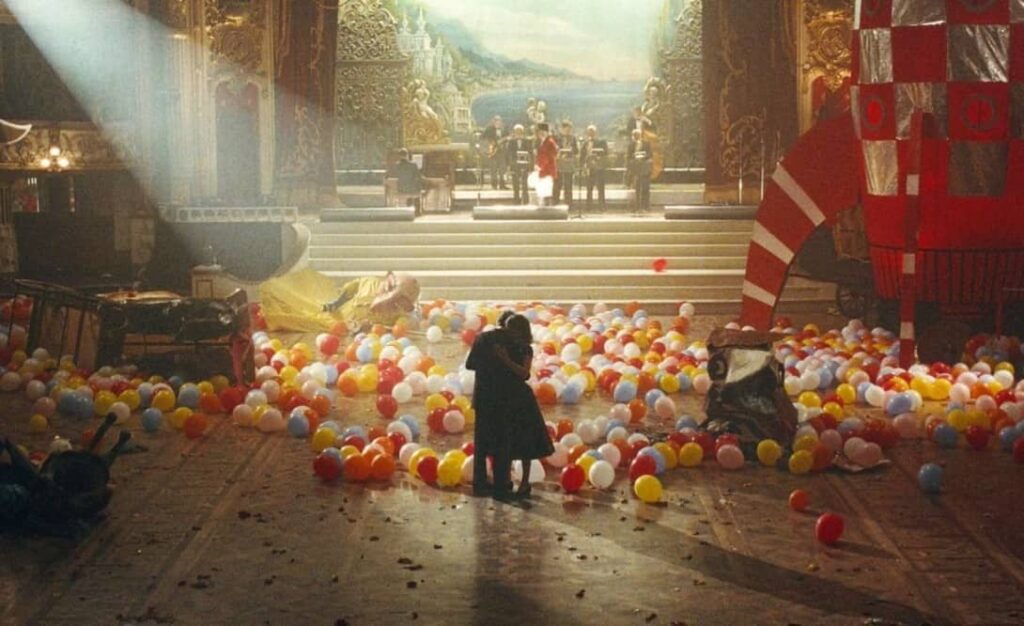
    Phantom Thread (2017)

    ‘Phantom Thread’ (Focus)

    Black Panther (2018)

    ‘Black Panther’ (Disney/Marvel)

    Isle of Dogs (2018)

    Roma (2018)

    Tumbbad (2018)

    ‘Tumbbad’ (Amazon)

    1917 (2019)

    ‘1917’ (Universal)

    First Cow (2019)

    ‘First Cow’ (A24)

    Director: Kelly Reichardt

    Cinematographer: Christopher Blauvelt


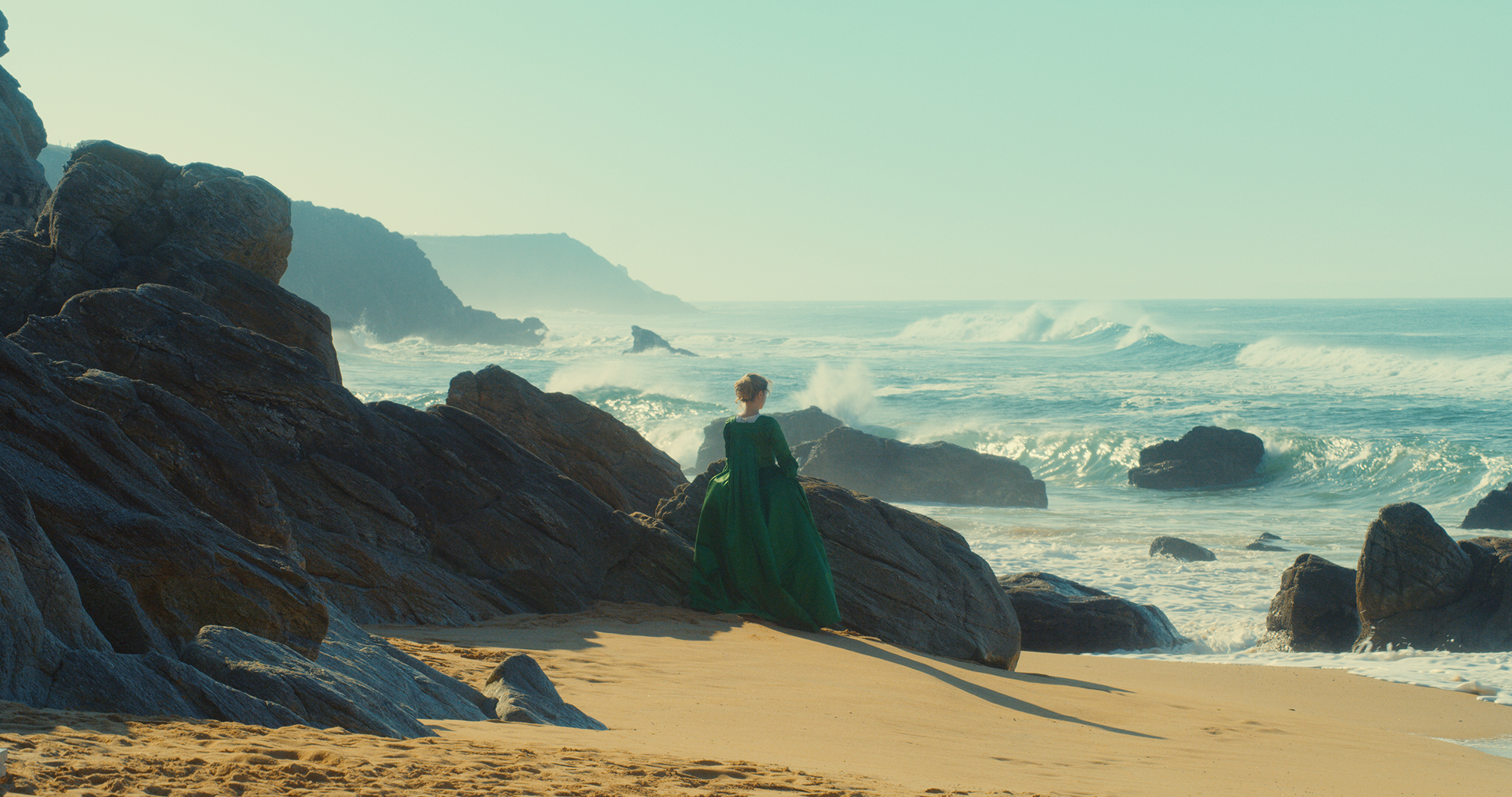
    Portrait of a Lady on Fire (2019)

    ‘Portrait of a Lady on Fire’ (Neon)

    Director: Celine Sciamma

    Cinematographer: Claire Mathon

    Spencer (2021)

    ‘Spencer’ (NEON)

    Director: Pablo Larrain

    Cinematographer: Claire Mathon

    The Tragedy of Macbeth (2021)

    ‘The Tragedy of Macbeth’ (Apple+/A24)
    ‘The Tragedy of Macbeth’ (Apple+/A24)

    Director: Joel Coen

    Cinematography: Bruno Debonnel

  • Venice 2022 Lineup Announced: Baumbach’s ‘White Noise’ To Open Festival

    Venice 2022 Lineup Announced: Baumbach’s ‘White Noise’ To Open Festival

    The lineup for this year’s Venice Film Festival was just announced. This is the first major festival lineup announcement of the Oscar season and it gives us our first introductory look at this year’s possible contenders. In five of the past six years, a top two Picture contender has played at Venice and this trend shows no signs of stopping.

    In my predictions from last month, I have three of the films that have shown up in the Venice lineup in the top 10: The Son, Bardo, and White Noise. While I’m not confident that any of these films will become a top 2 Best Picture contender this season, I’m essentially guaranteeing that one of them will end up being a top 5 contender (The Whale could end up being the Venice top 5 Picture contender as well).

    Anyways, here is the Venice slate:

    Opening Night

    “White Noise,” Noah Baumbach (in competition)

    Competition/Venezia 79

    “Il Signore delle Formiche,” Gianni Amelio

    “The Whale,” Darren Aronofsky

    “L’Immensita,” Emanuele Crialese

    “Saint Omer,” Alice Diop

    “Blonde,” Andrew Dominik

    “TÁR,” Todd Field

    “Love Life,” Koji Fukada

    “Bardo,” Alejandro González Iñárritu

    “Athena,” Romain Gavras

    “Bones and All,” Luca Guadagnino

    “The Eternal Daughter,” Joanna Hogg

    “Beyond the Wall,” Vahid Jalilvand

    “The Banshees of Inisherin,” Martin McDonagh

    “Argentina, 1985,” Santiago Mitre

    “Chiara,” Susanna Nicchiarelli

    “Monica,” Andrea Pallaoro

    “No Bears,” Jafar Panahi

    “All the Beauty and the Bloodshed,” Laura Poitras

    “A Couple,” Frederick Wiseman

    “The Son,” Florian Zeller

    “Our Ties,” Roschdy Zem

    “Other People’s Children,” Rebecca Zlotowski

    Out of Competition (Fiction)

    Closing Film: “The Hanging Sun,” Francesco Carrozzini

    “When the Waves Are Gone,” Lav Diaz

    “Living,” Oliver Hermanus

    “Dead for a Dollar,” Walter Hill

    “Call of God,” Kim Ki-duk

    “Dreamin’ Wild,” Bill Pohlad

    “Master Gardener,” Paul Schrader

    “Siccita,” Paolo Virzi

    “Pearl,” Ti West

    “Don’t Worry Darling,” Olivia Wilde

    Here are the Best Picture nominees that went to Venice from the past 6 years:

    2021 – In Competition: The Power of the Dog; Out of Competition: Dune

    2020 – In Competition: Nomadland (Golden Lion winner)

    2019 – In Competition: Joker (Golden Lion winner), Marriage Story

    2018 – In Competition: The Favourite, Roma (Golden Lion winner); Out of Competition: A Star is Born

    2017 – In Competition: The Shape of Water (Golden Lion winner), Three Billboard Outside Ebbing, Missouri

    2016 – In Competition: Arrival, La La Land; Out of Competition: Hacksaw Ridge

    Based on this, it would be reasonable to suspect that at least two fiction films from this year’s in competition and out of competition slates will make it in Best Picture.

    In order of likelihood that will probably be Bardo, The Son, White Noise, The Whale, Don’t Worry Darling, and then The Banshees of Inisherin. Bardo and The Son are my current picks to become Best Picture nominees and I fear that White Noise might suffer the same fate that many other Venice openers have since La La Land in 2016 where they come from big auteurs yet aren’t met with the expected praise (Downsizing, First Man, and The Truth all fit this mold).

    Here is the rest of the slate:

    Out of Competition (Non Fiction)

    “Freedom on Fire: Ukraine’s Fight for Freedom,” Evgeny Afineevsky

    “The Matchmaker,” Benedetta Argentieri

    “Gli Ultima Giorni Dell’Umanita,” Enrico Ghezzi, Alessandro Gagliardo

    “A Compassionate Spy,” Steve James

    “Music for Black Pigeons,” Jorgen Leth and Andreas Koefoed

    “The Kiev Trial,” Sergei Loznitsa

    “In Viaggio,” Gianfranco Rosi

    “Bobby White Ghetto President,” Christopher Sharp and Moses Bwayo

    “Nuclear,” Oliver Stone

    Out of Competition (Series)

    “The Kingdom Exodus,” Lars von Trier

    “Copenhagen Cowboy,” Nicolas Winding Refn

    Horizons/Orizzonti

    “Princess,” Roberto de Paolis

    “Victim,” Michal Blanko

    “On the Fringe,” Juan Diego Botto

    “Trenque Lauquen,” Laura Citarella

    “Vera,” Tizza Covi, Rainer Frimmel

    “Innocence,” Guy Davidi

    “Blanquita,” Fernando Guzzoni

    “Pour La France (For My Country,” Rachid Hami

    “A Man,” Kei Ishikawa

    “Bread and Salt,” Damian Kocur

    “Luxembourg, Luxembourg,” Antonio Lukich

    “Ti Mangio IL Cuore,” Pippo Mezzapesa

    “To the North,” Mihai Mincan

    “Autobiography,” Makbul Mubarak

    “La Syndicaliste (The Sitting Duck),” Jean-Paul Salomé

    “World War III,” Houman Seyedi

    “The Happiest Man in the World,” Teona Strugar Mitevska

    “The Bride,” Sérgio Tréfaut

    Horizons/Orizzonti Extra

    “Origin of Evil,” Sébastien Marnier

    “Hanging Gardens,” Ahmed Yassin Al Daradji

    “Amanda,” Carolina Cavalli

    “Red Shoes,” Carlos Eichelmann Kaiser

    “Nezouh,” Soudade Kaadan

    “Notte Fantasma,” Fulvio Risuleo

    “Without Her,” Arian Vazirdaftari

    “Valeria Is Getting Married,” Michal Vinik

    “Goliath,” Adilkhan Yerzhanov

    Source: IndieWire