As Venice and Toronto have wrapped up, many under-the-radar contenders have emerged as major contenders. At Venice, Pedro Almodovar’s The Room Next Door won the Golden Lion, Brady Corbet’s The Brutalist won Best Director for Corbet, and Halina Reijn’s Babygirl won Best Actress for Nicole Kidman. The Brutalist was immediately cemented as a top five contender. Every year, Venice sees at least one top three Picture contender and The Brutalist, which has been dubbed “an instant classic” definitely seems to be this year’s iteration of that trend. The Room Next Door also has a possibility of making it into Best Picture but with a 70 Metascore and a 6.7 IMDb, I’m not sure if there’s enough passion behind this film to push it into the Best Picture slate (granted, it did win the Golden Lion so I may be wrong about this).
At Toronto, Mike Flanagan’s The Life of Chuck won the People’s Choice first place award, while Emilia Perez and Anora won the second and third place awards respectively. The Toronto International Film Festival’s People’s Choice Award is one of the biggest indicators of Oscar success. Since 2012, every winner of the award has been nominated for Best Picture and at least three other awards.
Here are the Best Picture nominees that went to Toronto from the past 11 years:
2023 – Special Presentations: American Fiction (People’s Choice Award 1st place), Anatomy of a Fall, The Holdovers (People’s Choice Award 2nd place), The Zone of Interest
2022 – Special Presentations: All Quiet on the Western Front, The Banshees of Inisherin, The Fabelmans (People’s Choice Award 1st Place), Triangle of Sadness, Women Talking (People’s Choice Award 2nd place)
2021 – Gala Presentations: Belfast (People’s Choice Award 1st place); Special Presentations: Drive My Car, The Power of the Dog (People’s Choice Award 3rd place); Special Events: Dune
2020 – Gala Presentations: Nomadland (People’s Choice Award 1st place); Special Presentations: The Father
2019 – Gala Presentations: Ford v Ferrari, Joker; Special Presentations: Jojo Rabbit (People’s Choice award 1st place), Marriage Story (People’s Choice Award 2nd place), Parasite (People’s Choice Award 3rd place)
2018 – Gala Presentations: Green Book (People’s Choice Award 1st place), A Star is Born; Special Presentations: Roma (People’s Choice Award 3rd place)
2017 – Gala Presentations: Darkest Hour; Special Presentations: Call Me By Your Name (People’s Choice Award 3rd place), Lady Bird, The Shape of Water, Three Billboards Outside Ebbing, Missouri (People’s Choice Award 1st place)
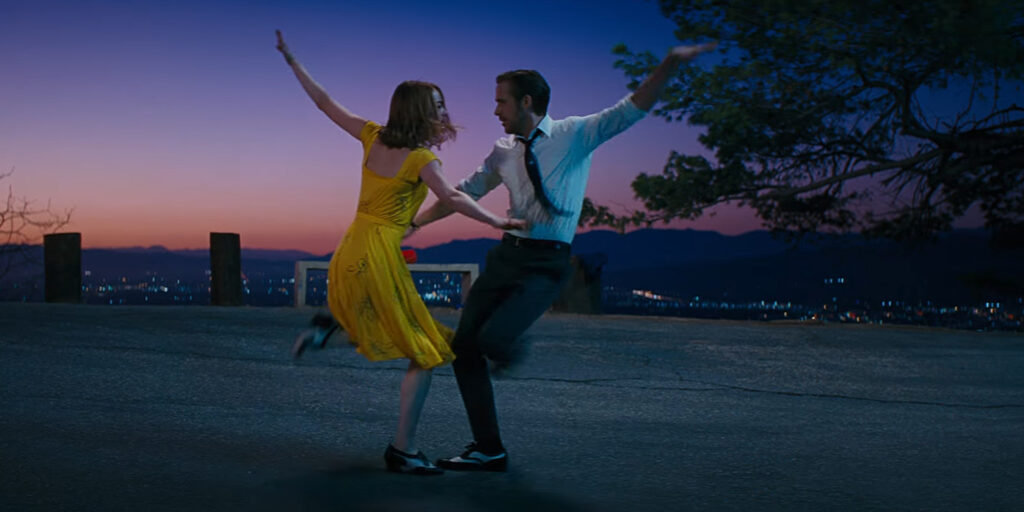
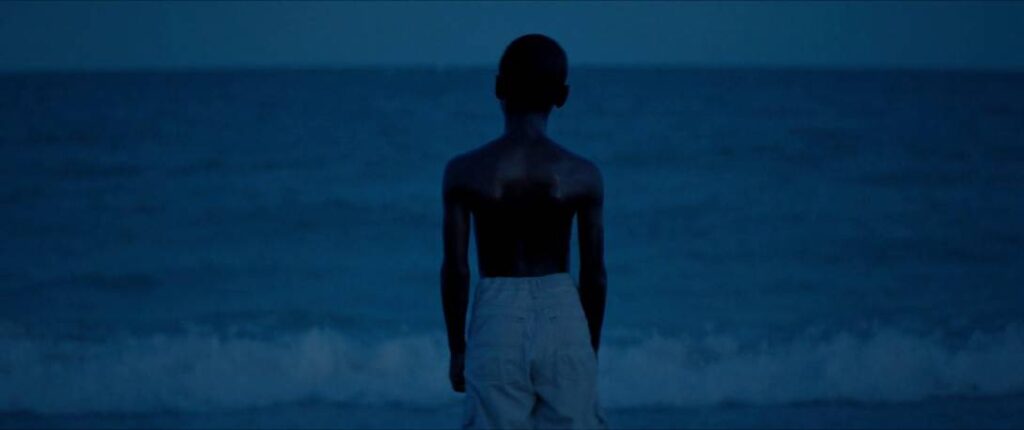
2016 – Gala Presentations: Arrival; Special Presentations: La La Land (People’s Choice Award 1st place), Lion (People’s Choice Award 2nd place), Manchester by the Sea; Platform: Moonlight
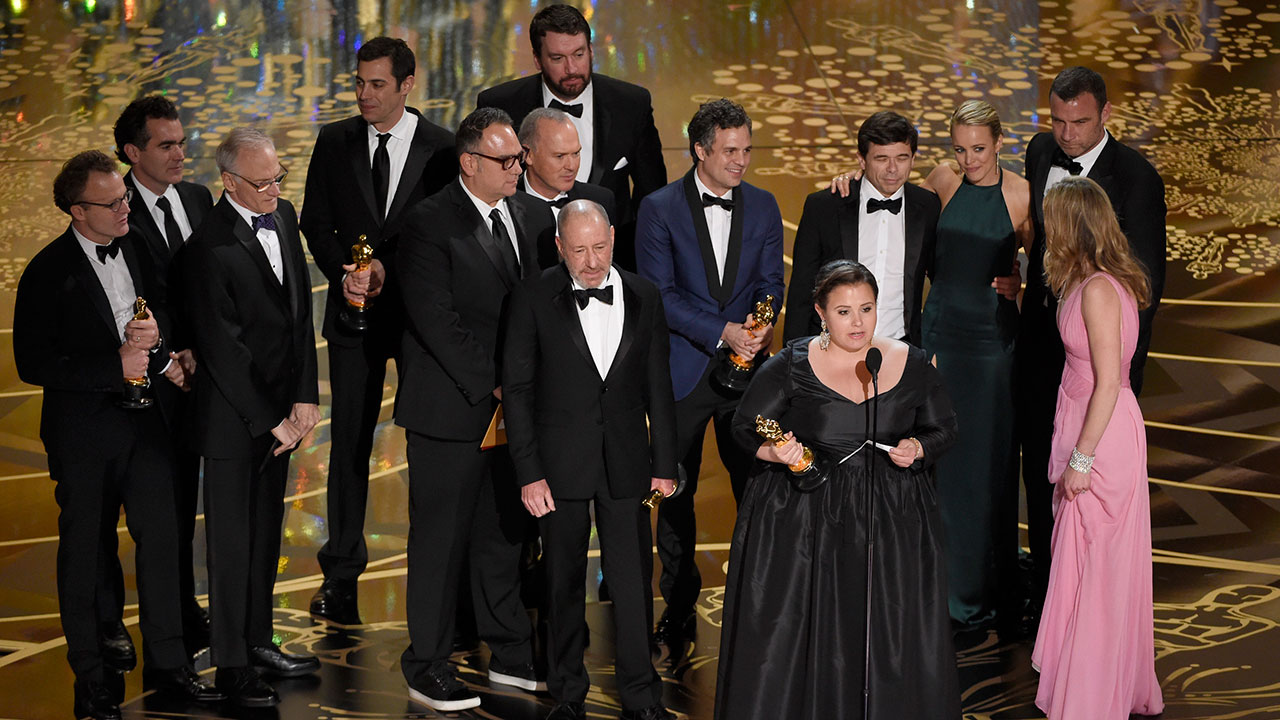
2015 – Gala Presentations: The Martian; Special Presentations: Brooklyn, Room (People’s Choice Award winner), Spotlight (People’s Choice Award 3rd place)
2014 – Special Presentations: The Imitation Game (People’s Choice Award 1st place), The Theory of Everything, Whiplash
2013 – Special Presentations: 12 Years a Slave (People’s Choice Award 1st place), Dallas Buyers Club, Gravity, Philomena (People’s Choice Award 2nd place)
From this, it seems likely that three to five films that played at TIFF will make it into Best Picture. In order of likelihood, Anora, Emilia Perez, and Conclave have the best chances, but The Life of Chuck, The Piano Lesson also have a chance as well, especially if Gladiator II ends up being underwhelming.
Blitz has yet to premiere but stay tuned for its world premiere at the New York Film Festival in the next week.
(Editor’s Note: A previous version of this article listed American Fiction as a competitor for Original Screenplay. This is incorrect as it is in the running for Adapted Screenplay since it’s based off the Percival Everett novel “Erasure”.)
Having now watched both Killers of the Flower Moon and Anatomy of a Fall, I’ve started to think about what films can actually win Best Picture this year. The problem with discussions of recent Best Picture winners is that people come to the table with a cynical point of view. They say things like the Academy only chooses films to appear “woke” and “progressive”. This ignores the fact that the films the Academy votes as the Best Picture of the year are films that are well-liked by most who see them. This line of thinking also treats the Academy like a monolith that works as a hive mind when it is an increasingly diverse group of industry professionals with widely different tastes and interests. The films that win Best Picture have to appeal to a broader audience than ever before, yet people seem to complain that the films the Academy picks have strayed far away from what the general population enjoys for the sake of “wokeness”. If the Academy has started to select more indie films it’s because in the age of the internet and streaming, films made outside the major studios now have a chance to gain the visibility needed to win Oscars. Something like Moonlight, which was made on a budget of just over a million and distributed by indie distributor A24 would not have received the kind of attention that it did prior to the 2010s. And that’s both a product of the rise of the internet and because of the Academy membership becoming more diverse and increasingly representative of their audiences. Now all of this is not to say that the Academy does not consider sociopolitical issues at all when selecting Best Picture. I think most Academy members choose films that they like and that they feel good liking to top their Best Picture ballots. Many of them want to feel like the choice they’re making is doing good and is representative of the image of Hollywood that they want to project. As a result, since Spotlight won in 2016, every subsequent Best Picture winner has had some sort of sociopolitically relevant message or context. With these requirements in mind, there are six films that I think could realistically win Best Picture (ranked in order of likelihood).
POOR THINGS
‘Poor Things’ (Searchlight)
In many ways, this film reminds me of 2018’s Best Picture winner The Shape of Water. It’s distributed and produced by awards titan Searchlight Pictures. It’s gained notoriety for its out-of-the-box sexuality. It won the Golden Lion at Venice. And they both are female-driven films from directors who started their careers outside of Hollywood that blend sci-fi and fantasy to create character-driven dramas. Unlike The Shape of Water, however, this film is even more critically-acclaimed (94 Metascore) and is also much more surreal and humorous. Those latter two qualities shouldn’t be too much of a problem considering this is the Academy that awarded Everything Everywhere All at Once with seven Oscars just last year. This film, Killers of the Flower Moon, and Oppenheimer are definitely going to be the biggest below the line players of the race. I see all three ruling the season as top five contenders along with two of the fivesome of The Holdovers, American Fiction, Barbie, Anatomy of a Fall, and The Zone of Interest.
This is a film that at its core is about a woman finding what she loves about herself. It’s the feminist vision of female self-love that Barbie tried to be. I think there’s a path for this to win Best Picture, especially since unlike Yorgos’ usual fare, this film is much more optimistic. Both audiences and critics are big fans of the film (it’s currently sitting at a 94 on Metacritic and a 8.5 on IMDb) and in this era where films like The Shape of Water and EEAAO are Best Picture winners, I doubt this is something the Academy at large will turn their noses up at (even though, yes, this is definitely more subversive than both those films). I can easily see this film winning Adapted Screenplay and possibly Director. If this wins Best Picture expect a win for Emma Stone in Best Actress as well. Techs like Production Design (it’s got this in the bag), Cinematography, and Costume Design are high possibilities as well. Yes, this film is weirder than the Academy’s usual tastes and it will alienate some but I think it has both a strong narrative and a lot of love from a diverse group of people, the two things a film needs to win Best Picture. Man, would I love to live in a world where the guy who made Dogtooth directed a film that won Best Picture!
AMERICAN FICTION
‘American Fiction’ (AmazonMGM)
Featuring a tour de force from Jeffrey Wright, a trenchant screenplay from Cord Jefferson and a stacked cast that includes Sterling K. Brown, Issa Rae, and Tracee Ellis Ross, this satire on the depiction of race in the media world is something that I can easily see winning Adapted Screenplay and then Best Picture if it gains enough traction. The question is will it? This is a film that I could see being limited to Adapted Screenplay (though Poor Things will be stiff competition). But it has racked up multiple film festival audience awards already, including the prestigious TIFF audience award which has launched multiple past Best Picture winners including Nomadland, Green Book, and 12 Years a Slave. It’s a satire on media exploitation that people seem to absolutely love. It’s something that can become very big if there’s a big enough push behind it. I could see it gaining love from groups like the Golden Globes, WGA, PGA, and maybe SAG. Expect BAFTA to basically ignore this one. It has relevance, it has a beloved cast, and it’s very fresh. Picture is a possibility but there’s also a chance that this is a film that dredges up a paltry 3 nominations come nominations morning.
OPPENHEIMER
‘Oppenheimer’ (Universal)
On websites like IMDb, Oppenheimer is undoubtedly going to go down as probably the most beloved movie of the year. The movie is going to be a top five contender and a major player in multiple categories. It’s a three-hour rated-R auteur film about a nuclear physicist that managed to make over a million dollars at the worldwide box office. The problem is where is the narrative? In previous decades, Oppenheimer being by far the most successful adult-oriented film of the year would almost guarantee it Best Picture, but this is not the 90s or early 2000s. The lack of Japanese perspectives in the film will haunt it throughout the season and I think will keep it from winning. This film honestly reminds me of films like Gladiator, Braveheart, Schindler’s List, and Forrest Gump. All of these films were adult-oriented “serious” films that were also certifiable blockbusters in their years of release. Oppenheimer is definitely better than all of them except for Schindler’s List but unlike them it will (most likely) not end up being this year’s Best Picture winner. Still, the Nolan film is sure to go down as a modern classic and not winning Best Picture will not keep that from happening. Best Actor and Director wins for Cillian Murphy and Christopher Nolan respectively are still definitely in the cards, but don’t expect this to triumph come Oscar night. It just lacks a narrative that I believe the Academy of today will get behind in large numbers. Unlike all of the Best Picture winners since Spotlight, it’s not a film that Academy members will be excited about voting for. It’s the kind of favorite that would’ve rolled through the season unopposed in previous years but without the socially conscious bent, people will not be passionately rooting for it as much as they otherwise would and I predict it will lose steam before the finish line.
KILLERS OF THE FLOWER MOON
‘Killers of the Flower Moon’ (Apple TV+)
Killers of the Flower Moon is Martin Scorsese’s most explicitly socially conscious film. With this movie, the legendary filmmaker interlaces themes of corruption, greed, trust, and American colonialism together to create what may be his best film since The Departed. The performances from Leonardo DiCaprio, Lily Gladstone, and Robert De Niro are phenomenal, the latter two may even win in their respective categories. With an 89 Metascore and an 8.2 score on IMDb, the film is clearly very well-liked by both critics and audiences. This is a film that will do well both above-the-line and below-the-line. Cinematography, Production Design, Editing, and even Costume Design, Sound, and Score are all possibilities. While I don’t see this winning Screenplay, it can easily win Director if it ends up being a top 2 or 3 Picture contender.
The Israel-Palestine conflict is looming large throughout the world and that includes Hollywood. The SAG-WGA strike is as well and as a result, the Academy voting body come January may be a Hollywood that’s looking for media that communicates the desire for uprising against authority. Of the films in contention this year, Killers of the Flower Moon is the only one that explicitly deals with colonialism. While the American colonialism of Native Americans in no way perfectly parallels Israeli colonialism of Palestine, situations and discussions in the film sometimes reminded me of details of the Israel-Palestine historical context. With this film, Scorsese makes an explicit plea for the horrors of American colonialism to be brought to light. He makes an argument for the value of uncovering histories of race-based atrocities and making the world aware of them as such, and not as “entertaining true crime stories”. While I think the Scorsese style does muddle his ultimate message to an extent, the film is more politically effective than any narrative film he has made in his career so far. It’s unquestionably one of the best films of the year and I think that even if it doesn’t win Best Picture, it has a strong case for other above-the-line wins, especially Best Actress. Lily Gladstone and Emma Stone will likely be battling out this category until the end.
However, even though this film was made with the blessing and collaboration of the Osage Nation, it will inevitably receive criticism for centering a story that deals so deeply with the Osage people through the eyes and perspectives of white characters. For the majority of the film, Native American characters are seen through the eyes of white characters and while Scorsese does take care to humanize his Native American characters, they still are not given the perspective in a film that centers around their world. While this will be talked about as Oscar season goes on, it will not hurt the film too much if it’s strong enough of a contender (see: The Green Book controversy).
THE HOLDOVERS
‘The Holdovers’ (Focus)
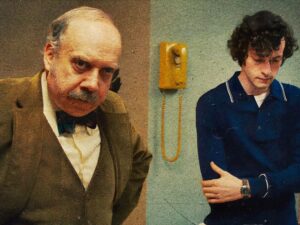
This is the kind of film that would be a massive contender in the 80s and 90s. And while we obviously aren’t in those eras anymore, winners like Green Book and CODA show that the Academy is still liable to choose accessible family-friendly dramedies as their choice for the best film of the year. The Holdovers is probably better than both, but if Alexander Payne has never been in the top 3 Picture contender conversation before with films like Sideways, Nebraska, and The Descendants, what says he will now? That’s fair but none of those films were as socially conscious in the way that the Academy leans towards. The Holdovers, however, is. Still, I can very much see this being a film that gets limited to nominations in Picture, Original Screenplay, and one or two acting categories. I think Da’Vine Joy Randolph has a great chance in Supporting Actress, which is one of the reasons I think many in the Academy will choose to go with something like American Fiction in Original Screenplay.
BARBIE
‘Barbie’ (Warner Bros.)
Honestly, I really am confused about what I think Barbie’s Oscar prospects will be. The film was clearly a phenomenon and will be nominated for Best Picture, but could it win? Maybe the hype that remains around the movie is deluding me into thinking it has a chance but the film is also the 11th highest grossing film in the US all-time and presents a vision of a feminist utopia that has spawned thinkpiece after thinkpiece. Honestly, I think the route of highest likelihood for this movie is that it will end up something like the similarly commercially-successful and utopian Black Panther. Greta Gerwig’s film will probably win Original Song and Costume Design and will be nominated in a handful of other categories as well including Best Picture (Black Panther won Score as well, but Barbie most likely won’t be nominated for that). Though unlike Black Panther, Barbie should receive more above-the-line nods, expect love in Supporting Actor, Original Screenplay, and possibly Director and Lead Actress. The more I think about it, the less I see it winning, but you never know.
How did Mattel allow this? The same company that sued Aqua for the group’s iconic 90s hit “Barbie Girl” for “trademark infringement, unfair competition, and trademark dilution”, allowed their beloved IP to be validly criticized and make hilarious quips about “beaching each other off” and their lack of genitals. Clearly, they’re a lot more lenient now, especially since that very Aqua song found its way into the film as the main sample for Nicki Minaj and Ice Spice’s track “Barbie World”. But what’s even more surprising is how Mattel is portrayed in the film. From the trailers, we already had a look at Will Ferrell as the CEO of Mattel, a company headed by a board room of men in matching, well-tailored suits. While the film doesn’t portray them as the undeniably evil corporation they could have, they are not positive characters. When Barbie enters the real world, the corporation reacts by trying to put her “back in her box”. And yes, that is a loaded phrase and if you already haven’t guessed it, this film has a lot more on its mind than many viewers might have imagined.
The scathing reviews from men like Ben Shapiro and Ted Cruz might’ve clued you in, but Barbie is a film about feminism, female solidarity, and existential questions. And the film still managed to have me giggling in the theater throughout. While director Greta Gerwig’s control of the tone isn’t perfect, it doesn’t leave too much to be desired. Serious poignancy and one-liners often come back-to-back but it hardly ever feels muddied. This is quite an ambitious film. There is a large swathe of thematic and narrative ground covered and while certain things (the mother/daughter subplot, some monologues) might come off as either underwritten or heavy-handed, the film is still affecting and does not lose sight of its emotional core. And that core is Margot Robbie in the titular role. She delivers a knockout performance, simultaneously managing to be absolutely hilarious while also imbuing the character with more depth and nuance than I could’ve ever hoped for in a movie about Barbie. She’s the beating heart of this film and adds to her repertoire of being one of the most talented stars working in Hollywood today. Ryan Gosling is also phenomenal, any questions about whether he was a good choice to play Ken should be completely dispelled. Gosling steals nearly every scene he’s in and everything from his line delivery, to his sulky expressions, to his vocal performance on the track “I’m Just Ken” (a soundtrack highlight on an album featuring great songs from PinkPantheress, Charli XCX, Billie Eilish, and Dua Lipa) is just so so good. This is one of the funniest blockbuster comedies of the decade so far. Gerwig and co-writer Noah Baumbach (the writer-director of Marriage Story and The Squid and the Whale) deliver a script that is sometimes broad, sometimes incredibly specific (The Godfather and Stephen Malkmus jokes were too accurate, Gerwig clearly has had to deal with her fair share of film and music bros), and rollickingly hilarious throughout. But the humor doesn’t stop this film from touching on subject matter like female solidarity and feminism in a compelling and affecting way. While I expected these topics to be included, what surprised me most about the film’s more serious themes was how much it focused on existential questions about death and what it means to be human. Robbie portrays this beautifully, what was once proverbially plastic slowly becomes skin and bones, her journey into humanity is deeply captivating.
‘Barbie’ (Warner Bros.)
I would be deeply remiss if I didn’t mention the film’s phenomenal costume and production design. The candy-colored dreamland of Barbieland is breathtaking, both 6-time Oscar nominated production designer Sarah Greenwood and 2-time Oscar winning costume designer Jacqueline Durran should see Oscar nominations coming their way this year. Sets like the home of “Weird Barbie” and the journey from the Barbie world to the human world are so wonderfully imaginative and brilliantly realized. On the subject of the Oscars, I wouldn’t be surprised if Warner Bros. makes Barbie one of their biggest pushes. A critically acclaimed summer blockbuster with explicit social commentary, Barbie has what it needs to be nominated for the Academy’s biggest prize if Warner Bros. plays their cards right. They also have Dune: Part Two (Nov. 3) and The Color Purple musical adaptation (Dec. 25) on their slate this year so we will see how they end up balancing those three films in the heart of Oscar season.
I began this article with incredulity about how Mattel let this movie happen, but interestingly the company was in fact a close collaborator in every step of the production process (there’s a fascinating New Yorker piece about this that I recommend). And while I do give Mattel credit for allowing criticisms of Barbie and her “message” to be illustrated as valid throughout the film, the corporation’s influence is definitely felt. There are times where I was left wishing for more from the film, for it to go even further and with more complexity. The film was also a lot more straight than I was expecting, Barbieland is very heterosexual and it’s never explicitly addressed, this being another aspect that was likely a product of close corporate involvement. Obviously, a lot of this is a product of my expectations and is possibly unfair as a criticism of the film but these aspects of the film were clearly felt.
Barbie is so many things, absolutely hilarious, ridiculously entertaining, and undeniably flawed, but it unquestionably confirms Gerwig’s place as one of the most versatile and exciting young filmmakers in Hollywood today.
In his revolutionary 1965 manifesto ‘The Aesthetics of Hunger’, landmark filmmaker and film theorist Glauber Rocha wrote “The moment of violence is the moment when the colonizer becomes aware of the existence of the colonized. Only when he is confronted with violence can the colonizer understand, through horror, the strength of the culture he exploits. As long as he does not take up arms, the colonized man remains a slave.”
When Rocha says violence he doesn’t mean bloody revolution but instead is defining violence as when abuse towards the oppressed is forced into the view of the oppressors. And this abuse can’t solely be forced into the sights of the oppressors, it must be portrayed in an unabashedly polemic manner, to the point where there is no doubt that what is being viewed is inhumanity. Rocha promoted this portrayal of “violence” as one of the purposes of the Cinema Novo movement, a Brazilian movement led by Rocha and filmmakers such as Nelson Pereira dos Santos and Joaquim Pedro de Andrade that dedicated itself to promoting social equality through the depiction of underdeveloped and impoverished regions of Brazil.
And while Cinema Novo’s relationship with the Third Cinema movement is much-discussed (one camp seems to be those who believe that Cinema Novo is an early subcategory of Third Cinema and the other sees the movement’s influence from the Italian Neorealist auteurs as evidence that the movements should be put into two different categories), there are undeniable parallels between the two. One being the common focus on the idea of a camera as a weapon capable of an artistic assault on oppression. Ousmane Sembene’s 1966 masterpiece “Black Girl” epitomizes this. The film is an explicit and unambiguous condemnation of the European neocolonialism that perpetuates the profound racism, classism, and general inhumanity inherent in colonial systems.
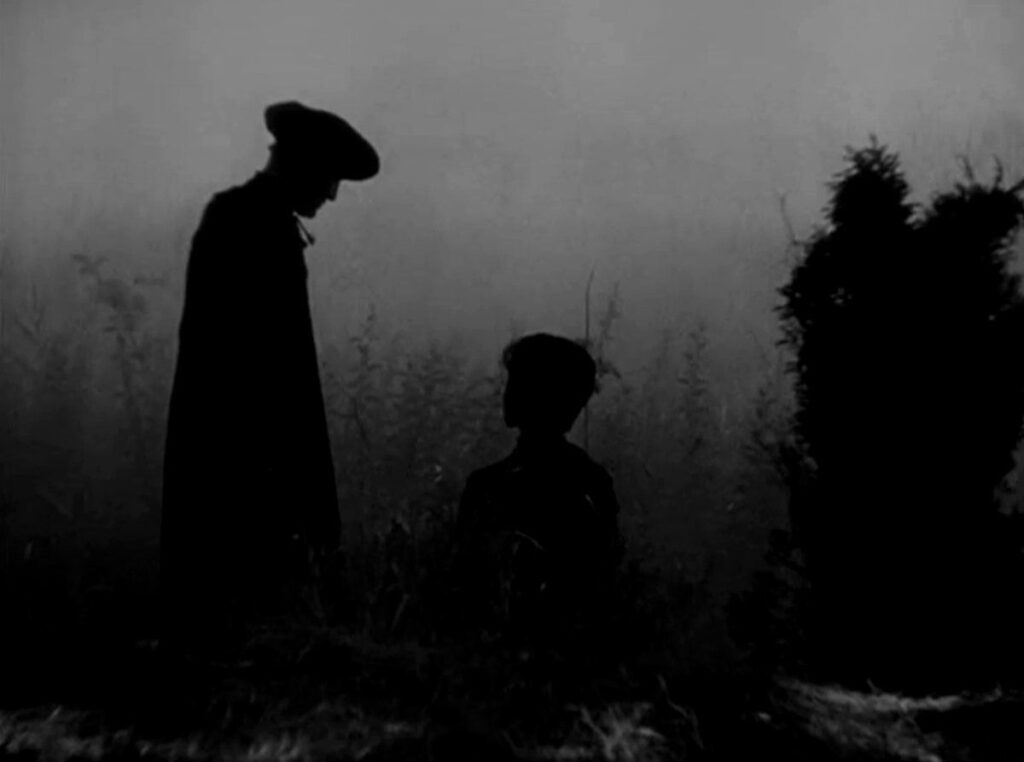
And while the entire film is centered around this, the last sequence in particular is one of the best cinematic articulations of Rocha’s goals among Third Cinema and Third Cinema-adjacent films. The sequence almost functions as an epilogue. By this point, the film has already hit its climactic moment, with Diouana committing suicide in a bathtub Marat-style, choosing death as the only way to seize her agency from who have essentially enslaved her. After Diouana’s death, one of her former employers travels to Diouana’s home in Dakar to deliver Diouana’s items, including the mask she gifted them and a sum of money, to her mother who refuses. While it’s never explained why she refuses, one likely possibility is that she is fully aware of the way Europeans treat Africans and knows that the man offering her money likely had a part to play in the death of her daughter. Once rejected, the man begins to leave and a young boy (who may or not be Diouana’s younger brother) picks up the mask to wear it and begins to follow the man. Sembene’s camera cuts between the steadily advancing child, face fully concealed, and the increasingly uncomfortable European, the cuts growing more frantic as the sequence continues. Once the European reaches the bridge, he escapes to his car and drives off, the audience seeing the vehicle swiftly escape through the eyes of the child. Sembene cuts to the boy in the mask, his visage facing the camera for the first time in the sequence. He takes the mask off slowly, revealing his face looking at the car in the distance as the credits start to play.
‘Black Girl’ (Janus)
Masks depersonalize individuals who cease to be such while hidden behind them. While wearing the mask, the boy becomes a symbol of something larger, the Senegalese people, African victims of colonial oppression, the youth growing up in a newly-independent Africa. And as the boy follows the European, never letting him leave his sight, Sembene illustrates his purpose. He wants to instill fear in the minds of his neocolonial oppressors. The fear that Africa will not sit idly by as oppression occurs. The fear that their neocolonial oppression will be put under a microscope and that vitriolic art condemning it will be released to the masses. There is nothing more powerful than knowledge and with this film, Sembene displays not only his acute awareness of the circumstances his people are being subjected to but also a vow to spread that knowledge to his fellow Africans. This is deeply angry, political filmmaking and with the last sequence, Sembene gives the many European members of his audience a warning: Your sins will remain hidden no longer.
Ousmane Sembène once said that “Cinema is like an ongoing political rally with the audience”. The Senegalese auteur was previously a prominent figure in African literature yet switched to filmmaking as he believed it to be “a more effective tool for [his] activism”. Cinema is the most accessible of art forms and therefore in Sembene’s view the method through which to most effectively educate the masses. While lauded by European audiences throughout his career, Sembène made his art for the purpose of illustrating the preoccupations of his fellow Africans. Like Rocha, Sembene realized the importance of making neocolonial oppression impossible for the oppressors to ignore. So while he was mainly interested in making films for African audiences, Sembene wanted his work to shock European audiences, eliciting in them the fear that the people they are oppressing are conscious of the indignity of their circumstances.
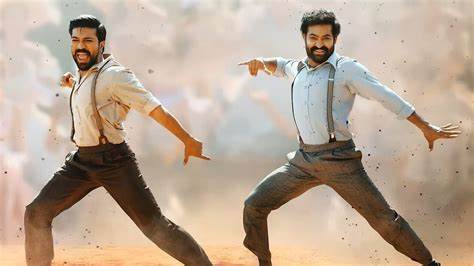
With its Best Picture nomination at the Critics’ Choice Awards, S.S. Rajamouli’s RRR is officially a top 12 Oscar Best Picture contender and I personally have it at my number nine slot, meaning I believe it will receive a nomination. Still, I have been very bearish on RRR’s chances this year, admittedly due to my own views about the film’s quality, in addition to reservations about whether such a bombastic and unabashedly ridiculous action picture would appeal to the Academy. But those concerns are likely foundationless as the Academy, as it is now, is dramatically less averse to genre cinema than it has been in years past, as has been shown by Everything Everywhere All at Once’s success and by the recent success of genre films like Black Panther, Get Out, The Shape of Water, and Joker. All these films had elements that implied that they were greater than their genre trappings would suggest. Those touting RRR as one of the best of the year claim the same thing, that it is a passionate anti-colonialist and anti-caste statement, utterly unique in the realm of Telugu and Indian blockbusters. But those claims, frankly, have many holes.
When it comes to social commentary, the primary buzzword I’ve heard concerning RRR is “anti-colonialist”, so let’s examine the extent to whether the film is anti-colonialist in any meaningful way. Are RRR’s villains British colonials? Yes, and they are one-dimensional caricatures at that, portraying the British as cartoonish yet uniformly ruthless (with the character of Jenny being the sole exception). But even though the British are shown clearly as racist oppressors, does the film present any position or display anything specific about the effects of colonialism in particular? I did not see any. While the film relishes in scenes of Indian-on-British colonist carnage, (some of which is admittedly incredibly satisfying) there is essentially nothing in it that seems specific to colonialism; the film instead depicts two heroes battling against a cartoonishly generic evil empire. Just because it contains anti-colonial violence from the story’s heroes does not mean the film does anything for it to be considered that it is promoting any sort of ideology surrounding anti-colonialism. While shots like the villainous Governor Scott’s blood splattering on “the sun never sets on the British empire” were cinematic touches that I enjoyed, the film says practically nothing about colonialism beyond the simplistic assertion that it was immoral and inhumane, which is expected from a mainstream Indian blockbuster but not from a film being touted for its so-called anti-colonialism.
In addition to being praised as anti-colonialist, RRR has also been praised as a staunch rejection of the caste system through the character of Bheem. Bheem is a member of the Gond tribe and after a Gond child Malli is kidnapped by British colonials, he vows to return her to her family no matter what it takes. Bheem is depicted as kind, gentle and capable, and initially seems like an equal to Raju, an officer in the Indian Imperial Police. While we learn later that Raju also comes from a village background, he has received Western academic, social, and linguistic education as a part of becoming an officer. He is ruthless like the British, his introductory scene featuring the officer confidently fending off hundreds of pro-independence protesters singlehandedly. As the more “westernized” of the two men it is refreshing to see them depicted as equals, however, this changes as the film goes on. When it is revealed that Raju is actually a double agent, infiltrating the British police in order to supply arms to his village, the film associates Raju with the Hindu god Ram (his love interest is even named Sita). Once Raju is connected to Ram he essentially becomes a god-like being, no longer an equal to Bheem. This idea is conveyed most convincingly in one of the film’s final scenes, where Raju asks Bheem to allow him to grant a wish for him. The wide-eyed Bheem asks Raju to provide education for him and his people, cementing the unbalanced power dynamic between the two. By situating Bheem on a level lower than Raju, the film can’t be called anti-caste as it undercuts its initial promise to situate Bheem as Raju‘s equal.
‘RRR’ (Netflix)
The closest the film comes to a political statement is in the final musical sequence (“Sholay”), which plays as a celebration of the leaders of the Indian independence movement. This sequence features many famous figures of India’s anti-colonial history including Subhas Chandra Bose, Sardar Vallabhbhai Patel, Bhagat Singh, Rani of Jhansi and Chhatrapati Shivaji Maharaj. What’s notable about this list is that only Hindu leaders are mentioned (with Bhagat Singh, born to Sikh parents, who later converted to atheism, being the sole exception). There are also many important figures notably absent such as Jawarhlal Nehru, B.R. Ambedkar, and the Father of the Nation himself Mahatma Gandhi. What do these figures all have in common other than being some of the most prominent Indian nationalists, they were pro-religious toleration and anti-caste system. It almost seems as if the filmmakers found these leaders’ religious toleration objectionable but were able to accept Subhas Chandra Bose’s alignment with Nazi Germany. Moreover, the complete erasure of Muslim Indian nationalists such as Maulana Azad from the discussion of Indian freedom fighters, while not unexpected, is disappointing. With India’s prime minister Narendra Modi forcing Hindu nationalist principles into Indian policy, (see: Citizenship Amendment Bill) these exclusions are unsurprising as other choices could cause Rajamouli’s film to receive the ire of the government in an India that is moving further and further away from being a free country.
But what is surprising is that a film that does absolutely nothing progressive in terms of the contemporary sociopolitical context of India is widely being touted as salient social commentary by Western audiences. That, to me, is incredibly frustrating and is the main reason I wrote this piece. Mainstream Indian cinema is, for the most part, inextricably tied to the agenda of the government as films that the Hindu nationalist majority believes go against their worldview and beliefs are protested, review-bombed on sites like IMDb, and end up underperforming at the box office. Almost solely through streaming platforms like Netflix and Amazon Prime can politically diverse mainstream Indian films and television be made. We are seeing an India where a Hindu propaganda film, literally government-endorsed, like The Kashmir Files (yes, the massacre and forced exile of Kashmiri Pandits did occur but is the film completely unnuanced and Islamophobic? also yes) can become a nationwide success. Now at this point you may ask, what does all of this have to do with RRR? Well, I believe understanding the context of the state of mainstream Indian cinema is integral to understanding why I scoff at any assertion that the film can be considered ideologically progressive in any way. I wouldn’t go as far to say the film is propaganda, pro-caste, or anti-Muslim but in today’s India, Rajamouli’s film says absolutely nothing as a social drama.
Now, discussing whether the film contributes anything artistically to the canon of Indian blockbuster cinema may seem trivial compared to the discussion of social commentary in the paragraphs above. However, I still want to judge the film on artistic merits as well so bear with me. As a child of Indian immigrants, (one from the Telugu-speaking state of Andhra Pradesh and the other from Hindi-speaking Uttar Pradesh) I grew up on the milieu of popular spectacles that were Bollywood masala fare and the Tollywood action musicals of stars like Mahesh Babu, Samantha, Pawan Kalyan, and Trisha. As a result, RRR comes from a genre I am familiar with. For the most part, Rajamouli’s film doesn’t really deviate much from the usual formula of these films. The sheer spectacle that’s been praised by many is something that is relatively commonplace in Indian cinema. The films that made Rajamouli a household name across the entire subcontinent were the two Baahubali films and from the perspective of spectacle, RRR does very little that those films do not. Both RRR and the Baahubali films contain high-octane, slow-motion heavy action sequences, in-your-face and stylish cinematography, and ridiculous scenes featuring CGI animals. However, these elements are not exclusive to Rajamouli’s films, blockbuster Indian cinema throughout the continent is littered with these features. When I came into RRR in June hearing all the positivity surrounding it, I assumed Rajamouli wouldn’t waste the biggest budget ever for an Indian film and would go all out. After finishing it, I was honestly disappointed by how reliant Rajamouli was on the usual tropes and fixtures of Indian and Telugu cinema. Just this year, Mani Ratnam came out with his first film in four years “Ponniyin Selvan: Part 1”, which like RRR is a big-budget period action-adventure extravaganza filled with energetic spectacle. Yet Ratnam’s film is more interesting as while it also adheres to many of the tropes seen throughout blockbuster Indian cinema, Ratnam imbues the film with a visual verve that gives the film its own distinct signature. In my eyes, the majority of RRR is stylistically indistinguishable from many other mainstream Indian blockbusters (though again the film boasts some elements that are definitely exceptions to this).
Still, RRR in many ways is a beacon of hope for the future, a future where non-Western cinema and specifically Indian cinema can be acknowledged widely by Western audiences as great filmmaking. Yet, the film is not the best Indian cinema has to offer, and in just the last few years Super Deluxe (Tamil), Kumbalangi Nights (Malayalam), Visaranai (Tamil), R.I.P. (Malayalam), Village Rockstars (Assamese), Article 15 (Hindi), The Disciple (Marathi) have proven just that. As an Indian-American, I am ecstatic to see an Indian film so widely-seen by general American audiences (and Netflix is in large part to thank for that), I only wish it was a film that was more deserving of that attention, one that better represented the rollicking, inventive entertainment and insightful commentary that the best of Indian cinema can offer. I am incredibly happy to see a film primarily in an Indian language be a likely Best Picture contender, and part of me wants to root for it solely on those grounds but I can’t help but return to the film’s wide variety of issues. Still, I am hopeful. RRR becoming the massive phenomenon it is, will open doors for other Indian cinema to receive Western acclaim as many will seek out other films like it. It cannot be understated how significant RRR’s success is for Indian cinema as a whole and I appreciate that. Now, hopefully, that exposure will help more deserving Indian films receive that attention.
Since 2015, when Todd McCarthy’s Spotlight won Best Picture, there has been a constant among the films the Academy has awarded with their highest honor: a sociocultural awareness. This is not to say the Academy’s desire to choose a socially aware film to represent what they believe to be the best of the year is new, far from it. In 1968, a famously landmark year for American political activism that saw major leaps in the public consciousness’ awareness of movements promoting anti-war sentiment, civil rights, women’s rights, LGBTQ rights, etc., the Sidney Poitier-starring In the Heat of the Night was declared the Academy’s winner. It’s no accident that a film featuring a white and Black man working together to solve a murder case in a racist contemporary Mississippi town won in a year where societal cognizance about injustices towards minority and marginalized groups was at a peak. All of this is to say that when political passion is at a high, Academy members do tend to lean towards media that they feel reflects and/or represents the sociocultural awareness they want to see.
Now for almost a decade, American culture has experienced an incredible amount of political passion and polarization and while this politicization has seen highs and lows during this timeframe, it has consistently been higher during this period than it has been in around 50 years. What this means is that the Academy choosing films like Spotlight (a film that celebrates journalists by telling the story of the intrepid Boston Globe reporters who uncovered widespread sex abuse among clergy in the Boston area), Moonlight (a coming-of-age story charting the early life of a young gay, Black man dealing with his identity), The Shape of Water (a love story between a deaf woman and a fish man, conveying the message that everybody deserves love no matter how different they seem), Green Book (a buddy film telling the story of an Italian-American bouncer hired to drive an African-American pianist on his tour of the South), Parasite (an examination of class discrimination through the lens of a home invasion thriller), Nomadland (a film that tells the story of a woman who, after losing everything in the Great Recession, becomes a nomad), and CODA (the story of a deaf family and their daughter who works to pursue her passion for music) is telling. Now I don’t enjoy reducing these films to these short descriptions because the majority of them are fantastic works of art that transcend these easy attempts to identify what they’re about, but I only hope to illustrate that they all share a level of consciousness over contemporary sociocultural issues.
This trend shows no signs of stopping anytime soon and therefore we must consider this factor when prognosticating our Best Picture winner. At this point in the season, we’ve established that our three frontrunners are Everything Everywhere All at Once, The Fabelmans, and The Banshees of Inisherin. These films have appeared at all the major precursors, they all have the Golden Globe nomination trifecta, and have found success with the critics’ groups. However, in my eyes, Everything Everywhere All at Once leads the pack. Both The Fabelmans and The Banshees of Inisherin don’t explicitly deal with any major sociocultural dilemma while EEAAO tackles themes of generational trauma and the experiences of immigrants (and their children) in America. On top of that, the film is probably one of the biggest word-of-mouth successes of the year and has sustained its momentum all the way from its original theatrical release in March.
Some may say that the old guard of the Academy won’t go for a film as wacky, deeply genre, and/or crude as EEAAO. But if the success of films like The Shape of Water, Get Out, and Parasite have shown anything it’s that these elements are not as much of a detriment in the eyes of the Academy as they used to be. If a film is beloved enough, which EEAAO most definitely is, it forgoes the need to conform to many of the traditional markings of a Best Picture winner. In my view, the film has the perfect cocktail of qualities on its side and doesn’t seem to be stopping anytime soon. Don’t be surprised to see the Daniels and the rest of their team on the stage waving that little gold man at the end of Oscar night.
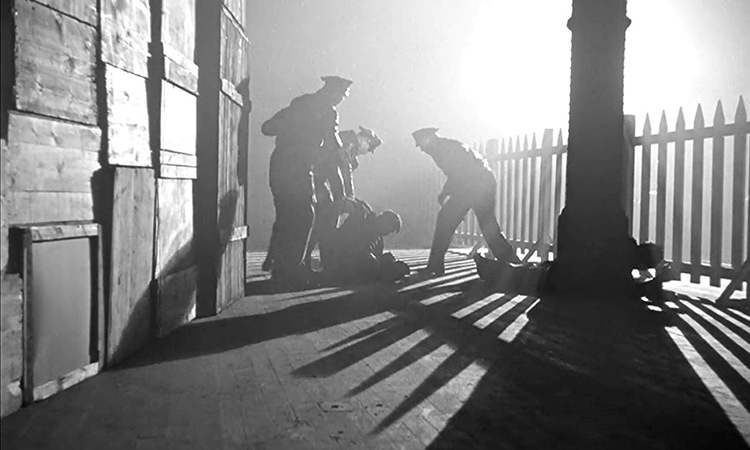
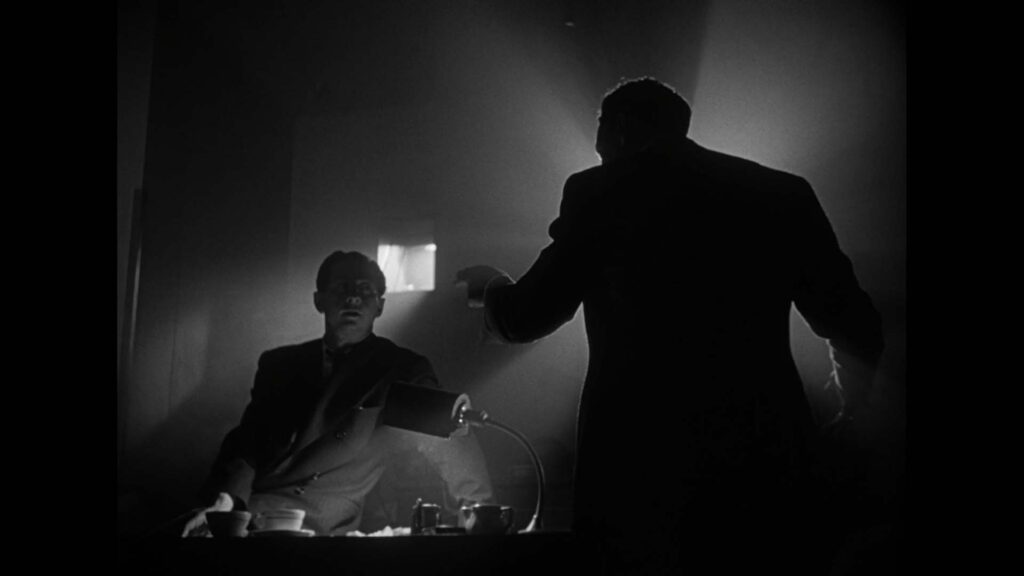
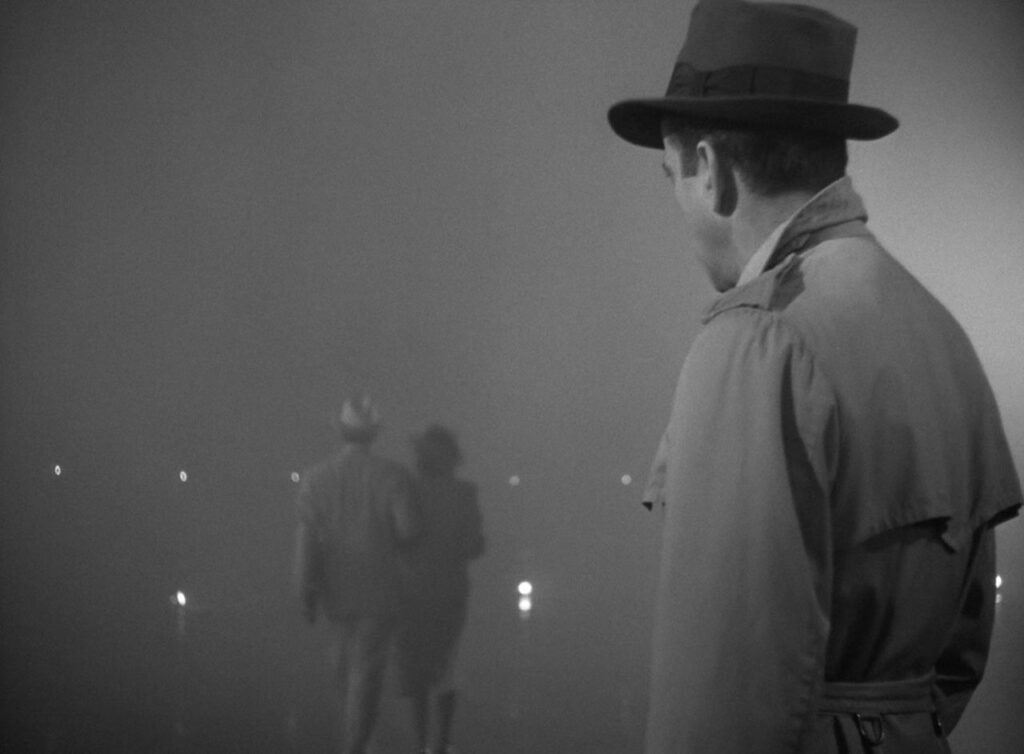
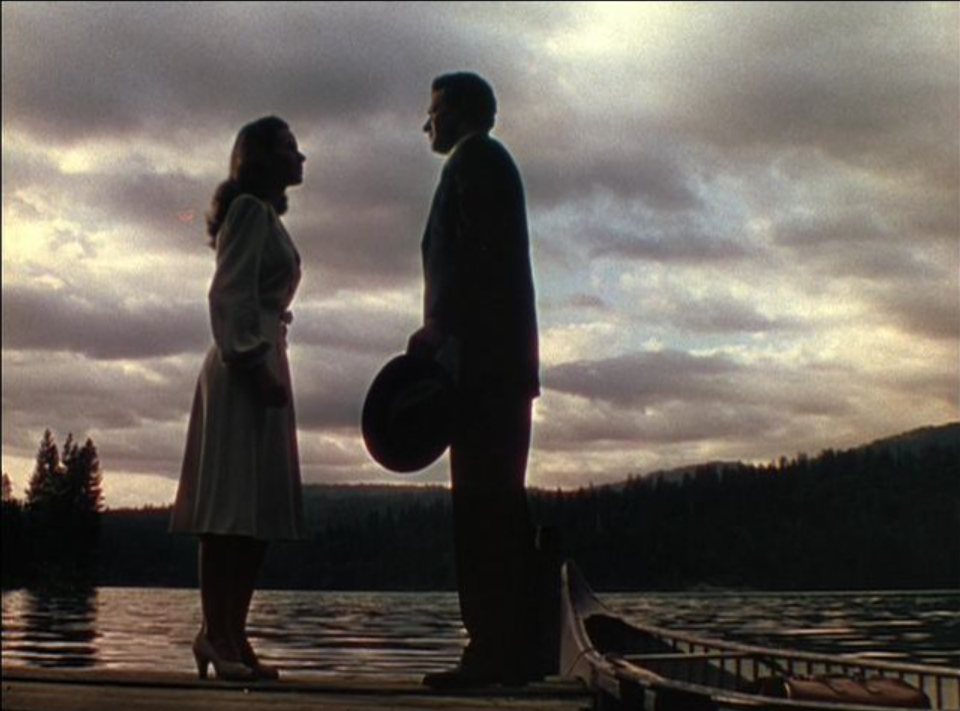
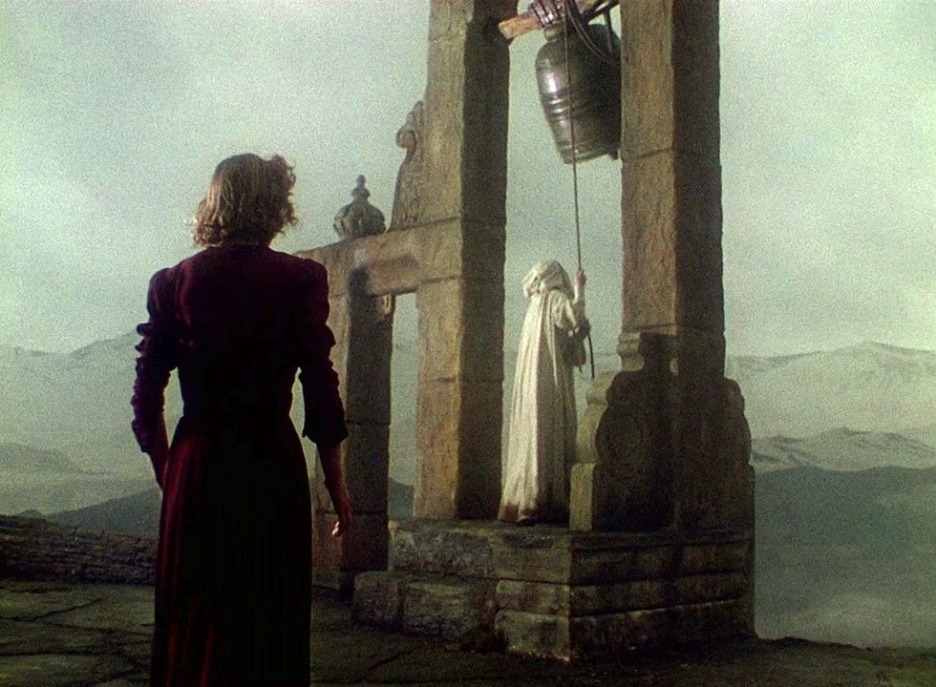
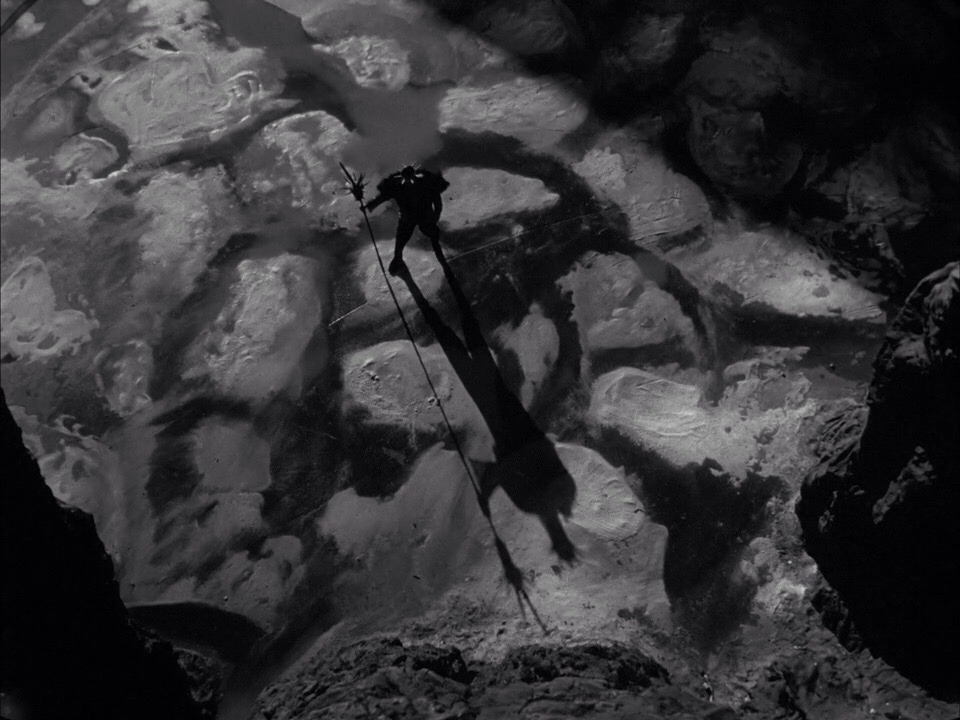
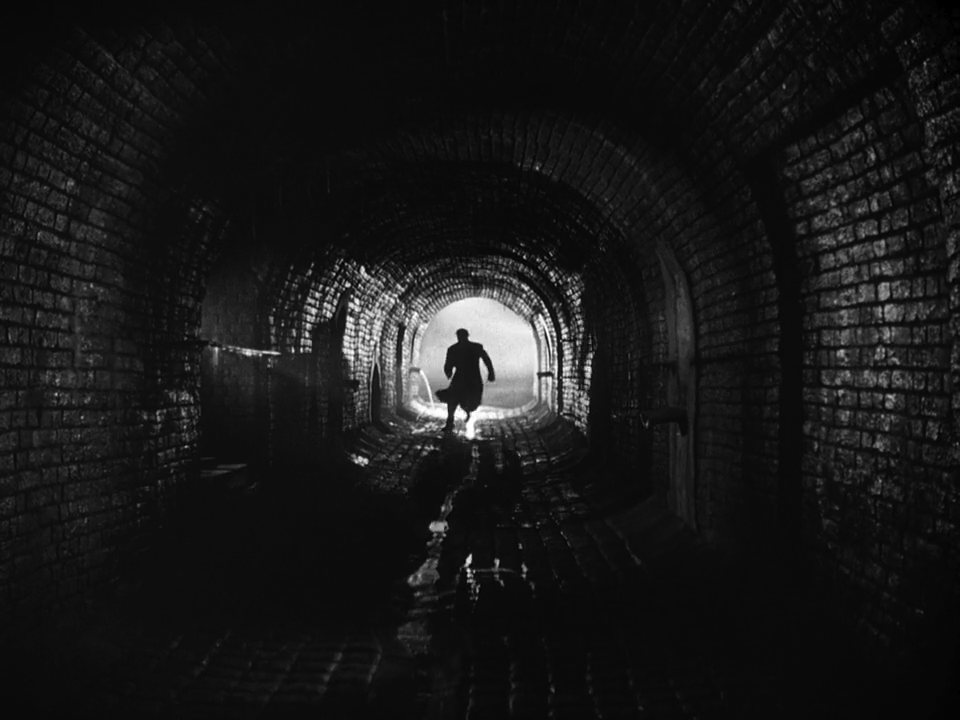
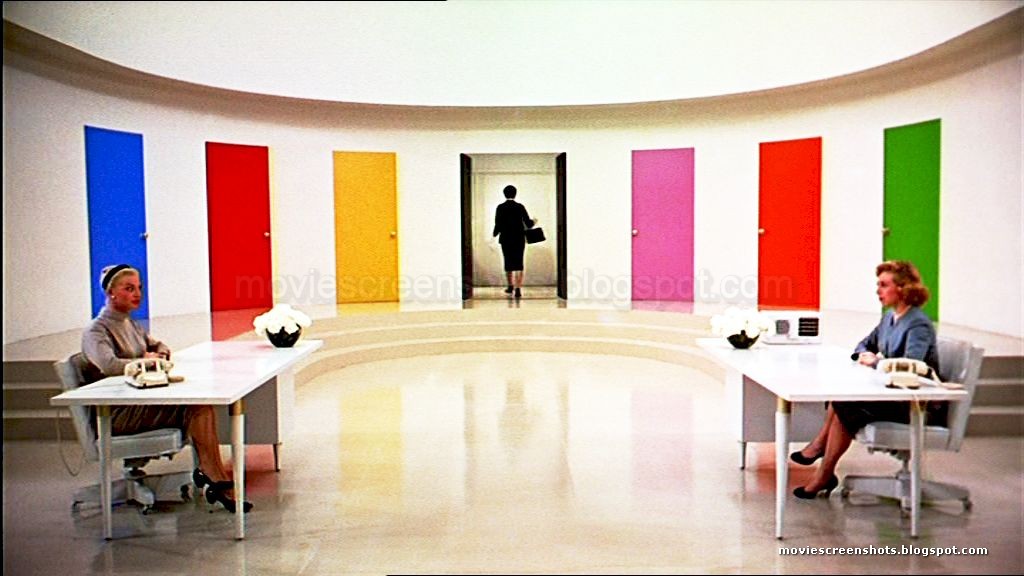
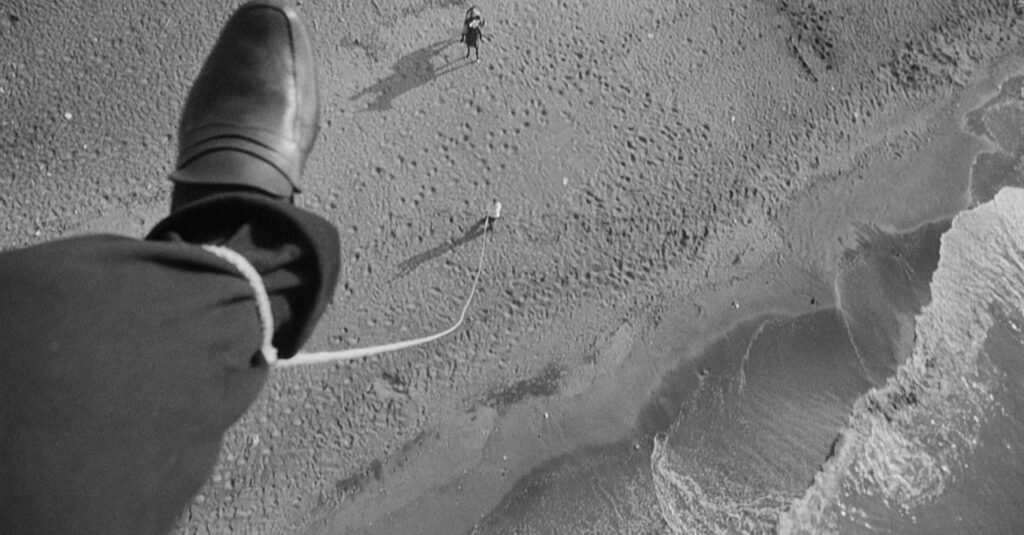
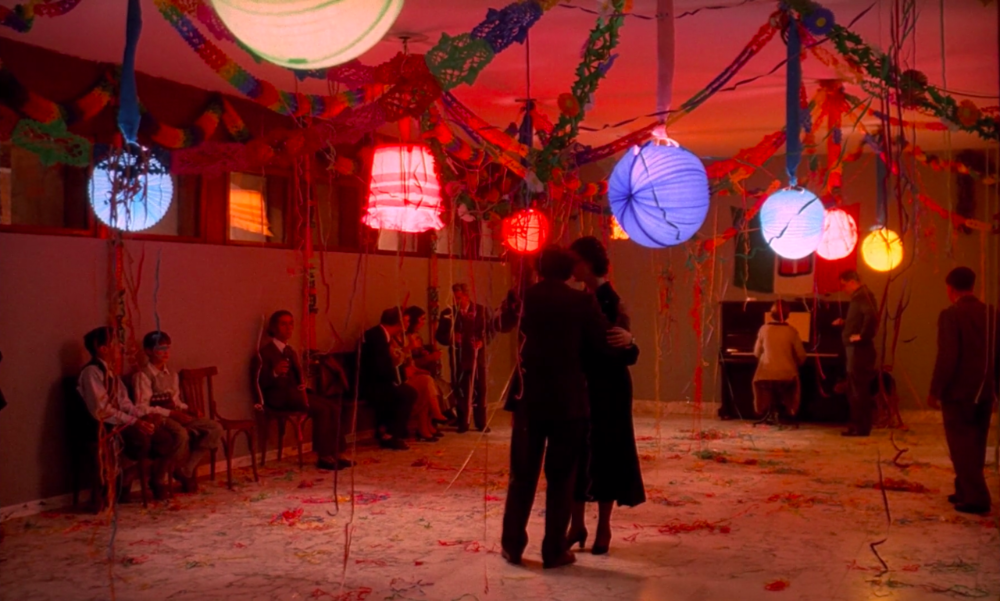
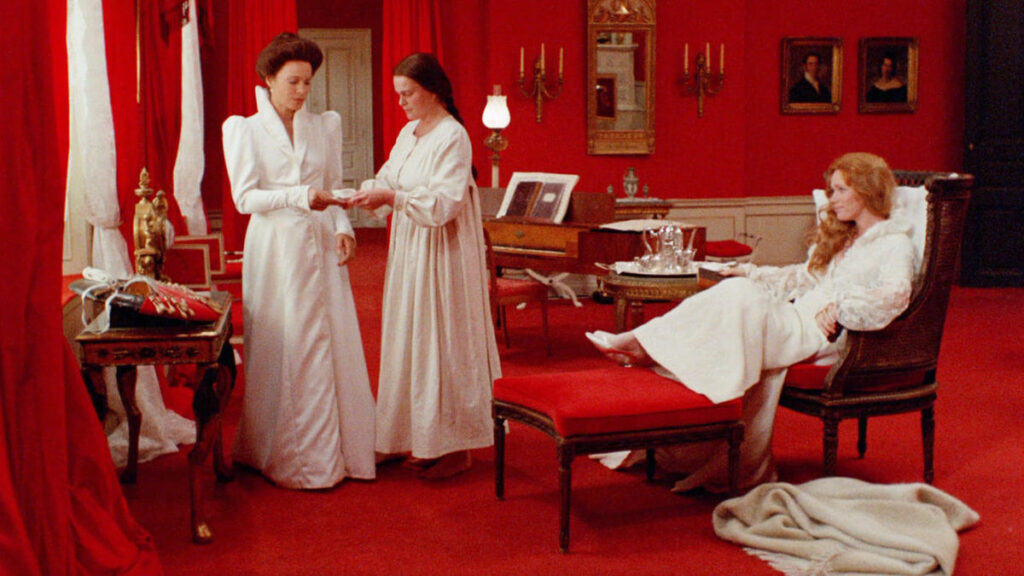
Even though I wasn’t able to choose only one shot from these movies I wanted to recognize the cinematography of ‘Far From Heaven’, ‘The Thin Red Line’, ‘All That Heaven Allows’, ‘Blood and Black Lace’, ‘The Umbrellas of Cherbourg’, and ‘Goodbye, Dragon Inn’ as fantastic
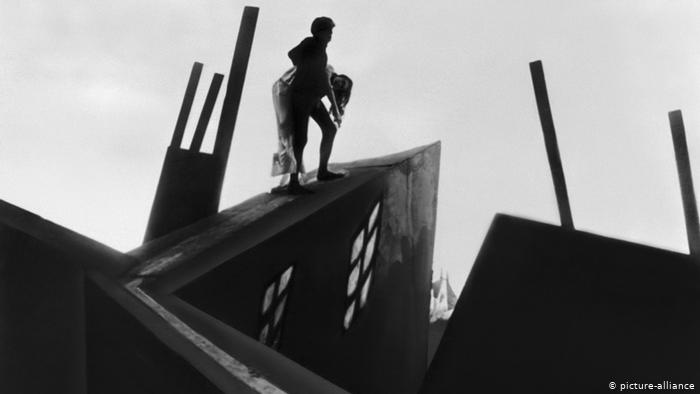
The Cabinet of Dr. Caligari (1920)
‘The Cabinet of Dr. Caligari’
Director: Robert Wiene
Cinematographer: Willy Hameister
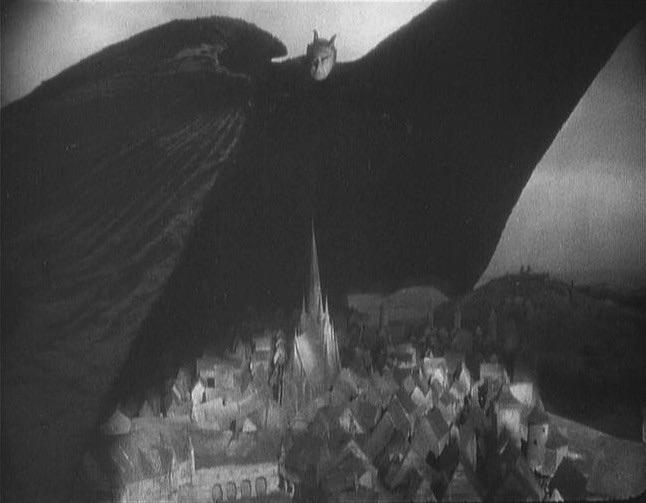
Faust (1926)
‘Faust’ (Universum Film)
Director: F.W. Murnau
Cinematographer: Carl Hoffmann
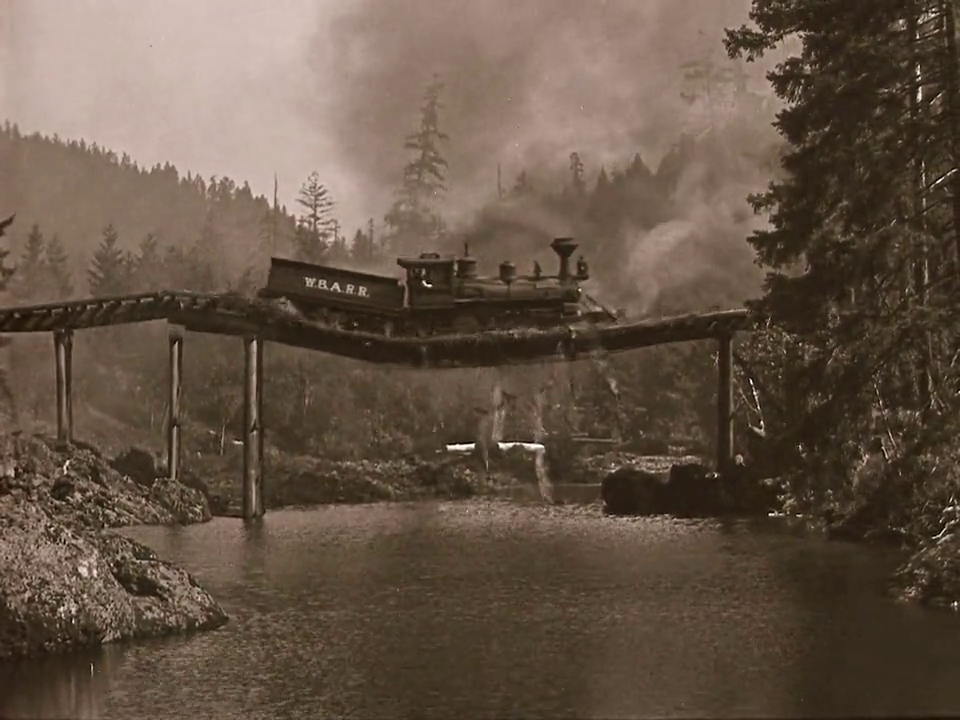
The General (1926)
‘The General’ (United Artists)
Director: Buster Keaton and Clyde Bruckman
Cinematographer: Bert Haines and Devereaux Jennings
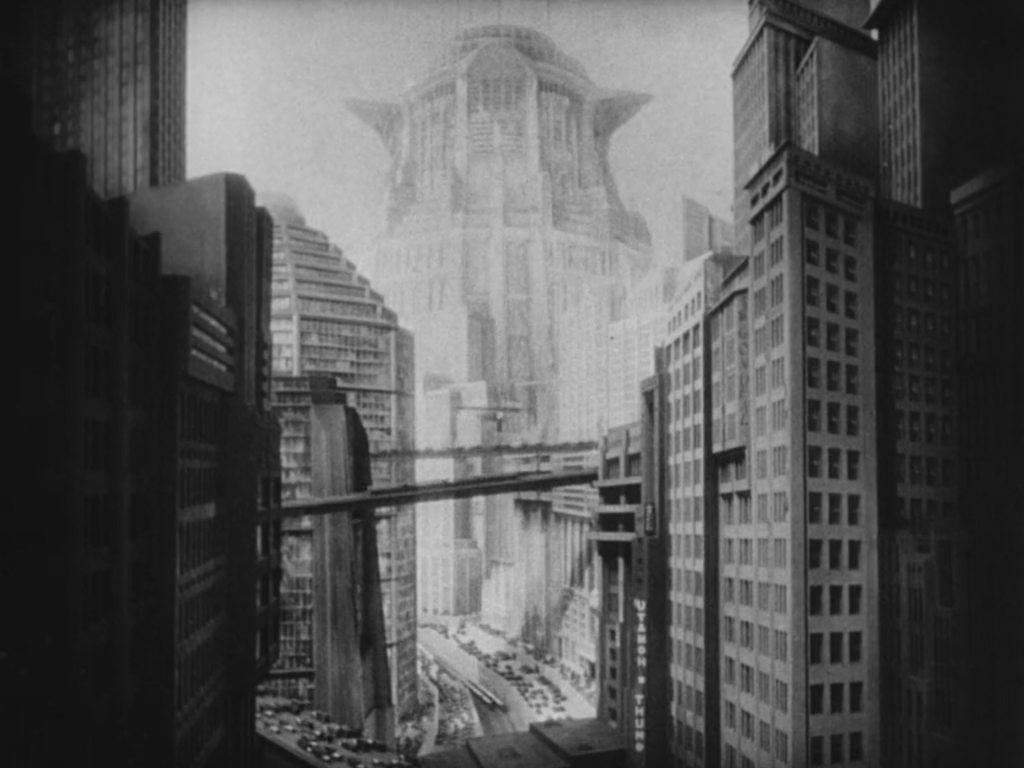
Metropolis (1927)
Director: Fritz Lang
Cinematographer: Karl Freund. Gunther Rittau, Walter Ruttman
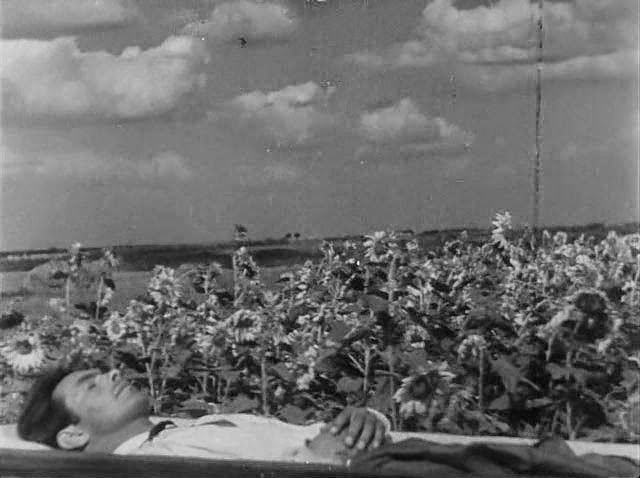
Earth (1930)
‘Earth’ (Amkino)
Director: Aleksandr Dovzhenko
Cinematographer: Daniil Demutsky
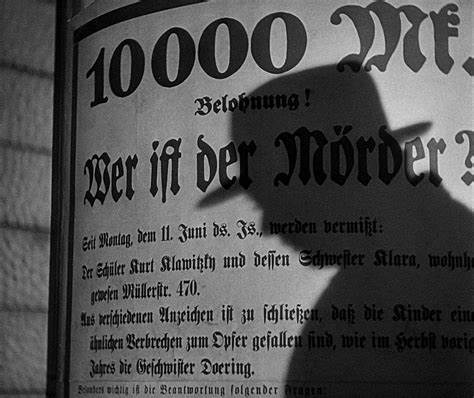
M (1931)
‘M’ (Vereinigte)
Director: Fritz Lang
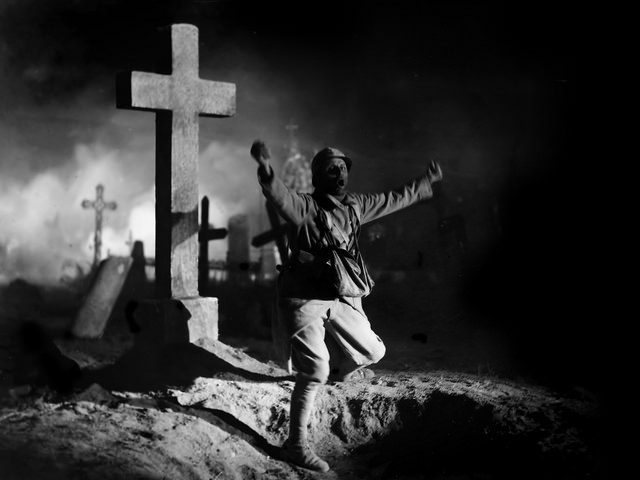
Wooden Crosses (1932)
‘Wooden Crosses’ (Pathe-Natan)
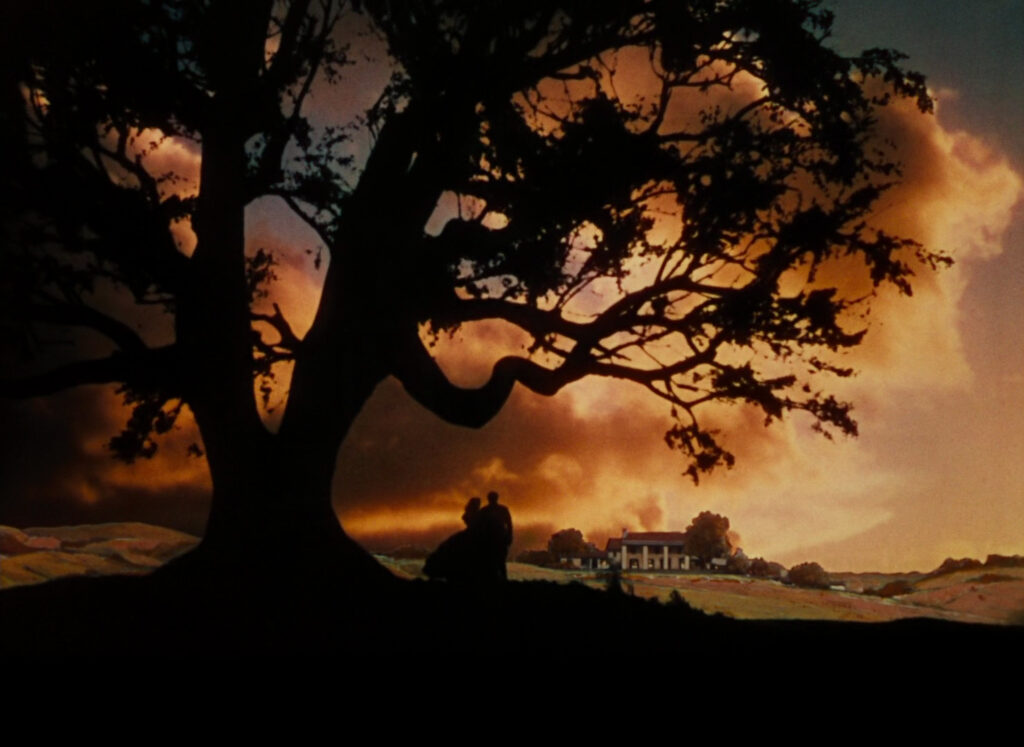
Gone With the Wind (1939)
‘Gone With The Wind’ (MGM)
The Long Voyage Home (1940)
‘The Long Voyage Home’ (United Artists)
Citizen Kane (1941)
‘Citizen Kane’ (RKO Radio)
Director: Orson Welles
Cinematographer: Gregg Toland
Casablanca (1942)
‘Casablanca’ (Warner Bros.)
Day of Wrath (1943)
‘Day of Wrath’ (Palladium)
The Gang’s All Here (1943)
‘The Gang’s All Here’ (20th Century Fox)
Leave Her to Heaven (1945)
‘Leave Her to Heaven’ (20th Century Fox)
Black Narcissus (1947)
‘Black Narcissus’ (GFD)
Macbeth (1948)
The Third Man (1949)
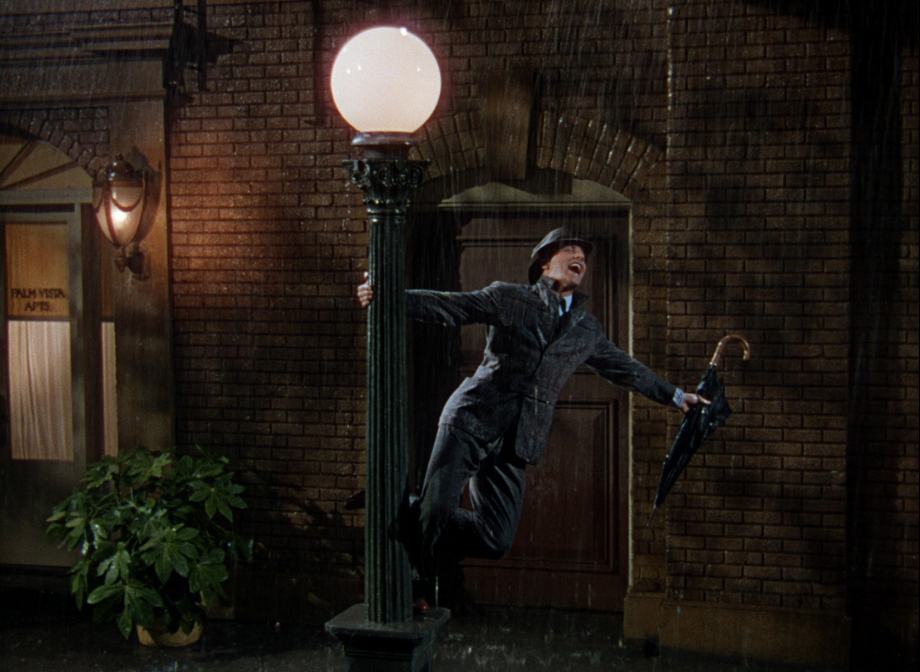
Singin’ in the Rain (1952)
‘Singin in the Rain’ (MGM)
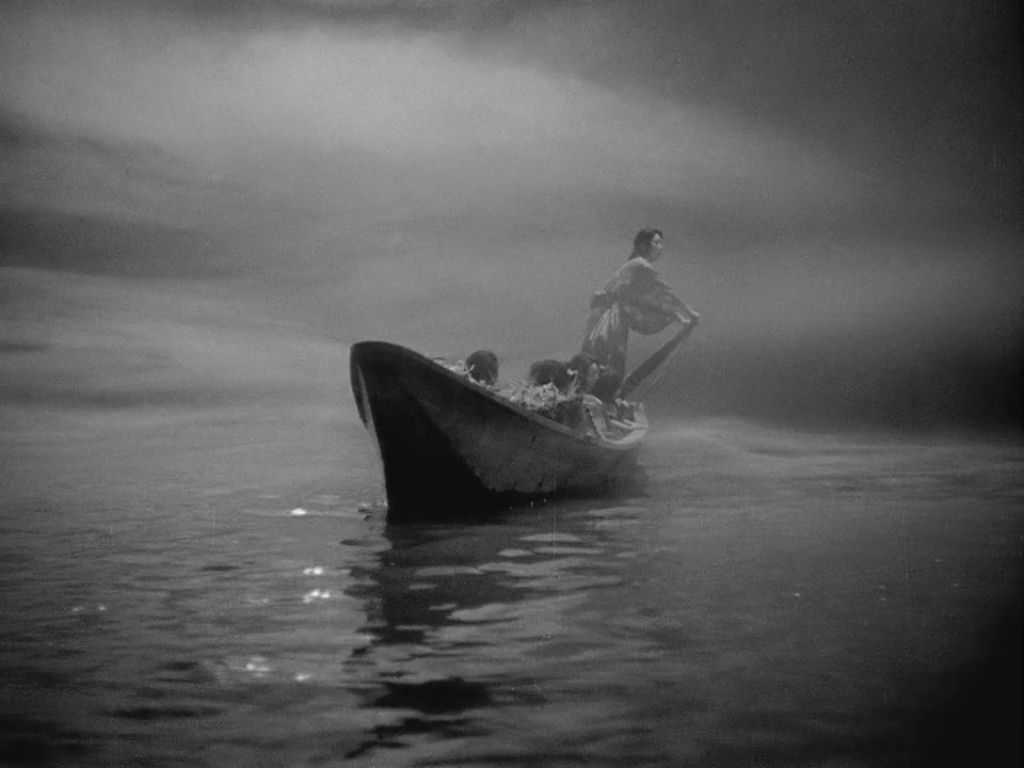
Ugetsu (1953)
‘Ugetsu’ (Daiei)
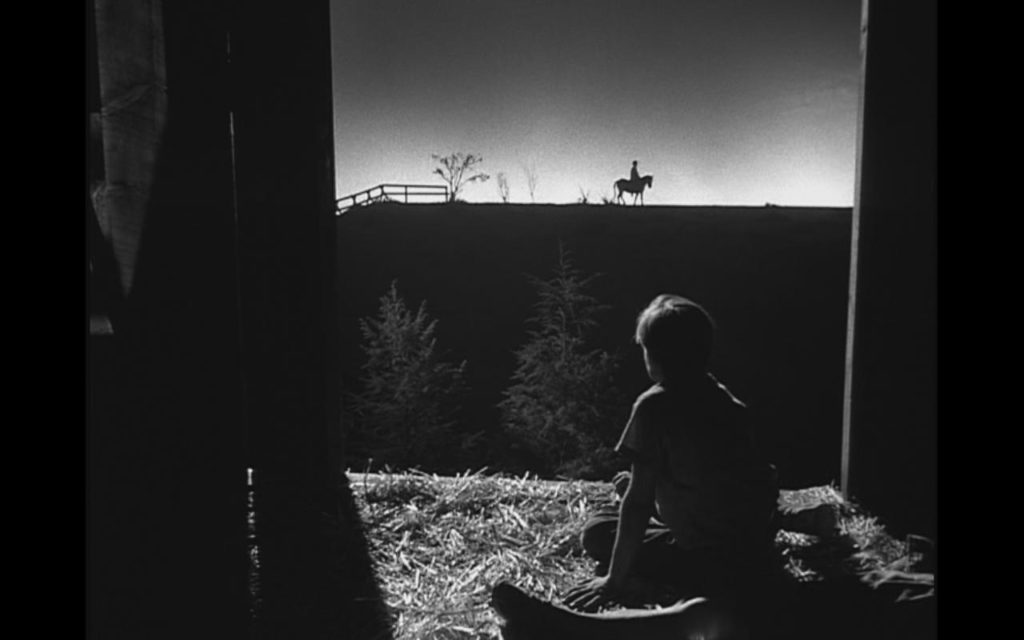
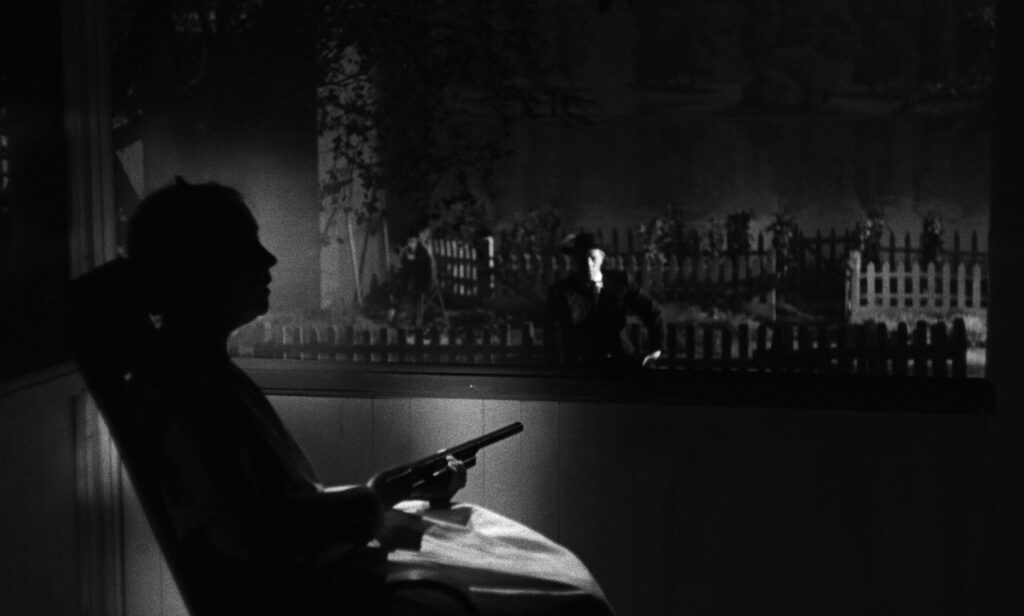
The Night of the Hunter (1955)
‘The Night of the Hunter’ (United Artists)
Pather Panchali (1955)
‘Pather Panchali’ (Curzon)
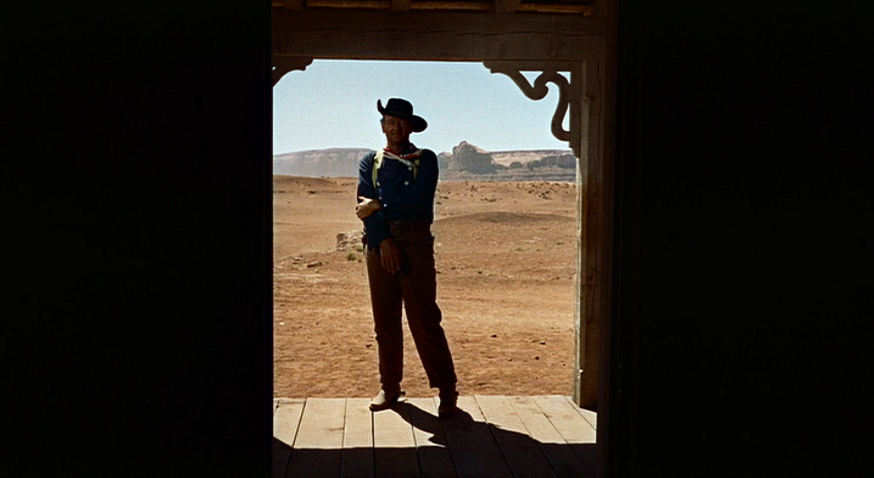
The Searchers (1956)
‘The Searchers’ (Warner Bros.)
Funny Face (1957)
‘Funny Face’ (Paramount)
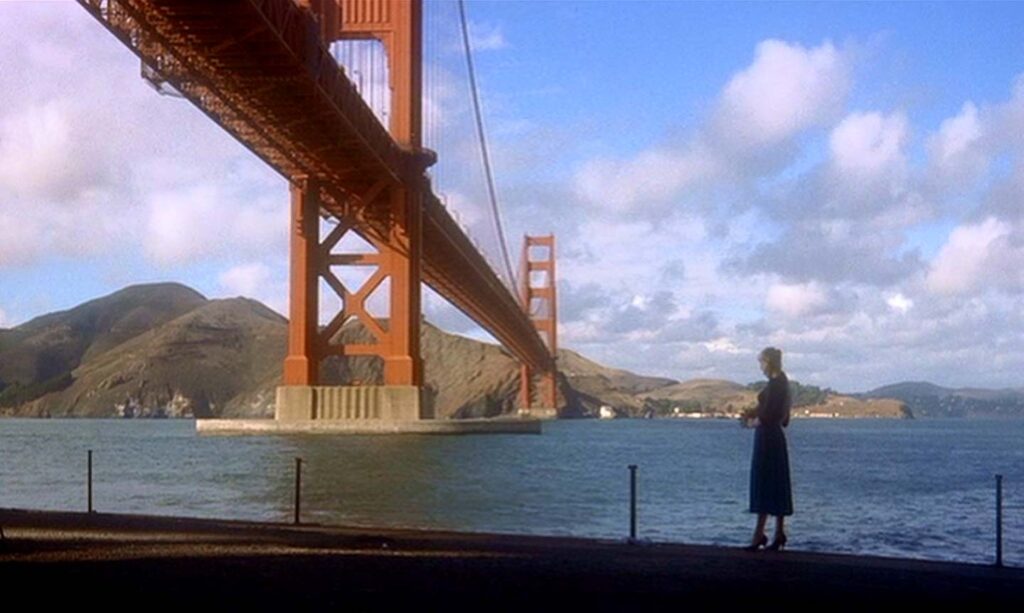
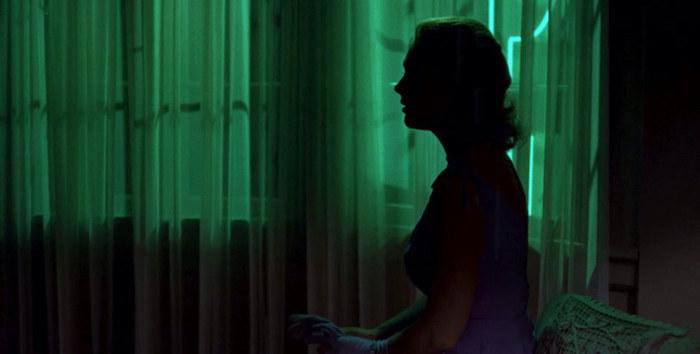
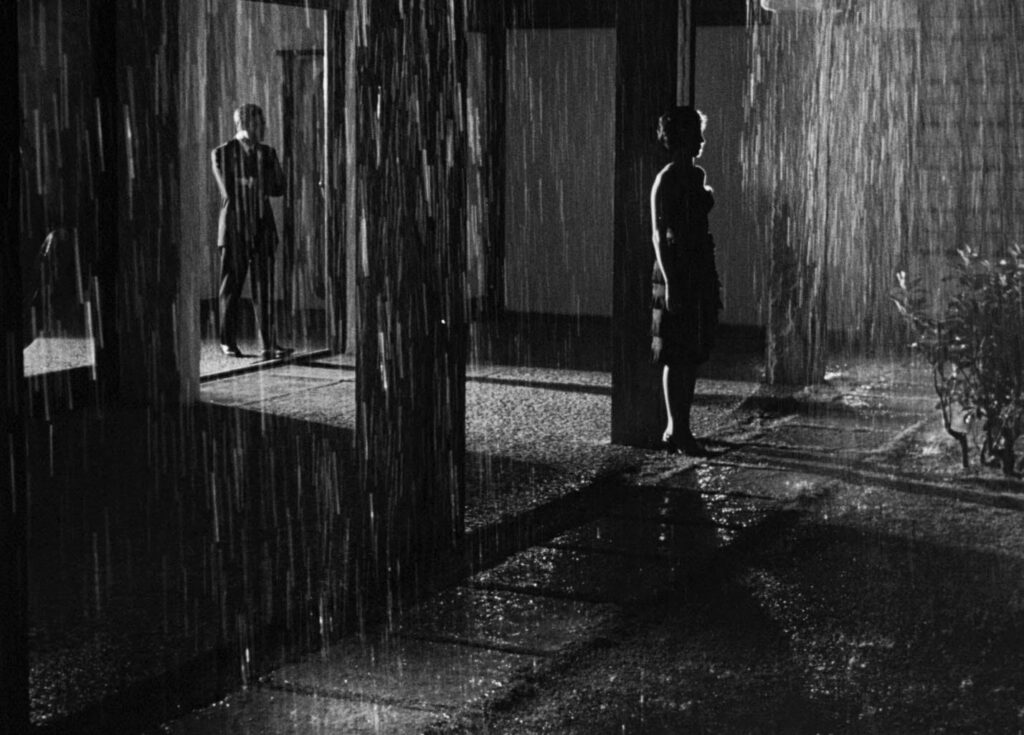
Vertigo (1958)
‘Vertigo’ (Paramount)‘Vertigo’ (Paramount)
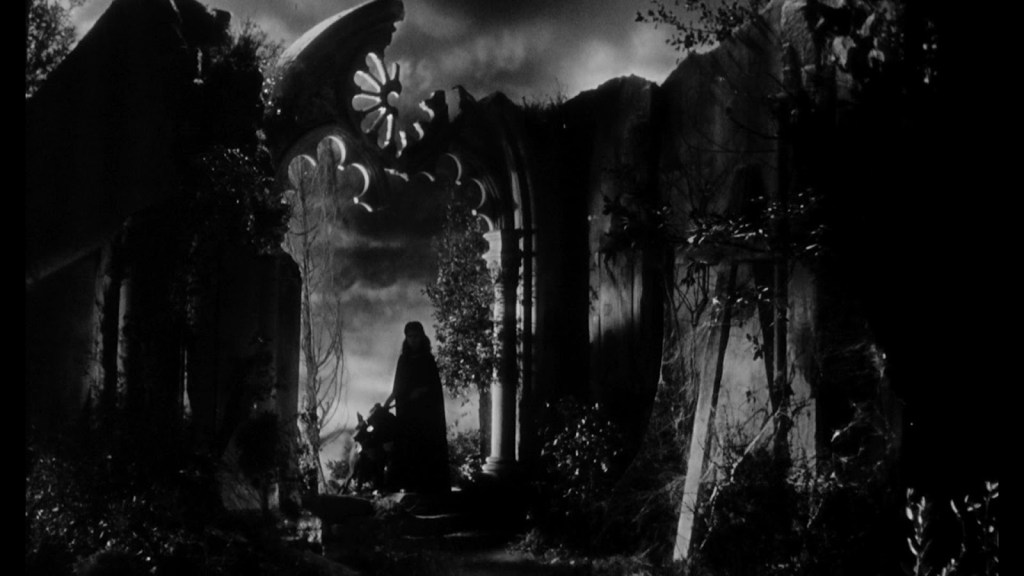
Black Sunday (1960)
‘Black Sunday’ (Unidis)
La Dolce Vita (1960)
‘La Dolce Vita’ (Cineriz)
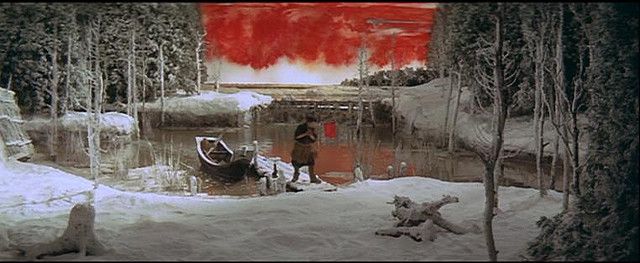
Letter Never Sent (1960)
‘Letter Never Sent’ (Mosfilm)
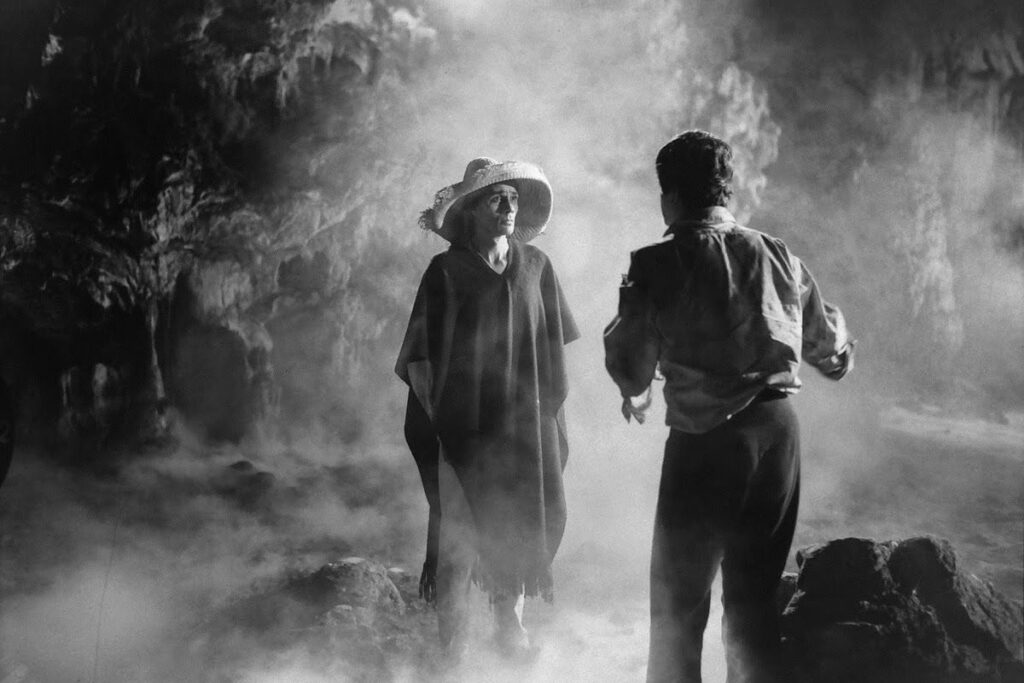
Macario (1960)
‘Macario’ (Azteca)
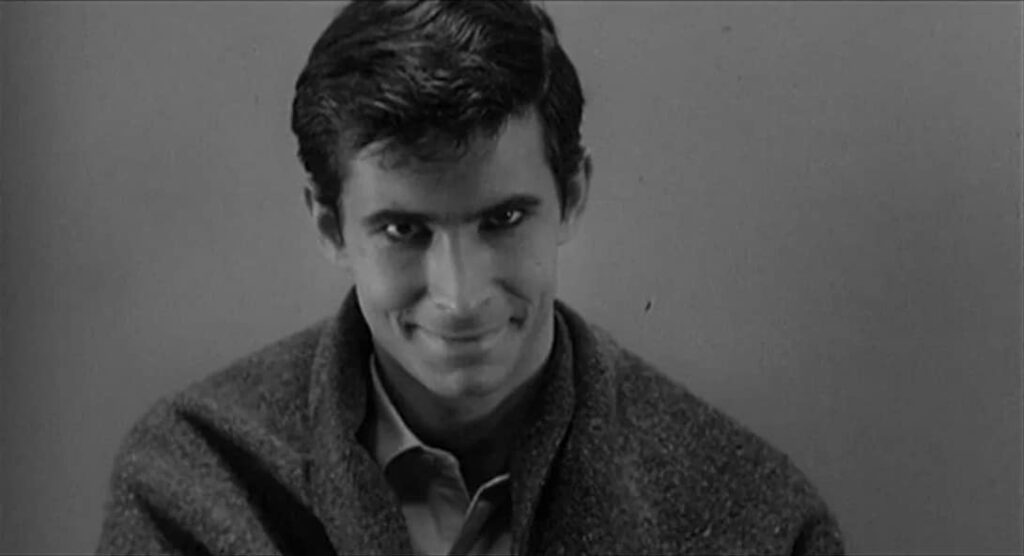
Psycho (1960)
‘Psycho’ (Paramount)
The Virgin Spring (1960)
‘The Virgin Spring’ (SF-Produktion)
La Notte (1961)
‘La Notte’ (United Artists)
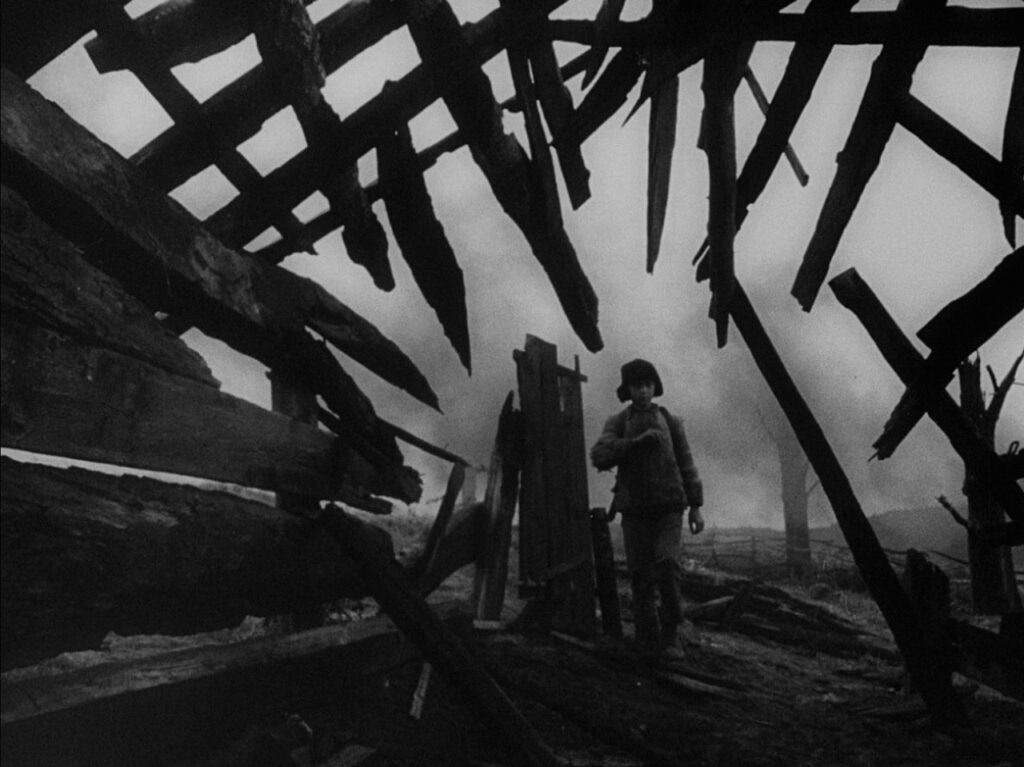
Ivan’s Childhood (1962)
‘Ivan’s Childhood’ (Mosfilm)
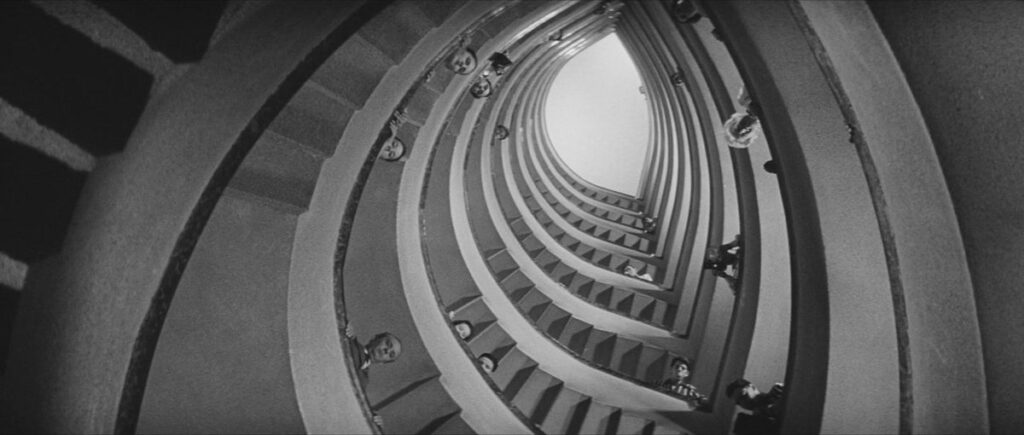
8 1/2 (1963)
‘8 1/2’ (Cineriz)
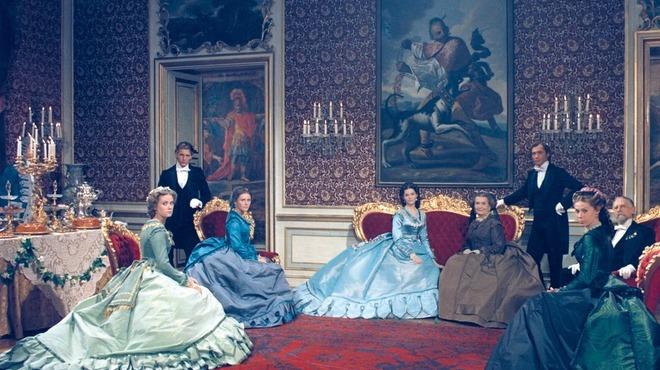
The Leopard (1963)
‘The Leopard’ (Titanus)
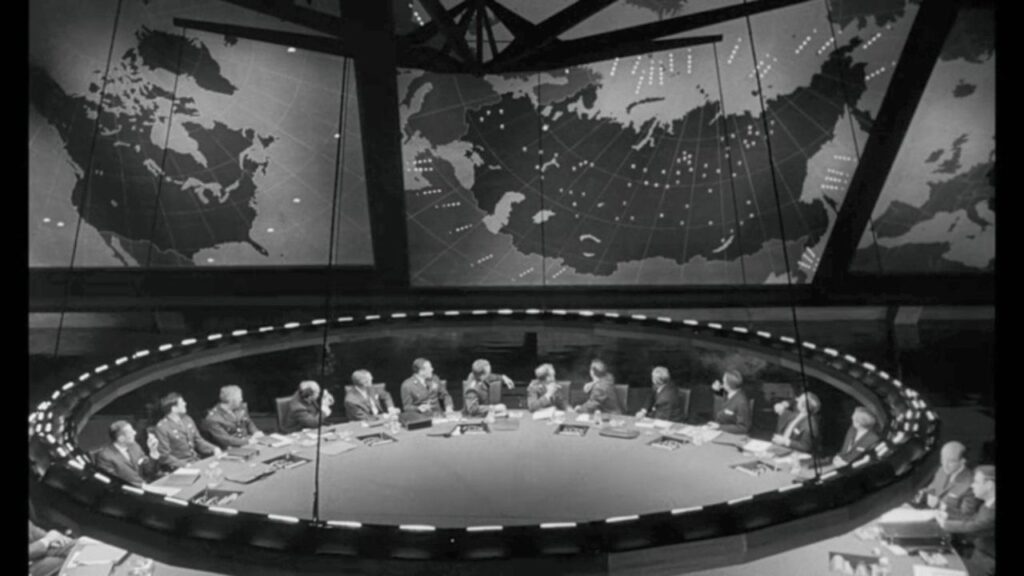
Dr. Strangelove Or: How I Learned to Stop Worrying and Love the Bomb (1964)
‘Dr. Strangelove Or: How I Learned to Stop Worrying and Love the Bomb’ (Columbia)
Kwaidan (1964)
‘Kwaidan’ (Toho)‘Kwaidan’ (Toho)
Soy Cuba (1964)
‘Soy Cuba’ (Mosfilm)
Doctor Zhivago (1965)
‘Doctor Zhivago’ (MGM)
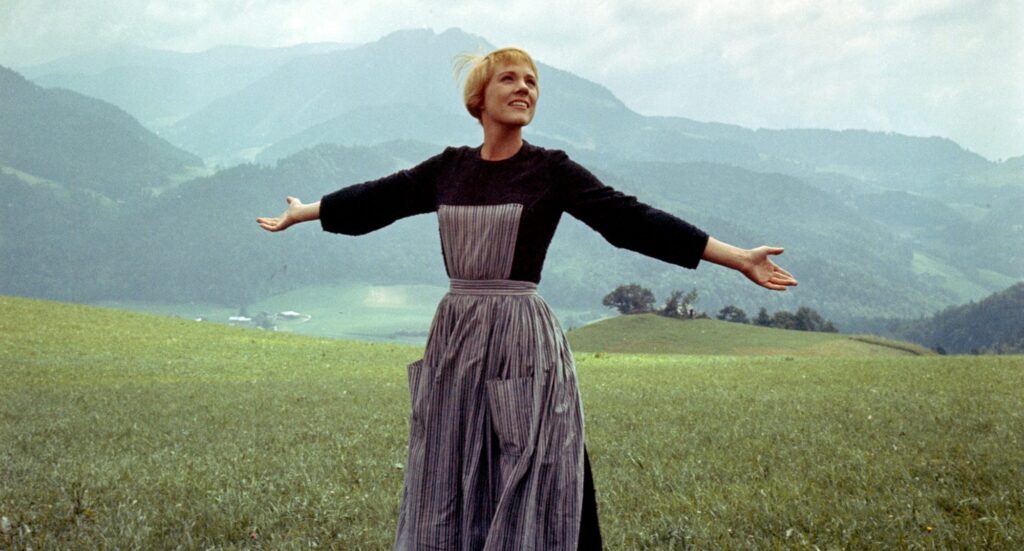
The Sound of Music (1965)
‘The Sound of Music’ (20th Century Fox)
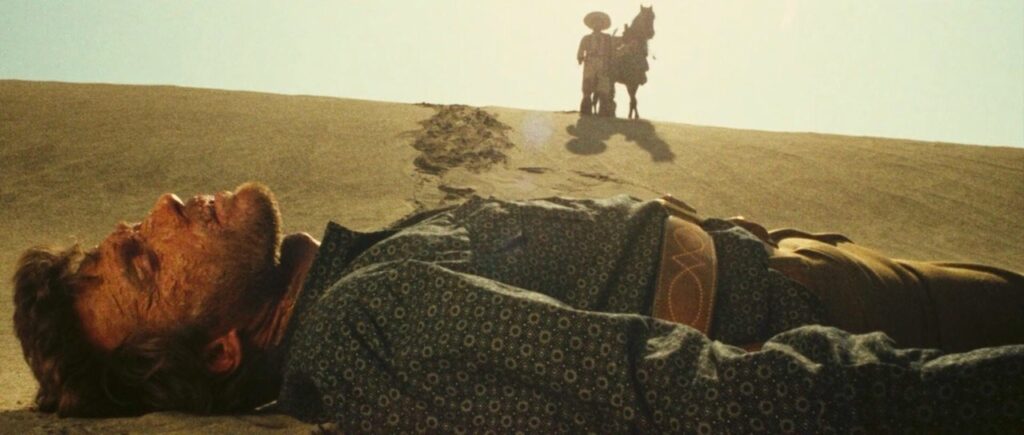
The Good, the Bad, and the Ugly (1966)
‘The Good, the Bad and the Ugly’ (PEA)
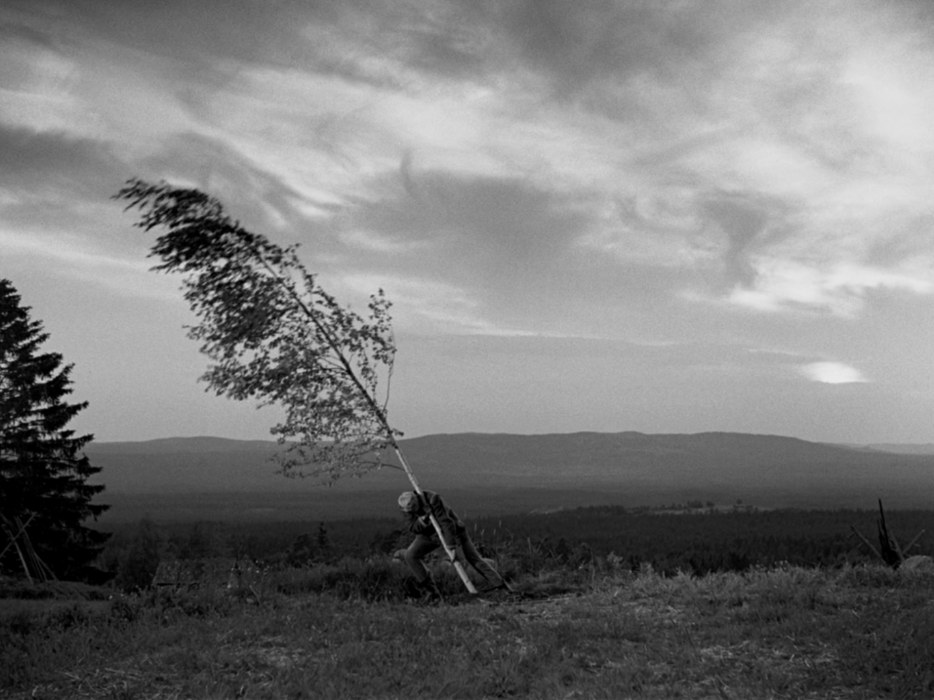
Persona (1966)
‘Persona’ (Svensk)
Cool Hand Luke (1967)
Marketa Lazarova (1967)
‘Marketa Lazarova’ (Barrandov)
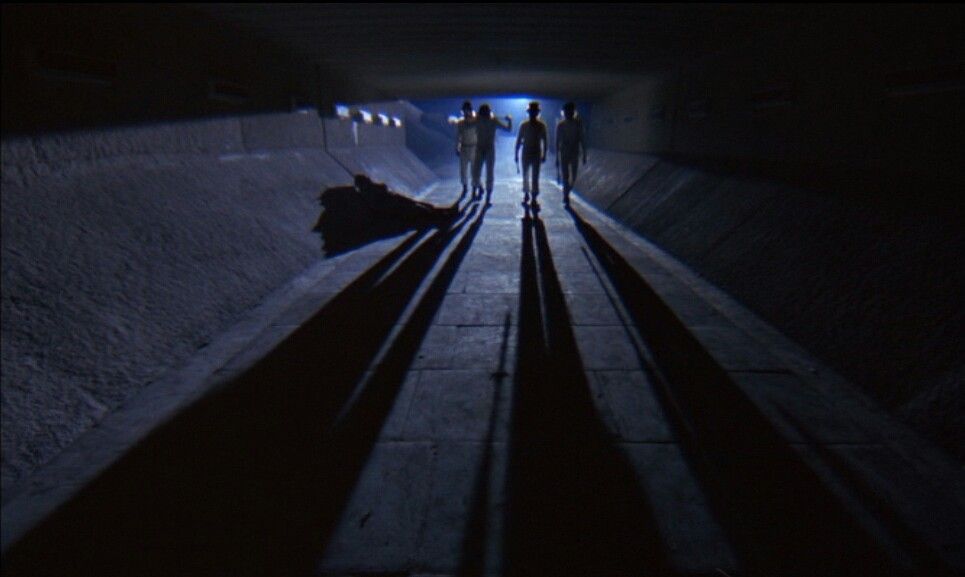
2001: A Space Odyssey (1968)
“2001: A Space Odyssey” (MGM)“2001: A Space Odyssey” (MGM)
A stat that I want to mention is that no Best Picture winner in at least the last 10 years has won the award without being at least nominated for a Picture award, Best Director, and Best Screenplay at the Golden Globes.
The only two films that received those nominations were The Power of the Dog and Belfast.
Another notable stat is that in the preferential era, only one Best Picture-winning film (Birdman which was made to look like it was filmed in one shot) was not nominated in Best Editing as well. Of The Power of the Dog and Belfast, only the former film has been nominated for Best Editing. What this tells me is that I am even more confident about having The Power of the Dog as my Best Picture winner.
Nominations snubs and surprises:
Drive My Car!!! It’s fantastic that we live in a world where a 3-hour Japanese film can get nominated for Best Picture (in addition to Best Director and Best Adapted Screenplay). Many were predicting it but it’s still great to see.
Tick, tick, BOOM! misses and Nightmare Alley makes it in. Though tick, tick, BOOM! had CCA and PGA, it apparently did not have the level of support that Nightmare Alley had. I think this inclusion shows how powerful of a campaigning machine Searchlight is. They almost always get at least one of their films in, even when they don’t seem like they have very much support. I don’t think any other distributor could’ve pushed Nightmare Alley into Best Picture.
BEST DIRECTOR
Denis Villeneuve’s snub here was pretty shocking and I’m still surprised as I thought someone like Branagh was more likely to miss for Hamaguchi. Well, Campion still has this win secured and I can easily see her sweeping all the major directing precursors on the way to the Oscars.
BEST ACTOR
What’s interesting to me is that Being the Ricardos received three acting nominations (Javier Bardem, Nicole Kidman, and J.K. Simmons) yet didn’t hit Original Screenplay and ended up not making Picture. I had a feeling that Sorkin wasn’t going to get a Screenplay nod since the writers branch historically aligns more with critics than other branches, but the fact that the film got the acting nods it did shows to me how much the Academy is infatuated with biopic performances and specifically, portrayals of Hollywood figures.
Anyways other than Bardem, the other four men (Cumberbatch, Smith, Garfield, and Washington) have been locked in for a while and all of them got in. My winner prediction at this point is Cumberbatch.
BEST ACTRESS
Lady Gaga missing and Penelope Cruz getting in were definitely big surprises. Gaga was the only actress to get nods from all of the major precursors and they still didn’t nominate her, showing to me that they really were not too keen on House of Gucci, which didn’t even get a Costume Design nomination (it only received a nod in Makeup & Hairstyling).
In other news, Kristen Stewart. who missed at both SAG and at BAFTA (which went 0 for 5 with the Oscar Best Actress field this year), got in at the Oscars and was the sole nomination for Spencer. Now that she has been nominated, she definitely has a chance to win though I still think Kidman has the best chance though Stewart or Colman are close behind.
BEST SUPPORTING ACTOR
Plemons’ inclusion here is indicative of the broad support The Power of the Dog has. For a chamber drama like The Power of the Dog to be the nomination leader (12) is really an achievement and it makes me even more confident about predicting it for the win. And it’s great to see Plemons finally receive an Oscar nomination after being in six Best Picture nominees in the last seven years. As I mentioned previously JK Simmons was a surprise inclusion here, and slightly less surprisingly, Bradley Cooper missed.
Cooper was in Licorice Pizza for less than ten minutes but was seen in the predictions of many. The fact that both Alana Haim and Cooper missed as well as Andy Jurgensen in Editing shows that Licorice Pizza is most definitely not a top-3 Best Picture contender and might even miss an Original Screenplay win (which would be maddening as Paul Thomas Anderson needs an Oscar ASAP).
BEST SUPPORTING ACTRESS
This was the first-announced award of the presentation and when I saw it, I knew we were in for a very interesting slate of nominees. Jessie Buckley and Judi Dench got in while Caitriona Balfe and Ruth Negga missed. Balfe’s omission is especially surprising as she, like Lady Gaga in Best Actress, hit all the major precursors and was included by many to be the best part of Belfast. To me, her exclusion is even more surprising than Gaga’s since her film is a top-tier Best Picture contender. Dench was instead this category’s representation for Branagh’s film and has now received eight nominations in twenty-four years.
Jessie Buckley’s inclusion was a welcome surprise and I think it really exemplifies the main theme of this year’s nominees as a whole. The Oscars are not going to lean in to calls to become more populist. With Buckley’s nod here, the three above-the-line nominations for Drive My Car, and the nomination for Penelope Cruz, among other inspired picks (including The Worst Person in the World’s inclusion over Being the Ricardos in Original Screenplay), the Academy seems to be defiantly ignoring requests to become more aligned with the tastes of the general population (such as the movement to try to get Spider-Man: No Way Home a Best Picture nomination). While this is probably good news for lovers of international and more daring cinema, the Oscars do run the risk of alienating people, though it seems that the Academy could not care less, and that mindset could show up in who they choose as their winners in March.
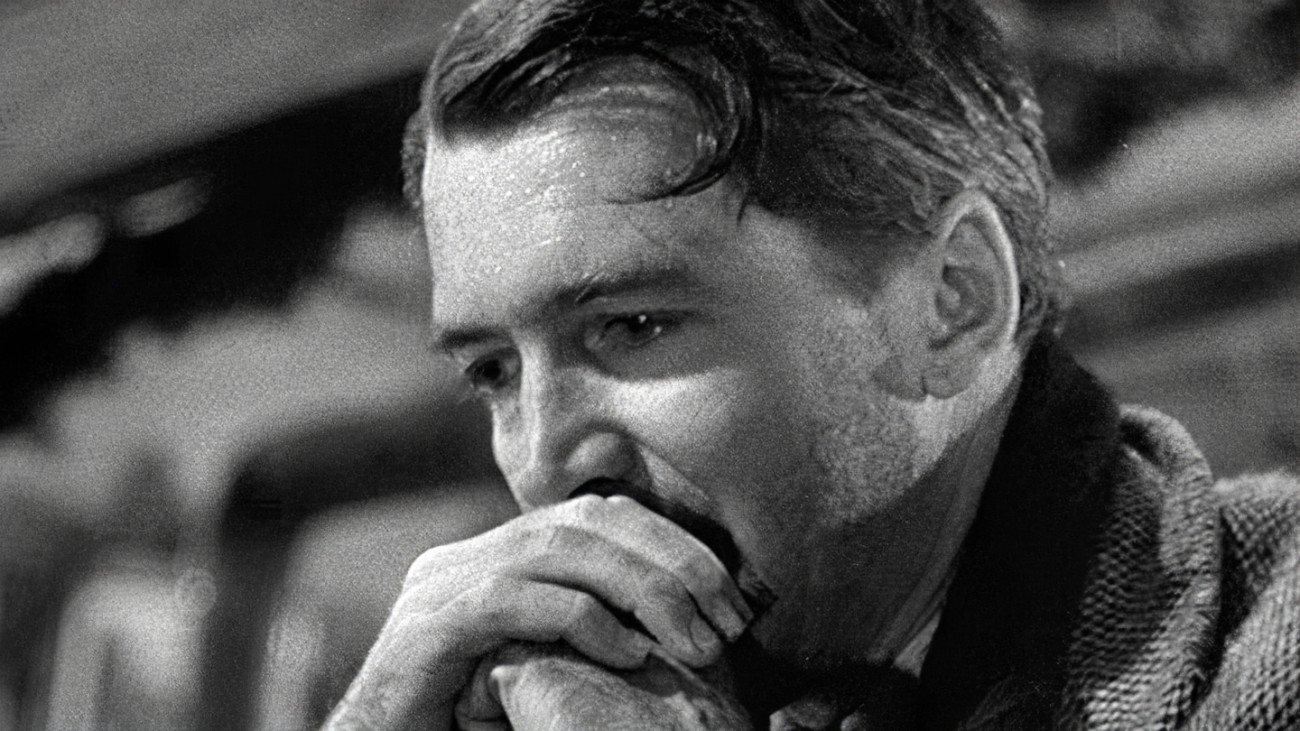
It’s the holiday season. Tis’ the time to spend with our families, watching movies to brighten our lives with joy and cheer. Frank Capra’s It’s a Wonderful Life has cemented its place as a popular pick during this time-honored tradition of Christmas-time movie watching. My family and many others watch the film every year on Christmas Day and as the film reaches its 75th anniversary, let’s take a look at what makes this film so special.
Uplifting. That’s a word that’s commonly associated with Capra’s film (and many more of his films). It was ranked at the top of AFI’s 100 Cheers List, making it their pick for the most inspiring film of all time. I agree. You won’t find a more life-affirming film but to uplift its audience as much as it does the film first has to also bring them down.
It’s a Wonderful Life is easily one of the saddest Christmas films ever made. It actually underperformed at the box office on release, which was likely due to it dealing heavily with the Great Depression and American hardship. It found its audience on television when it entered the public domain and became the Christmas staple that we know it as today.
The film introduces us to its protagonist George Bailey as a kid with dreams of traveling the world, whether it’s to Europe or Tahiti. As he grows into Jimmy Stewart, those dreams are still intact though not for long. For George Bailey, no good deed goes unpunished. On the day before his long-awaited trip to Europe, his father (Samuel S. Hinds) has a fatal stroke, and his colleagues at the Building and Loan want George to run his father’s business. George is forced to postpone his dream in order to save the Building and Loan, the one organization in Bedford Falls that truly provides for the community.
Then when George plans to go to college he is once again forced to stay in Bedford Falls as the Building and Loan will be liquidated by the cruel and greedy Mr. Potter (Lionel Barrymore) if George were to leave. In a fiery speech, George defends the Building and Loan as the only organization keeping the people of Bedford Falls out of “Potter’s slums”.
George gives the money he was saving up to go to college to his brother Harry (Todd Karns) with the idea that when Harry finishes up his education he’ll come back to Bedford Falls and take the Building and Loan off of George’s hands. However, of course, that plan doesn’t pan out. When Harry returns to Bedford Falls he’s married and his wife Ruth’s father has offered Harry a job in research with a lot of potential. George, again out of his essential goodness, won’t let Harry turn down such an opportunity and is again stuck in Bedford Falls.
This cycle of hope and disappointment seems to be a permanent one for George. When he, newly-married, plans to finally see the world outside of Bedford Falls with his wife Mary (Donna Reed) for their honeymoon, he is once again foiled as he uses the $2000 he and Mary had saved to deal with his customers’ panic during a bank crisis.
Still, Capra doesn’t just subject the audience to scene after scene of George’s crushed dreams, he gives his protagonist small moments of happiness along the way to keep the audience hopeful that there is a brighter future ahead. The honeymoon scene with Mary in the old Granville house and the Building and Loan employees’ celebration after they keep the business alive during the bank crisis are just two examples of these moments of pure joy.
As George’s dreams move further and further away from becoming a reality, the lives of his friends and family are looking bright. His brother Harry wins the Congressional Medal of Honor due to his heroic actions as a pilot in World War II and his friend Sam Wainwright (Frank Albertson) struck it rich in the plastics business. Both of these were successes that George could’ve had if it wasn’t for his ear (George became deaf in one ear from saving Harry from drowning in a freezing lake) or his relationship with Mary (which he chose over investing in the plastics business with Sam).
From one perspective, it could seem like George is the unluckiest man alive and that’s the perspective that George starts to adopt as he gets close to the brink of suicide. To save him, George’s guardian angel Clarence (Henry Travers) comes down to Earth to show George how life would be in Bedford Falls if George didn’t exist. And in this world, Bedford Falls has become Potterville, a seedy town full of crime and nastiness. Of course, we as the audience already could see the impact that George had on his community. His kindness benefitted almost everybody that came into contact with him and as George’s guardian angel Clarence writes in a copy of the Adventures of Tom Sawyer: “no man is a failure who has friends”.
‘It’s a Wonderful Life’ (RKO Radio)
That’s the balance the film nails. Contrasting the unfortunate circumstances of George’s existence with the joys of life. Capra is not afraid to dig deep into George’s feelings of desperation and hopelessness. Jimmy Stewart really shines in these scenes as well and it’s hard to watch this dreamer so dejected. But because Capra and Stewart allow the audience to feel George’s desperation so powerfully by letting us walk with George every step of the way, we feel the final scene of pure unadulterated joy so impactfully. It’s a scene that truly can be called life-affirming but that’s only because we’ve been given a portrait of a real life, with both the good and the bad, the joy and the sorrow. Without the darkness that the filmmakers bring us to, the light wouldn’t be as bright and the film wouldn’t be the timeless masterpiece that it undoubtedly is.
With the news on Tuesday that the Spanish Film Academy has picked the Javier Bardem-led comedy “The Good Boss” instead of Oscar-winner Pedro Almodovar’s “Parallel Mothers” as its submission for the Best International Feature Oscar, the need for the Academy to reform its system for this category is very apparent.
If you are unaware about the Academy’s current rules for this category, here are three important points:
Each country can only submit one film. Meaning that each year, a country’s representative film academy has to choose which film they want to represent them at this year’s Oscars.
The film has to be non-American and must be mostly in a language other than English. While prior to the 2006 Academy Awards, a foreign country had to submit a film that was in one of their official languages, that rule is (thankfully) no longer in place and Canada submitted the Hindi-language film Water at the 2007 Oscars as a result of this shift in policy. As a result of the films having to be non-American, films that were primarily in a non-English language like Apocalypto and last year’s Minari were ineligible from competing in this category since they were both American-produced features.
The director accepts the award on behalf of their producing country’s film academy. The filmmakers themselves do not receive Oscars, their countries do.
The idea that a country can only submit one film for this category is ludicrous as it defeats the point of having this category. This rule is archaic and needs to be amended. In an era like the 1950s where the cinema of countries like France and Italy dominated the American cinephile’s perception of what international cinema was, it makes some sense that each country could only submit one film as the Academy members of the time likely had a limited knowledge and appreciation of cinema outside of the canon of the Western world. Of the 32 International Feature awards given from the late 40s through the 70s, only five were given to non-European countries (three were for Japan, likely due to the fact that the United States was highly involved in the politics of Japan at the time after World War II and thus the Americans had an especially strong access to Japanese art. The two other films were in French and directed by men who worked in France but produced by African countries specifically the Ivory Coast and Algeria.) But in an era where 5 of the last 10 winners in this category were from non-European countries (and when a Korean film can win Best Picture), this system has become obsolete. The fact that only one film can be submitted for each country is quite mind-boggling in today’s world where the Academy has a diverse array of members and access to the art of other countries has been amplified extensively.
A country’s film Academy shouldn’t have to submit films at all and the wealth of choices that international cinema has to offer should not be restricted by the politics of a small closed off voting body. There has been speculation that Spain did not submit Parallel Mothers (whose director and lead actress are Oscar winners) as the film is critical of the Spanish government. While this may not be the reason why the Spanish Film Academy did not choose Almodovar’s film, this situation wouldn’t be an outlier. Take filmmaker Jafar Panahi, one of the most celebrated Middle Eastern filmmakers of the 21st century. None of his films have ever been selected by the Iranian Film Academy as Panahi is a vocal critic of the Iranian government and that is apparent in his work. In 2010, Panahi was arrested and placed under house arrest “for propaganda against the Islamic republic” as he was attempting to make a documentary about the 2009 election of Mahmoud Ahmedinejad which he believed to be fraudulent. He was subsequently banned from making films for 20 years. Panahi’s case is just a symptom of a larger problem. Oppressive countries around the world often suppress art that doesn’t conform to their leaders’ values and beliefs and the Academy is essentially supporting this suppression by creating a system that keeps Academy members from choosing fantastic cinema that may challenge the values of their home country. If the Oscars truly want to reflect the best of film today, they should not restrict International film to a small pool of cinema. With this system, the Academy will actually be able to award the best of International cinema (of course the bias of the Academy towards certain types of films will always be a factor but with the greater diversification of Academy membership, let’s hope that issue becomes less and less prevalent) without the whims of each country’s respective film academies getting in the way.
The other problem with this category is that ridiculously the award is not given to the directors and/or producers of the films but instead to the films’ country. Federico Fellini one of the most celebrated filmmakers to walk the earth has 0 competitive Oscars to his name even though four of his films won in this category. While the directors do accept the award at the ceremony they are actually accepting it on behalf of the country that submitted their film. Ingmar Bergman would have 3 Oscars and Vittorio De Sica would have four (if Special Awards are taken into account) if filmmakers were given their due like they are at other prestigious awards, such as the BAFTAs. Essentially, some of the best directors who have ever lived never received Oscars due to a rule that doesn’t need to have been in place (why couldn’t the Oscar be awarded to both the country and the filmmaker?)
Every year, the Academy seems to tease some sort of major change (like the addition of a Best Popular Film category a few years ago) but this is an advance the Academy actually needs to act upon if we want to get international film and filmmakers to be treated fairly by the Academy. Of course the fact that the Oscars, awards that are supposed to honor the best of cinema no matter where it comes from, have to have an International Feature award in the first place is an inherently faulty notion but the time when the Academy moves away from being so aggressively American-centric is far down the line. But before that time (which will sadly probably never come to fruition) arrives, it wouldn’t be asking for too much for the Academy to amend what is easily its most controversial category.